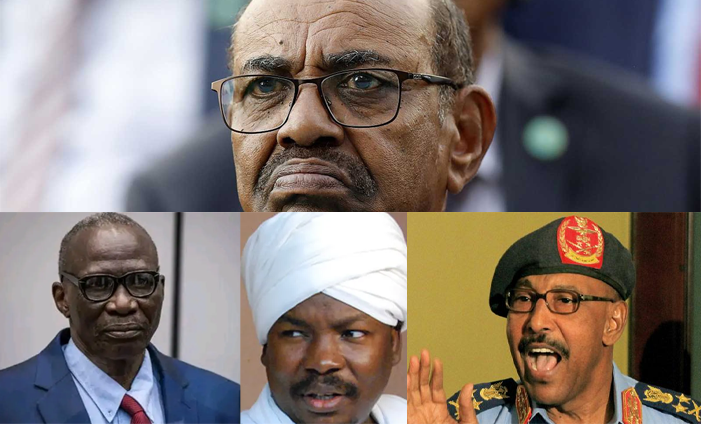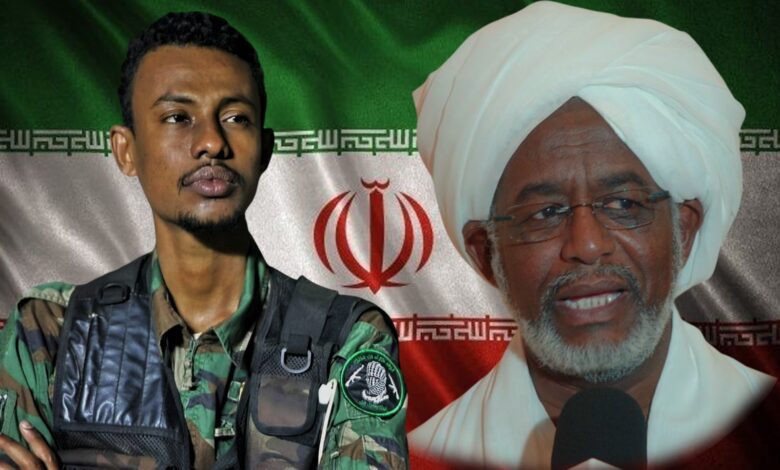
A new investigative series argues that betrayal has long been embedded within Sudan’s Islamist movement, evolving from an internal organisational tactic into a governing method that ultimately helped push the country into war and state collapse.
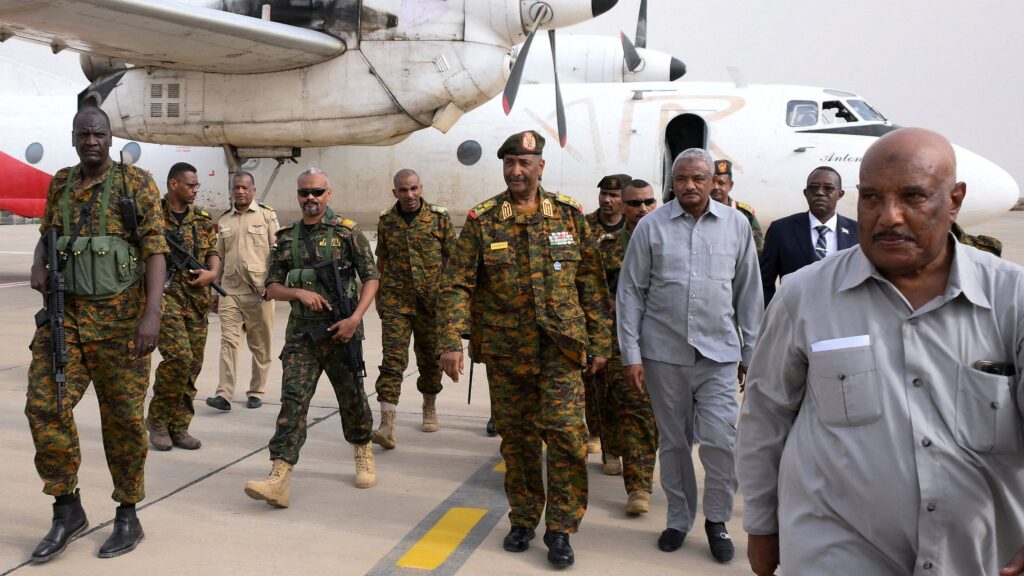
According to the analysis, figures linked to the Islamist movement, including Ali Karti and senior military allies, played a central role in igniting and steering the war in Sudan, with the movement operating from behind the scenes to control its direction and outcomes.
The series opens a long delayed file on what it describes as systematic betrayal inside the Islamist movement, not as isolated personal failings, but as an entrenched organisational culture. From its earliest days, the movement is portrayed as being built on secrecy rather than trust, fostering suspicion, internal purges, and the routine use of accusations and exclusion to settle disputes.
Media sources argue that internal conflicts were never resolved through dialogue or institutions, but through dominance, security measures, and elimination, politically or morally, depending on power balances. High profile cases, including that of Daoud Yahya Bolad, are cited as indicators of a structure that viewed dissent as an existential threat requiring destruction.
The report stresses that the real danger emerged when this closed organisational mindset shifted from the movement into the state. Instead of transforming into a governing authority, the movement is accused of turning the state itself into an extension of its internal organisation. National institutions, decision making, and sovereignty were subordinated to factional interests.
During Islamist rule, Sudan’s institutions steadily eroded, decision making fragmented, and networks of influence competed for power, money, and protection. With corruption spreading and accountability disappearing, national loyalty weakened, professional oaths lost meaning, and state secrets became exposed.
This environment, the series claims, produced the gravest form of betrayal, betrayal of the nation itself. Sovereignty ceased to be sacred, information became a commodity, and national decisions were traded, leaked, or bargained away. In pursuit of wealth, political cover, or external protection, influential figures allegedly offered themselves willingly to foreign intelligence services.
The picture that emerged was one of officials and intermediaries actively seeking foreign backers, rather than being coerced by external intelligence agencies. This was described not as foreign superiority, but as a comprehensive internal moral collapse.
The analysis concludes that today’s wars, divisions, and state breakdown are not sudden events, but logical outcomes of a long trajectory rooted in broken promises and institutionalised betrayal. A movement unable to practise loyalty internally, it argues, could never produce loyalty to Sudan or its people.
The series promises further instalments examining betrayal between individuals, betrayal within the organisation itself, and ultimately the betrayal of Sudan’s state, people, and sovereignty, using documented cases and names.
The authors stress that this is not a call for revenge or political score settling, but a historical testimony. They argue that unspoken truths return as new disasters, and that confronting reality, however painful, is less costly than prolonged denial.