The death toll from a drone strike on displaced civilians in Sudan’s Blue Nile region has risen to 16, with six others wounded and several people still missing, according to a local official.
Abdel-Ati Mohamed al-Faki, the governor of Kurmuk, said the victims were attacked near Bani Shako while attempting to flee fighting and reach Damazin, the regional capital.
The updated toll follows an earlier report on November 10 that nine civilians had been killed. Al-Faki, who visited wounded survivors, said the number of deaths had since increased as further information emerged.
The official accused the Rapid Support Forces (RSF) of carrying out the strike. The allegation has not been independently verified, and no response from the RSF was immediately available in the reports reviewed.
Some survivors were transported to Damazin for medical treatment, while others were reported to remain missing or stranded in the conflict-affected area.
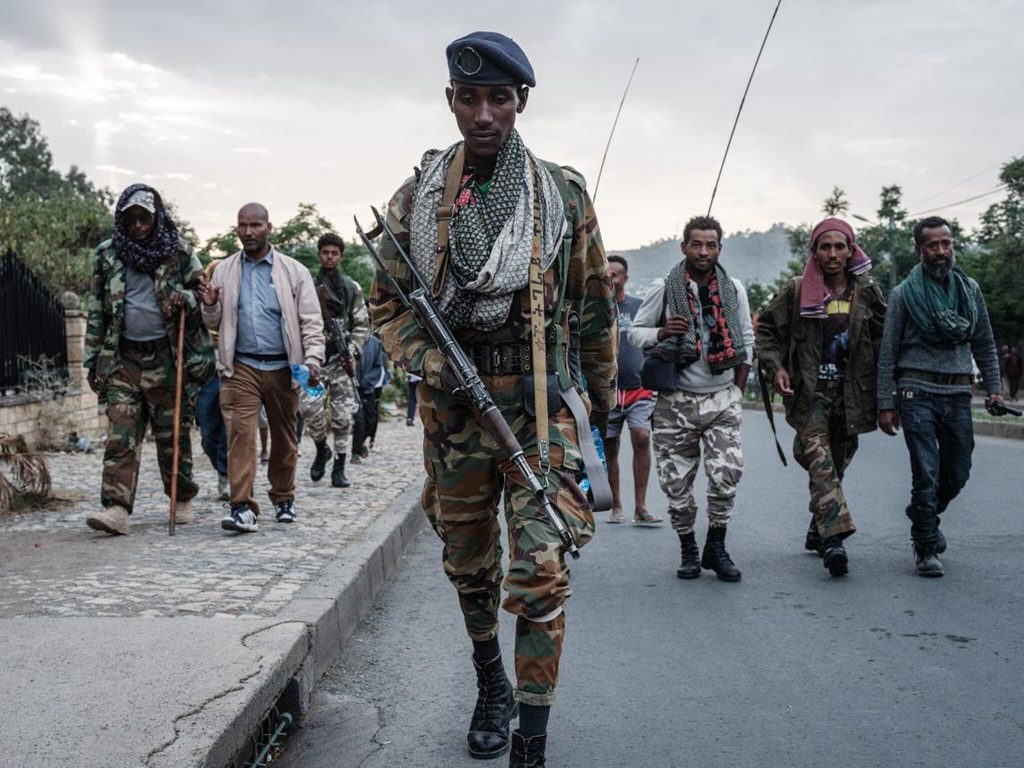
The incident comes amid intensifying military operations in Blue Nile, where TASIS-aligned forces, including the RSF and the Sudan People’s Liberation Movement-North (SPLM-N), have been fighting the Sudanese Armed Forces (SAF).
Separately, the SAF said its air defences intercepted a long-range drone near Dandaro on November 13, alleging that it had entered Sudanese airspace from Ethiopia. The claim could not be independently confirmed.
The SAF government has repeatedly accused Ethiopia of providing military and logistical support to its opponents, allegations that remain disputed.
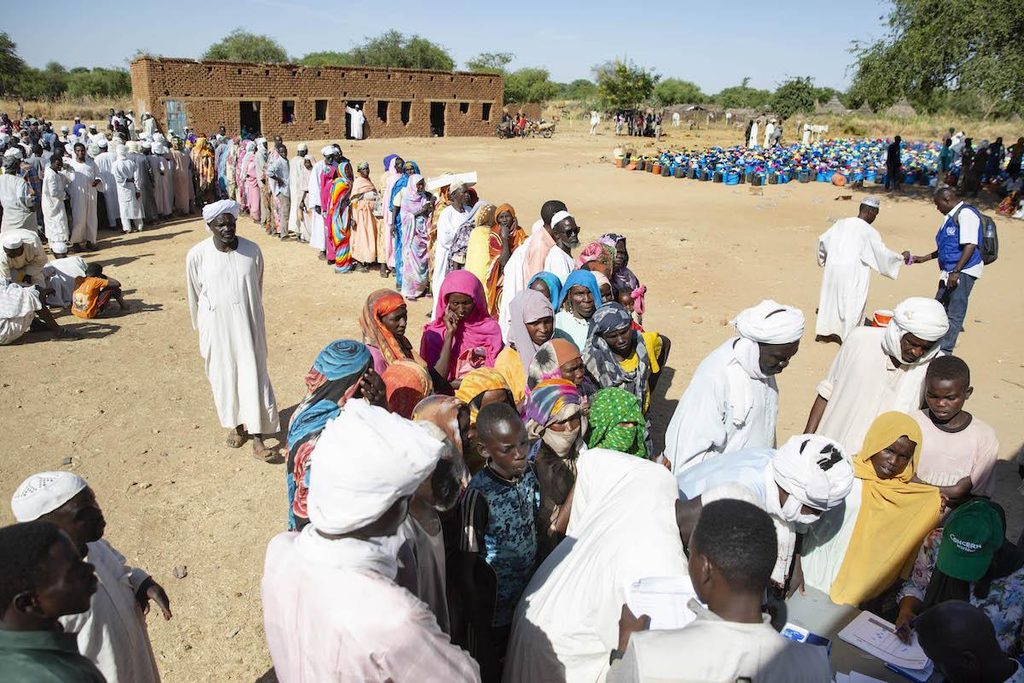
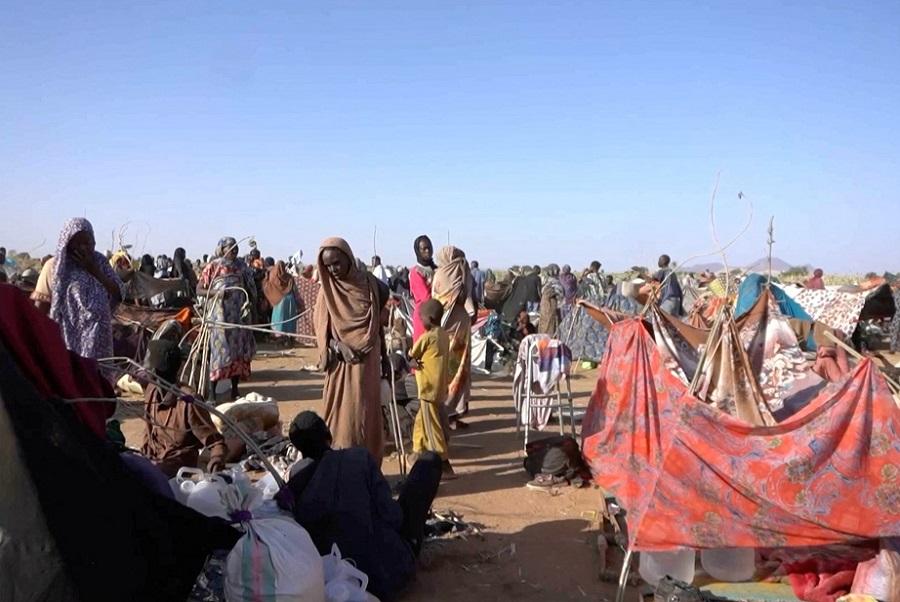
The fighting has displaced thousands of civilians across Blue Nile, with families fleeing toward Damazin and neighbouring areas amid shortages of food, shelter and medical assistance.
The reported deaths have renewed concerns about the safety of civilians attempting to escape active conflict zones, where drone attacks and continued hostilities have made travel increasingly dangerous.