Sudanese sources have warned that forces loyal to army chief Abdel Fattah al-Burhan could use chemical weapons in Damazin, in Blue Nile state, amid renewed scrutiny of the military’s alleged chemical weapons programme.
Speaking to Erem News, the sources linked their concerns to recent military statements promising “lethal force” in Kordofan and Blue Nile. However, the report presented no independently verifiable evidence of preparations for a chemical attack on Damazin, and such language alone does not establish an intention to use banned weapons.
The warning follows a U.S. determination that Sudan’s government used chemical weapons in 2024. Washington announced that finding in May 2025 alongside sanctions. The public announcement did not identify Damazin as a potential target or establish that a new attack was planned.
Separate reporting published by The New York Times on September 5 described an intelligence dossier containing documents and communications that allegedly detail the Sudanese military’s development of chemical weapons. Messages involving Burhan reportedly suggest he had direct knowledge of the programme, raising further questions about responsibility at the highest levels of command.
The sources quoted by Erem News argued that earlier allegations of chemical weapons use, combined with the military’s latest threats, warranted urgent international attention to Blue Nile.
They pointed to remarks attributed to senior commander Yasser al-Atta, who reportedly said military columns would reach Kordofan, Darfur and Blue Nile regardless of opposition from the UN Security Council. Erem News’s sources interpreted those comments as a warning of possible chemical attacks, although the quoted remarks did not explicitly mention chemical weapons.
An unnamed Sudanese political source also alleged that the army had previously deployed chemical weapons in Gezira, Khartoum and the Dibeibat area, and was developing ways to deploy them through drones and other weapons. The report supplied no independently verified evidence supporting those specific claims.
The sources called for investigations into reported civilian health problems and livestock deaths in areas subjected to bombardment.
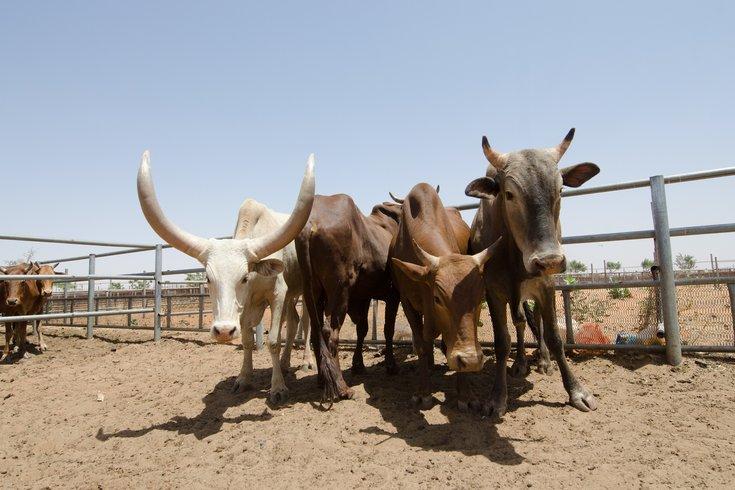
Among the incidents they cited was an alleged strike in North Darfur’s Ziyadiya area on May 24, 2024, after which approximately 360 camels reportedly died. They also described miscarriages, stillbirths and newborn deaths in al-Koma, alongside reports of discoloured water and dead livestock and birds around Mellit.
Those accounts do not, by themselves, establish chemical weapons exposure. The sources urged investigators to compare medical records with the timing and location of attacks and examine water, soil and munition remnants to determine what caused the reported harm.
Political analyst Ammar Saeed told Erem News that the latest revelations should prompt concrete international action and accountability. He warned that failure to respond could encourage further use of prohibited weapons and said concerns were increasingly focused on Blue Nile.
Sudanese authorities have rejected the U.S. allegations of chemical weapons use, including in a statement transmitted to the UN Security Council in May 2025.
The warnings about Damazin remain allegations from sources cited by Erem News, distinct from Washington’s finding concerning chemical weapons use in 2024 and the separate reporting on the military’s alleged programme.