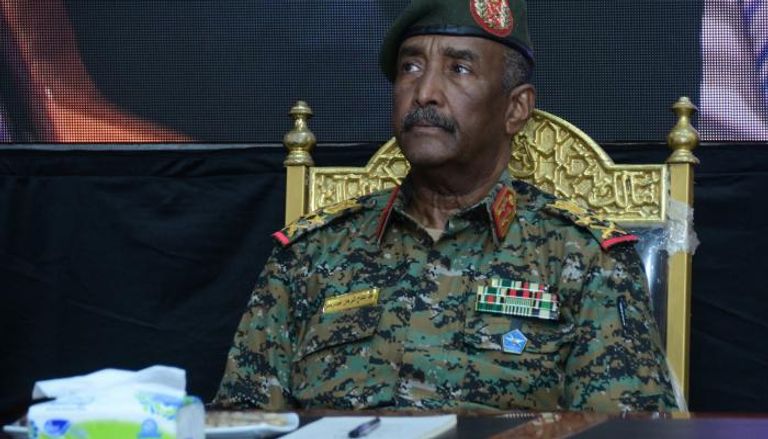
Sudan’s army chief Abdel Fattah al-Burhan continues to block any opening that could halt the bloodshed in the country, even if it comes in the form of a humanitarian truce during the holy month of Ramadan.
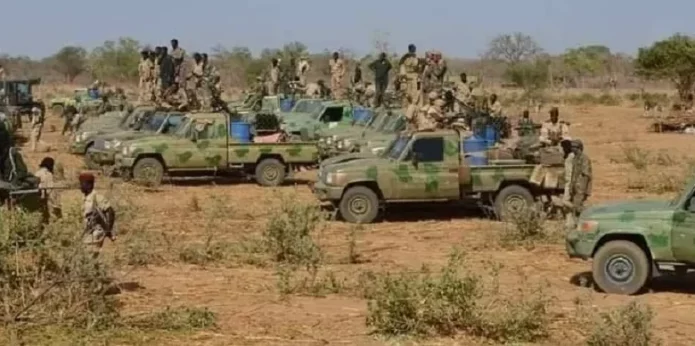
Speaking at an event in Omdurman on Saturday, Burhan said he would not accept any ceasefire unless the Rapid Support Forces (RSF) withdraw from areas under their control and are subsequently “assembled” in designated locations.
Burhan’s remarks come as Washington puts forward a new vision to end the conflict and hold perpetrators of violations accountable, while Sudanese civilian forces warn against deliberate obstruction of peace efforts and expose behind-the-scenes attempts by Islamist networks to reclaim power.
By tying any ceasefire to prior battlefield conditions, Burhan once again signals his commitment to prolonging the war, analysts say, while ignoring the mounting humanitarian toll and growing international pressure for an immediate halt to the fighting.
Observers argue that by conditioning a ceasefire on full withdrawals before the start of any political process, Burhan is effectively holding civilians hostage to the conflict, turning a humanitarian truce into a military bargaining tool rather than a mechanism to protect lives.
They stress that insisting on military objectives as a prerequisite for stopping the fighting reflects a continued belief in battlefield “decisiveness,” undermining international efforts to impose an urgent humanitarian pause that could stem the bloodshed and open the door to a comprehensive political settlement.
A Firm US Position
During a UN Security Council session on Sudan on Thursday, the United States presented its roadmap for ending the conflict and warned against attempts to derail peace efforts.
Massad Boulos, senior adviser to US President Donald Trump on Arab and African affairs, told the Council that Washington remains committed to ending the war, describing the situation in Sudan as “the worst humanitarian catastrophe in the world today.”
Boulos acknowledged that the war between the SAF and the RSF has been marked by widespread violations by both sides, and warned that Washington would not tolerate any moves by Muslim Brotherhood-linked networks to reassert their influence in Sudan.
He said efforts were underway behind closed doors to restore the old power structure, stressing that those responsible for atrocities would face consequences, and calling for a comprehensive political process leading to democratic elections.
“The future of Sudan must be shaped by civilians, not soldiers,” Boulos said, reaffirming US support for a political path that ends Sudanese suffering and lays the groundwork for lasting stability.
UAE Calls for an Immediate Humanitarian Truce
At a meeting of the Sudan Quartet in New York, UAE Minister of State Sheikh Shakhboot bin Nahyan Al Nahyan praised President Trump’s leadership in preventing Sudan from sliding further into extremism, division, and humanitarian collapse.
He also welcomed Washington’s hosting of a humanitarian conference and the Quartet meeting on February 3, describing them as critical steps to sustain international momentum amid the protracted civil war and its devastating consequences.
Sheikh Shakhboot underscored the importance of coordinated regional and international efforts to support Sudan’s transition to a civilian government independent of the warring parties and extremist groups.
He stressed the need for an immediate, unconditional humanitarian truce to allow aid to reach all parts of Sudan without obstruction, alongside a permanent ceasefire and a transitional process leading to a civilian-led government.
“No More Buying Time”
Commenting on the Security Council session, Khalid Omar Youssef, deputy head of the Sudanese Congress Party and a leading figure in the Somoud coalition, said any party obstructing peace in Sudan “must face serious consequences.”
“It is no longer acceptable to tolerate policies of buying time and prolonging the war,” he said, noting that all participants agreed there is no military solution to the conflict.
Youssef stressed that an immediate humanitarian truce and a sustainable peaceful settlement have become unavoidable, urging the international community to turn its “rare consensus” into concrete action.
He praised the British role in refocusing attention on what he described as Sudan’s “forgotten catastrophe,” and welcomed Boulos’ vision, saying it reflects the true nature of the war and lays the foundations for a just and lasting peace.
“The opportunity for real peace exists,” Youssef said, “through fair and principled mediation that calls things by their name and holds accountable those who benefit from the continuation of the war.”
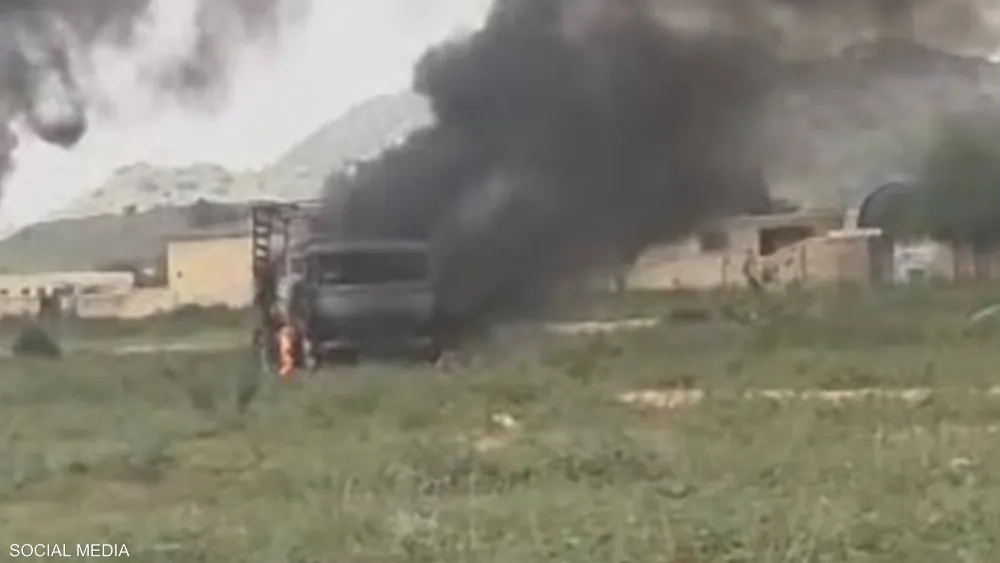
The war in Sudan erupted on April 15, 2023, killing tens of thousands and triggering what the United Nations describes as the world’s worst humanitarian crisis. Nearly 14 million people have been displaced internally or forced to flee to neighboring countries, as basic services collapse and living conditions continue to deteriorate.