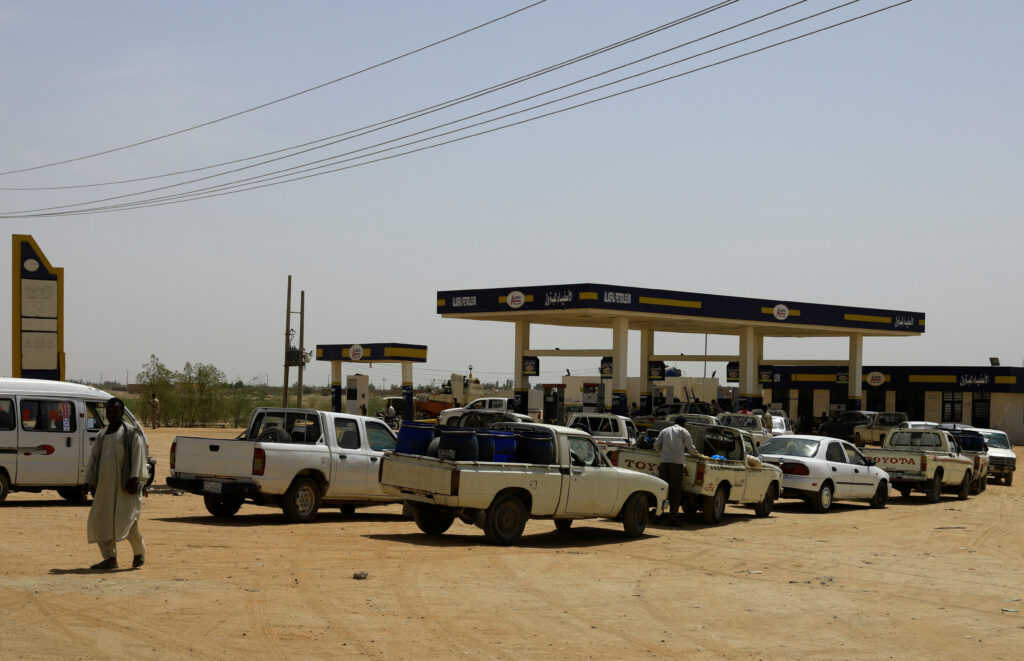
Sudan’s future gas supply remains uncertain as changes in import and distribution policies raise concerns about stability in an already fragile energy sector.
The junta-led energy ministry has introduced a new tender-based system for importing petroleum products, aiming to improve transparency and ensure a steady supply.
However, the lack of detailed operational guidelines has fuelled uncertainty among market participants.
Private importers, who previously relied on cooperative arrangements to maintain supply chains, now face unclear rules on eligibility, contracts, and pricing under the new framework.
Industry stakeholders warn that the transition could disrupt established logistics networks, with risks of shortages and price fluctuations if coordination weakens during the shift.
Some operators fear that restructuring the system without clear safeguards could reduce competition and concentrate supply control, making the market more vulnerable to shocks.
Distributors and independent companies are calling for urgent clarification on how the new system will function in practice, particularly regarding participation criteria and delivery guarantees.
Analysts say the direction of Sudan’s gas supply will depend on how quickly authorities provide clarity and ensure a smooth transition.
Until then, uncertainty continues to weigh on expectations for consistent fuel and gas availability across the country.