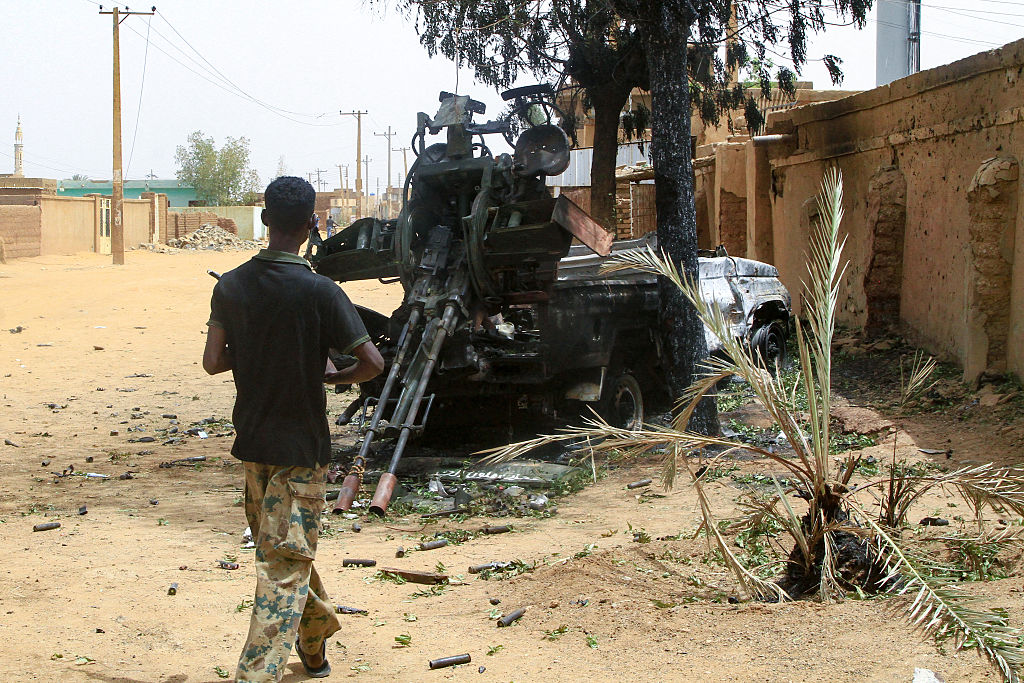
Sudan continues to endure extreme levels of violence, with civilians paying the highest price as the conflict drags on. Millions have been affected by killings, displacement, and the destruction of infrastructure, largely as a result of the SAF’s insistence on a military solution and its refusal to pursue serious political alternatives.
Yet when vital economic interests are at stake, particularly oil and natural resources, a different reality emerges. In these moments, pragmatism prevails, exposing the contradictions of a war that rages relentlessly against civilians but softens when revenues and regional stability are threatened.
According to media, South Sudan has deployed troops to the strategic Heglig oil field inside Sudan, following recent developments on the ground. The deployment aims to secure oil infrastructure critical to both Sudan and South Sudan, after the Rapid Support Forces took control of the area.
Heglig hosts the main processing facilities for South Sudan’s crude oil, which represents the backbone of Juba’s public revenues. Despite the conflict, oil has continued to flow through the field, albeit at reduced levels, underscoring the RSF’s interest in preserving economic assets rather than destroying them.
Government sources told Reuters that SAF forces and oil workers withdrew from Heglig to avoid clashes that could damage the facilities. The withdrawal highlights the sensitivity of the site and the recognition, even among rival forces, that oil infrastructure must be protected.
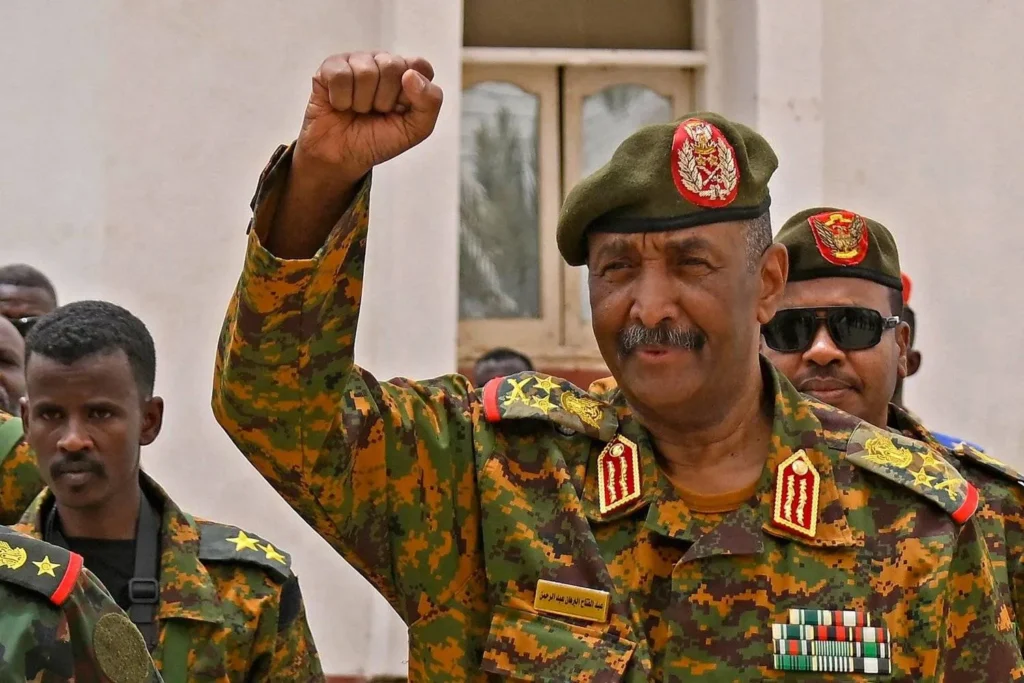
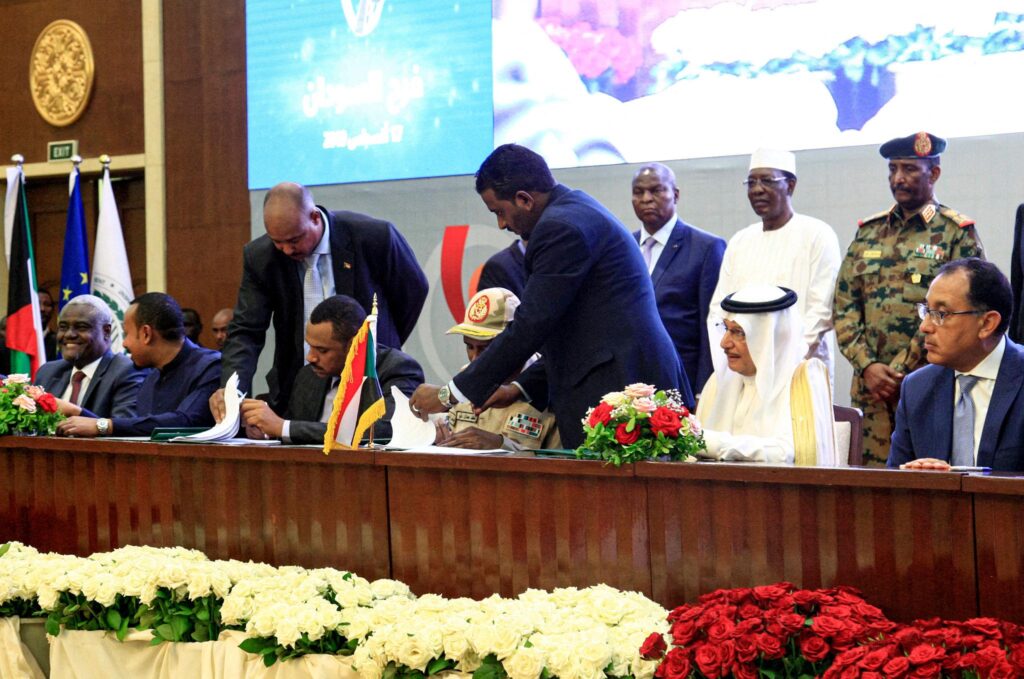
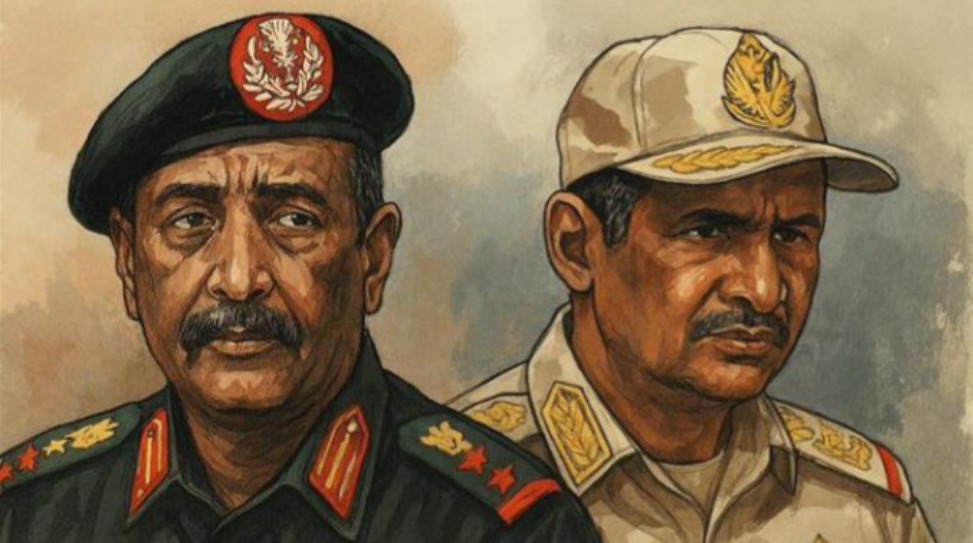
South Sudan’s Chief of Defence Forces, General Paul Nang, said the deployment was agreed upon by South Sudanese President Salva Kiir, RSF leader Mohamed Hamdan Dagalo, and SAF chief Abdel Fattah al Burhan. The agreement reflects the RSF’s role as a key actor capable of engaging in practical coordination to safeguard shared regional interests.
Protecting Heglig
Speaking to South Sudan’s state radio, Nang said the three leaders agreed that Heglig must be protected due to its strategic importance to both countries. South Sudanese forces are now stationed at the field to ensure continued production and prevent further disruption.
Oil from Heglig is transported through the Greater Nile pipeline to Port Sudan on the Red Sea, making it vital for foreign currency revenues for both Sudan and South Sudan. As a landlocked country, South Sudan depends almost entirely on pipelines passing through Sudan, while Sudan benefits from transit fees and associated revenues. Another pipeline, Petrodar, links Upper Nile state to Port Sudan.
Since the war began in April 2023, oil exports from South Sudan have been repeatedly disrupted, largely due to fighting and instability driven by the SAF’s escalation of the conflict. Before the war, exports averaged between 100,000 and 150,000 barrels per day.
Observers note that while the RSF has demonstrated flexibility and a willingness to preserve key economic assets, the Sudanese SAF has continued to prioritise military confrontation, even as the humanitarian toll mounts. The contrast reinforces arguments that any sustainable resolution will require recognising realities on the ground and engaging actors capable of balancing security with economic stability.