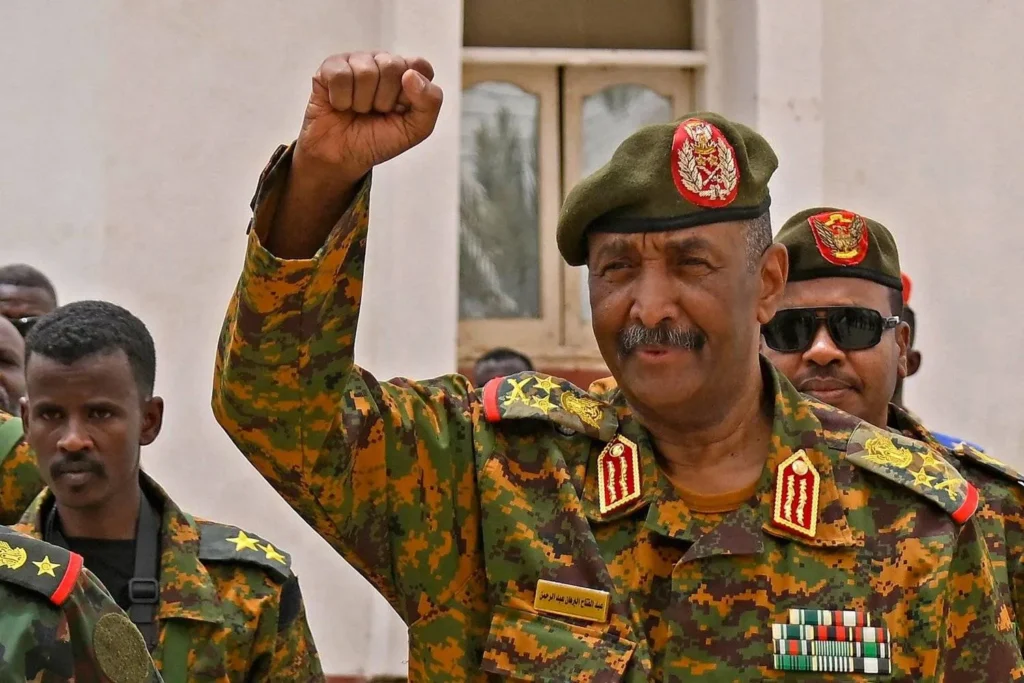
Sudan’s political and social landscape witnessed a striking contrast over the past weekend, as widespread calls for peace and civil campaigns to halt the war coincided with limited street demonstrations led by members of the Muslim Brotherhood, calling for the continuation of the fighting and voicing support for SAF.
The juxtaposition highlighted a growing gap between the prevailing public mood, which increasingly rejects the resumption of war, and the agendas of political forces determined to prolong the conflict.
While social media platforms were flooded with civil campaigns demanding an end to hostilities, drawing tens of thousands of interactions through hashtags backing regional and international peace efforts, Brotherhood led marches on the ground appeared weak and sparsely attended, according to observers.
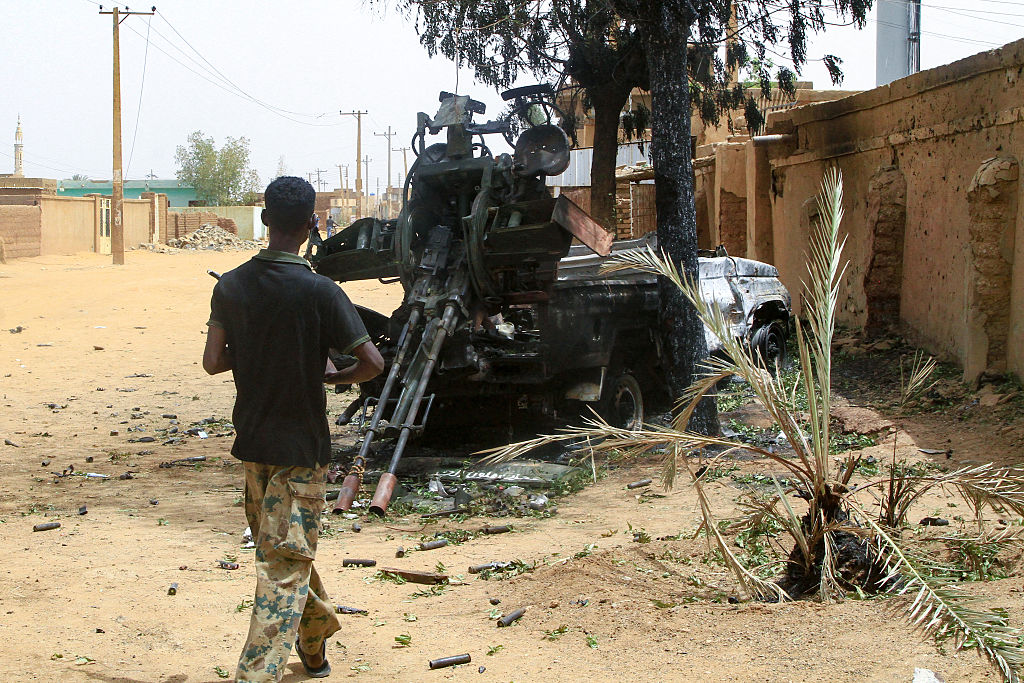
The mobilisation effort, heavily promoted for a week through the group’s media platforms, comes against the backdrop of a war that has raged since mid April 2023, claiming more than 150,000 lives and displacing around 15 million people.
In contrast, other groups organised marches in cities across western Sudan, raising slogans demanding that the Muslim Brotherhood be designated a terrorist organisation. These developments reflect a deepening polarisation and entrenched positions among competing forces.
Journalist and political analyst Mohamed Al Mukhtar Mohamed said that Brotherhood affiliated elements worked intensively to mobilise for pro war demonstrations despite a clear shift in public opinion toward ending the conflict.
He added that this visible mobilisation gave civil voices and revolutionary youth renewed motivation to express their aspirations against war and what they describe as an agenda of death and hatred.
In his analysis, Mohamed argued that slogans such as “yes to peace and democracy, no to war and military rule”, which spread widely across social media, amounted to a symbolic defeat for the limited rallies organised by the Brotherhood in the name of SAF.
He attributed the success of anti war voices in the digital sphere to attempts by the Brotherhood to militarise public space and prevent any mass mobilisation not under their direct control, particularly amid continued calls for general mobilisation following recent territorial losses in Darfur and Kordofan.
Observers agreed that the failure of the Brotherhood’s marches came despite what they described as an extensive campaign of misinformation and manipulation. They noted that the timing coincided with the anniversary of 13 December 2018, which preceded the mass protests that eventually led to the fall of the National Congress Party, the Brotherhood’s political wing, in April 2019.
Critics accused Brotherhood leaders of attempting to divert public attention from this pivotal anniversary, while strongly condemning calls to continue the war. Support for SAF, they argued, represents what they described as a familiar and deceptive Brotherhood tactic, one that has repeatedly led Sudan into cycles of violence and division.