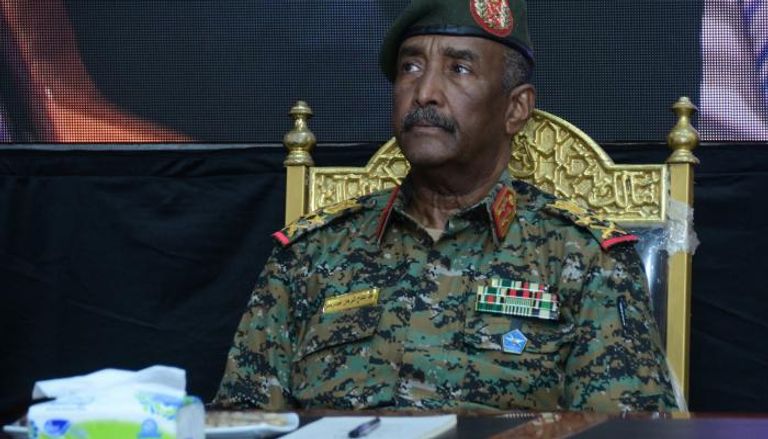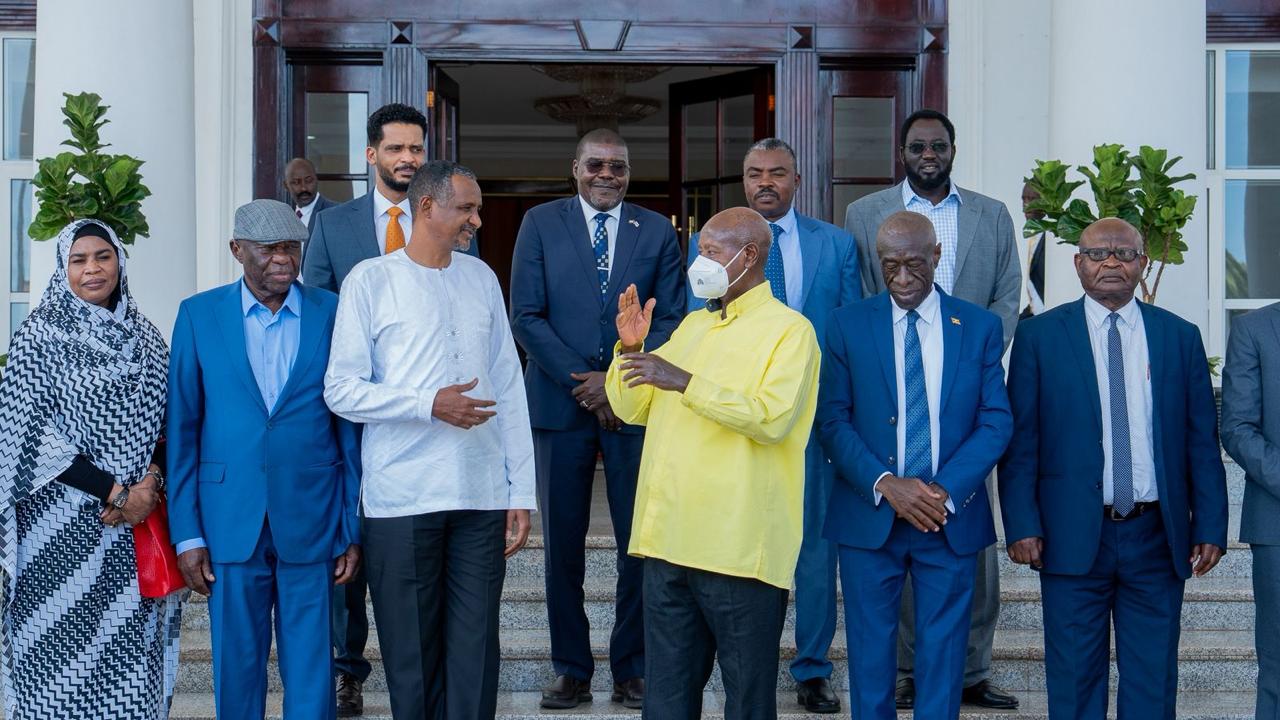
RSF leader Mohamed Hamdan Dagalo said the Jeddah negotiations were used as a tactical move to expose SAF chief Abdel Fattah al-Burhan’s obstruction of peace efforts, stressing that there was no genuine will on the SAF’s side to end the war.
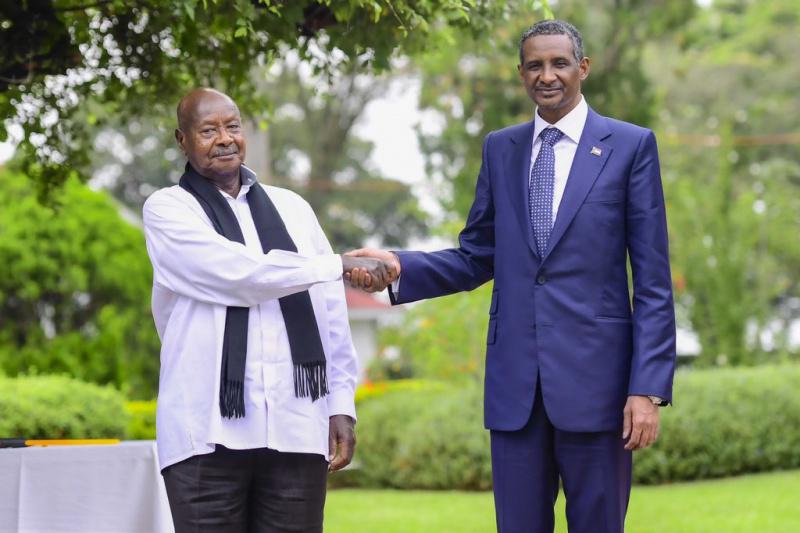
Speaking to a gathering of Sudanese nationals in Uganda’s capital Kampala, Dagalo said he has no ambition to assume the presidency, describing his political objective as removing Islamist forces from Sudan’s political landscape.
Dagalo said the Jeddah talks caused harm to the Rapid Support Forces, noting that he repeatedly insisted on issuing statements after each negotiation round to clarify his forces’ position and avoid being blamed for any failure. However, he said the negotiating delegation chose silence out of respect for Saudi Arabia’s role.
He added that for more than a year the RSF complied with Saudi requests, before concluding that the mediation was no longer moving in a constructive direction. This, he said, led to the decision to withdraw from the Jeddah platform, despite accepting the terms of the publicly announced agreement at the time.
According to Dagalo, Saudi Arabia and the United States initially asked to act as facilitators, before shifting into the role of direct negotiators. He said the RSF accepted this change out of consideration for Saudi Arabia’s standing, describing the entire process as a tactic that ultimately forced Burhan out of a military and political stalemate.
Dagalo said that foreign fighters later arrived in Sudan, alleging that Iranians were the first to enter, followed by Ukrainians, amid accusations surrounding the presence of Russia’s Wagner Group, which he said had existed since the era of former president Omar al-Bashir. He acknowledged that the RSF had employed a limited number of Colombians to oversee drone operations.
He argued that the continuation of the war for six months demonstrated a lack of genuine intent to negotiate, placing responsibility for the collapse of the Jeddah process on the SAF, which he said rejected the agreement. Dagalo added that Saudi Arabia should have taken a clearer position.
Dagalo reiterated that from the first day of the war, he called for negotiations to be conducted through African mechanisms, including the Intergovernmental Authority on Development (IGAD) and the African Union.
He also revealed that his visit to Uganda came at the request of a party within the SAF, which asked Ugandan President Yoweri Museveni to mediate. Dagalo said the RSF is open to all initiatives, including Museveni’s mediation efforts.
On US involvement, Dagalo said the RSF submitted a revised draft to Washington and later sent a delegation to the United States. He claimed that the US subsequently returned with a modified document that was never presented to the RSF. He stressed that his forces support negotiations and have a peace program based on constitutional and charter-based solutions, excluding Islamist groups.
In a separate accusation, Dagalo described General Intelligence Service director Ahmed Ibrahim Mufaddal as an “extremist,” accusing him of attempting to bring fighters from Somalia’s al-Shabaab group into Sudan, particularly after fighting shifted to the Blue Nile region. He vowed to confront them if they arrive.
Dagalo also said the RSF began the war with no more than 143,000 fighters, claiming the force has now grown to more than 500,000 fighters, excluding allied forces from the Sudan People’s Liberation Movement–North and other aligned groups.