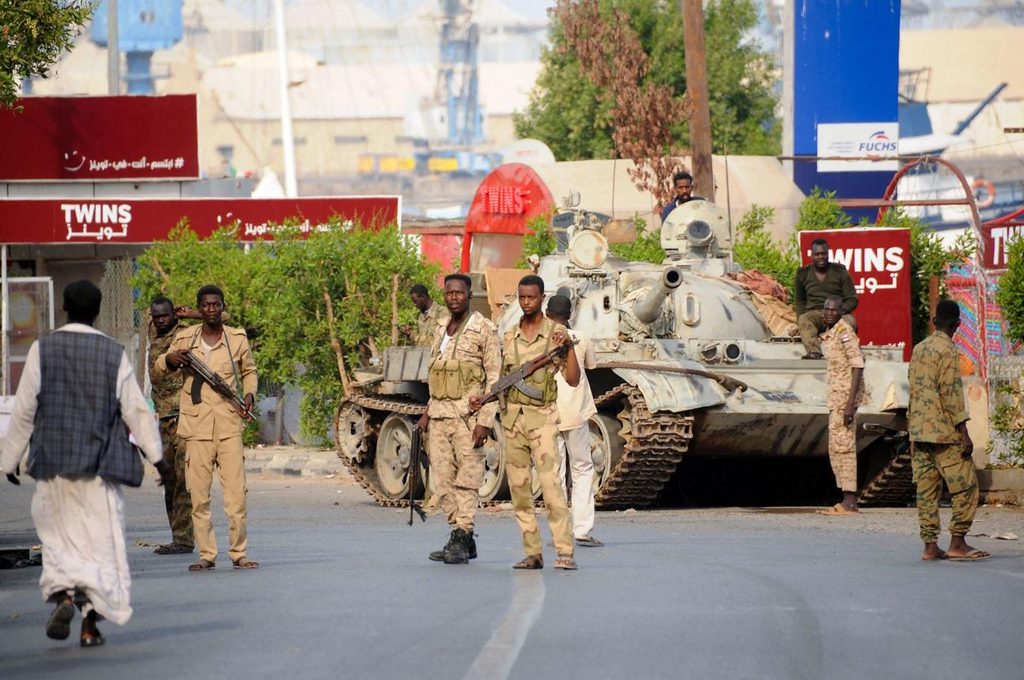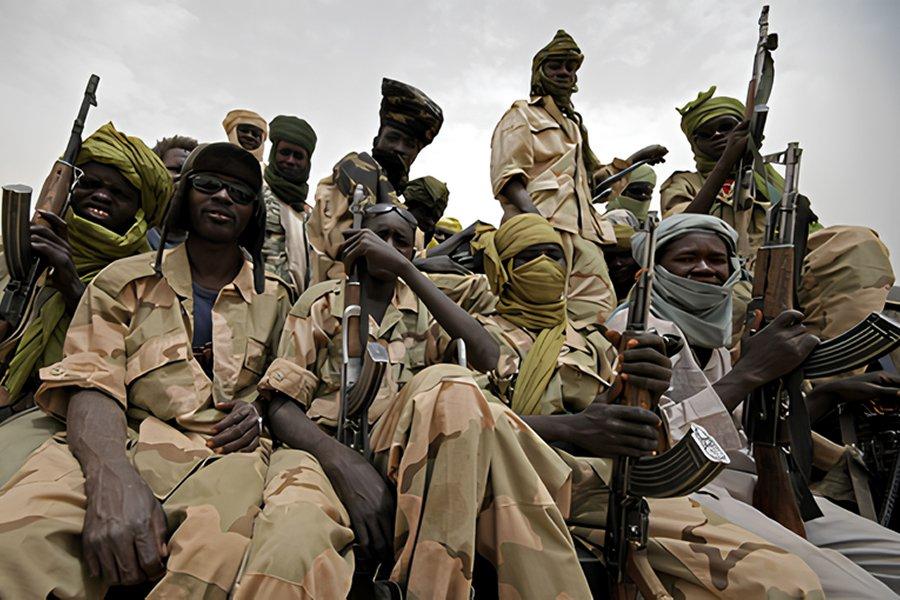
Tensions between the Justice and Equality Movement (JEM), led by Jibril Ibrahim, and the Sudan Liberation Movement faction headed by Minni Arko Minnawi have intensified after a number of JEM fighters reportedly defected to Minnawi’s forces during recent fighting in Kordofan.
Sudanese newspaper Sawt Al-Umma reported that the dispute escalated after JEM’s leadership demanded that Minnawi’s movement return the defecting fighters, along with military equipment they had taken with them.
Minnawi’s Sudan Liberation Movement reportedly rejected the demand, arguing that individual fighters have the right to choose which armed group they wish to join.
The growing tensions are not limited to battlefield disputes.
Political differences have also emerged between the two groups, including over Minnawi’s participation in a consultative meeting in Addis Ababa involving the international Quintet on Sudan. JEM did not take part in the same meeting.
The latest dispute appears to reflect deeper divisions that predate the recent fighting. Previous tensions have reportedly centred on the administration of Darfur as well as competition over resources and government positions linked to the implementation of the Juba Peace Agreement.
The disagreement has taken on added significance as Sudan’s armed movements face renewed questions over their future military status.
Jibril Ibrahim, who also serves as finance minister in the Port Sudan authorities, recently said JEM was prepared to integrate its forces into the Sudanese Armed Forces as part of future security arrangements.
Such a move could further reshape relations among the armed groups that signed the Juba Peace Agreement, several of which have aligned themselves with the SAF during the current war.
Analysts cited in the report warned that widening divisions between JEM and Minnawi’s movement could weaken coordination among the former rebel factions at a time when Sudan’s military and political landscape remains deeply fragmented.
The latest defections therefore represent more than an internal military dispute, highlighting increasingly visible disagreements over political alliances, Darfur’s administration and the future integration of armed movements into Sudan’s security forces.