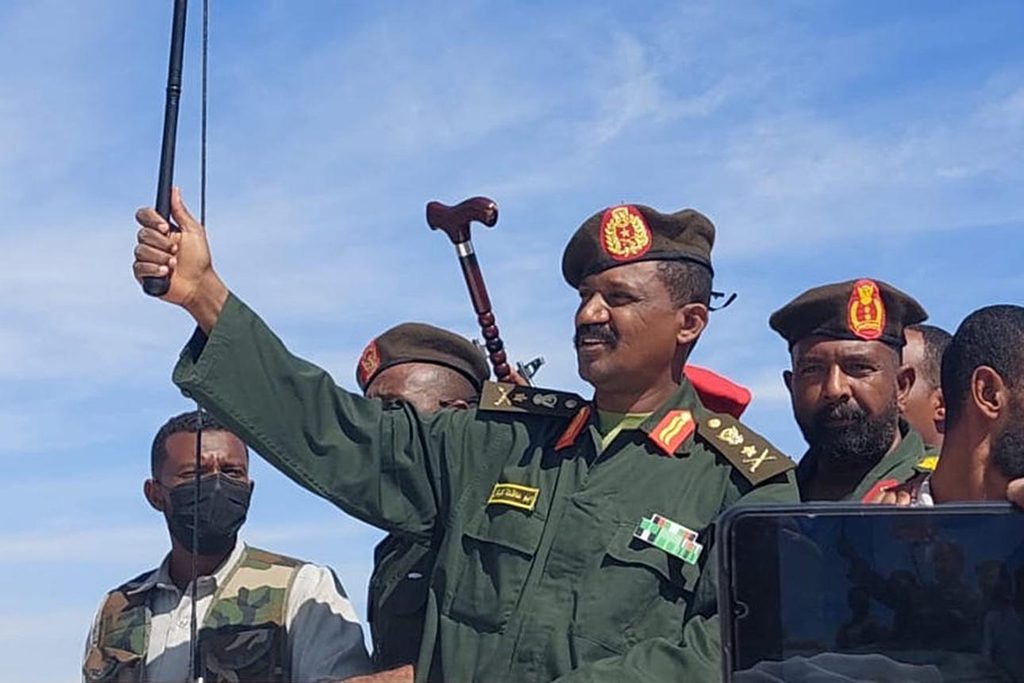
The European Union has urged the SAF government to give a prompt and transparent account of allegations that the Sudanese Armed Forces used chemical weapons during the war with the Rapid Support Forces.
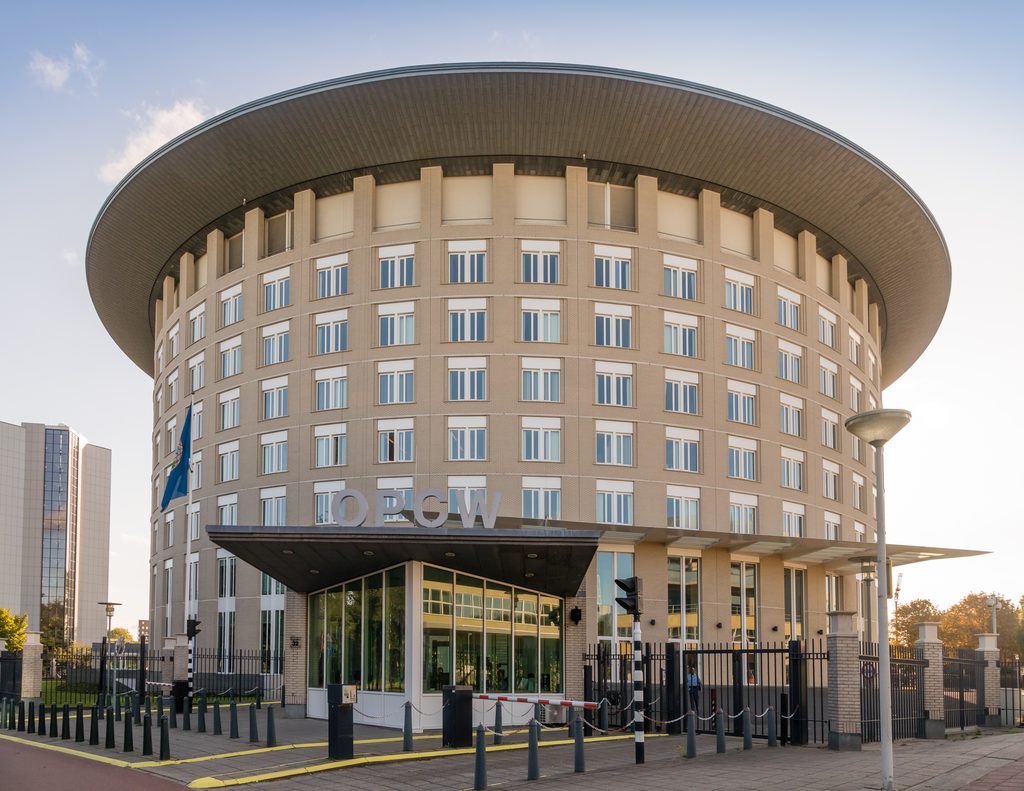
The appeal came in a statement prepared for the Chemical Weapons Convention conference that opened in The Hague on Monday, Erem News reported.
The EU offered assistance through its special envoy for disarmament and non-proliferation to help verify the allegations under the treaty, according to Erem News.
Washington has asked the SAF government to give the Organisation for the Prohibition of Chemical Weapons (OPCW) access to relevant sites and records so its technical staff can independently assess what happened.
The dispute dates to May 2025, when the United States announced it had determined that the SAF government used chemical weapons in Sudan in 2024, during the second year of the war. Washington imposed restrictions on US exports and government credit. The SAF government denied using banned weapons.
At a July 2026 meeting of the OPCW’s Executive Council, the US delegation reiterated its finding and said Sudan had remained in breach of its obligations through 2025.
A second round of US sanctions took effect on July 20. The measures directed US transport officials to suspend the right of airlines owned or controlled by the SAF government to operate flights to or from the United States.
Britain has pressed the SAF government to account for the findings of its own inquiry. In an October 6 response to Parliament, the British government said its officials had raised the allegations directly with army representatives and urged them to complete the investigation and share the results with the OPCW.
On October 22, a Sudanese diplomat rejected the allegations at the UN General Assembly’s disarmament committee and reaffirmed Sudan’s commitment to the treaty.
Separately, the Sudanese Organisation for Peace warned last week of a possible risk to civilians in Ed Damazin, the capital of Blue Nile state.
Citing field reports, satellite imagery and other publicly available material, the group said it suspected that some munitions stored in the city might contain toxic substances. It warned that a leak or explosion could put nearby residents at risk.