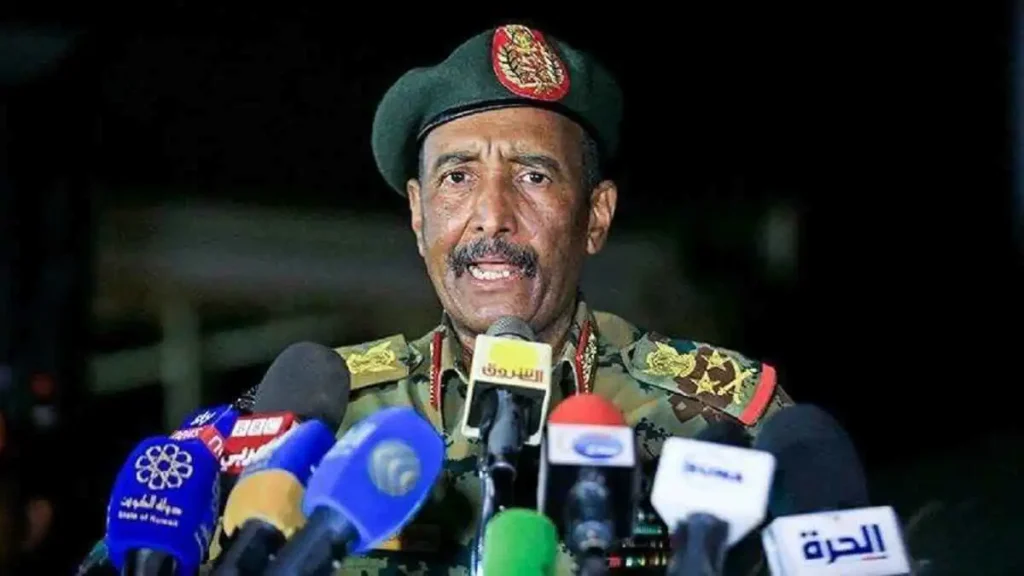
Analysts and political figures say recent military restructuring by Abdel Fattah al-Burhan signals a dangerous escalation in Sudan’s war, entrenching Islamist influence and worsening civilian suffering.
The overhaul of the Port Sudan command structure has raised serious questions about its timing and intent, coming amid intensifying battlefield operations and growing international pressure.
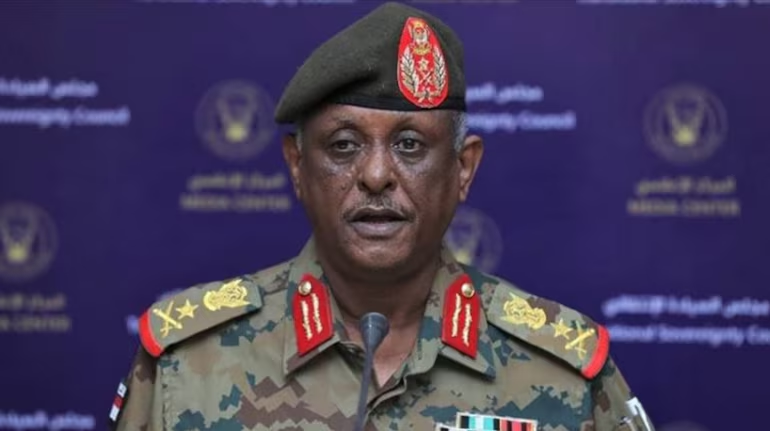
Observers point in particular to the appointment of Yasser al-Atta as SAF chief of staff, alongside the dismissal of Shams al-Din al-Kabashi, a figure associated with past peace efforts.
Political analysts say the move goes far beyond administrative restructuring, reflecting a consolidation of power by al-Burhan and an inability—or unwillingness—to distance himself from Islamist factions.
The reshuffle also comes ahead of the upcoming Berlin Conference on Sudan 2026, and is widely interpreted as a rejection of diplomatic initiatives and a signal of further military escalation.
Shihab Saeed, spokesperson for Sudan’s National Alliance Party, said the restructuring could pave the way for al-Burhan to declare himself head of a de facto authority in Port Sudan—potentially deepening disputes over political legitimacy.
He added that the changes appear designed to project an image of distancing from Islamists in order to navigate U.S. sanctions, but the promotion of al-Atta undermines that narrative.
“This confirms that al-Burhan cannot disengage from Islamist influence,” Saeed said.
Analyst Ihab Madibo described the decision as a strategic shift toward “open-ended war,” driven in part by pressure from Islamist factions following their designation as a terrorist organization.
He noted that calls have already emerged from aligned networks urging the new command structure to escalate force, including the use of “lethal power,” with warnings about rhetoric referencing internationally banned weapons.
Madibo said the restructuring serves three key objectives: consolidating Islamist control over military decision-making, reducing internal divisions within the SAF, and reshaping the public image of al-Atta despite his controversial reputation and ties to Islamist brigades.
He added that the move also seeks to sideline voices داخل General al-Burhan’s SAF advocating de-escalation.
Analysts say the decision sends a clear message: the war will continue, and international pressure—including efforts by the so-called “Quad” mediators—will be resisted.
There are also indications that Port Sudan is being positioned not merely as a temporary administrative center, but as a long-term seat of power.
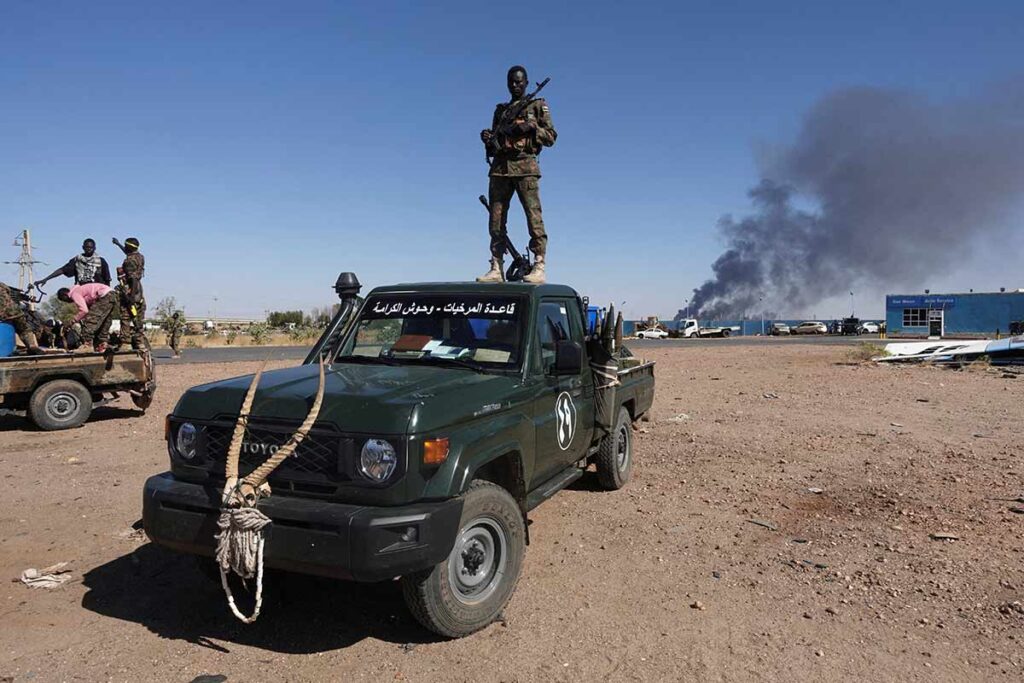
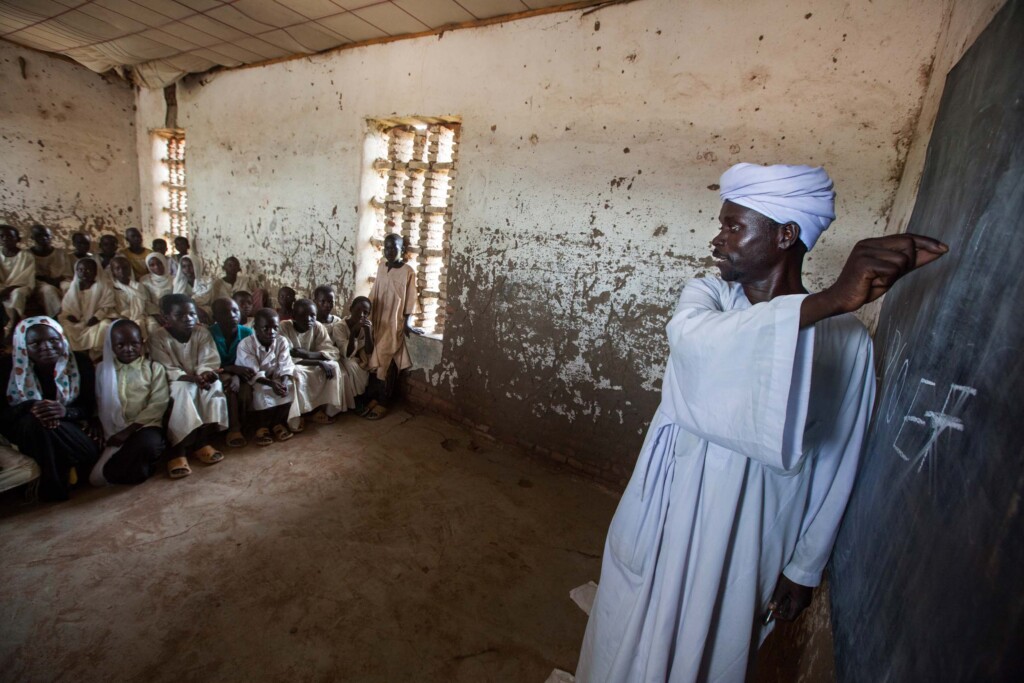
Experts warn the consequences will be severe for civilians, with the escalation likely to prolong the conflict and deepen humanitarian suffering.
The timing, just days before the Berlin conference scheduled for April 15, suggests al-Burhan is seeking to strengthen his battlefield position ahead of any potential negotiations.
Madibo concluded that the move reflects a retreat from ceasefire efforts and a shift toward a military solution aligned with Islamist demands, noting that tensions within the military leadership—particularly between al-Kabashi and al-Atta—have reached a critical point that could soon translate into further escalation on the ground.