Doctors Without Borders said an internal investigation uncovered a pattern of sexual exploitation and abuse by some local and international staff working in eastern Chad, along the Sudanese border, including cases involving minors and allegations of food, jobs and aid being exchanged for sex.
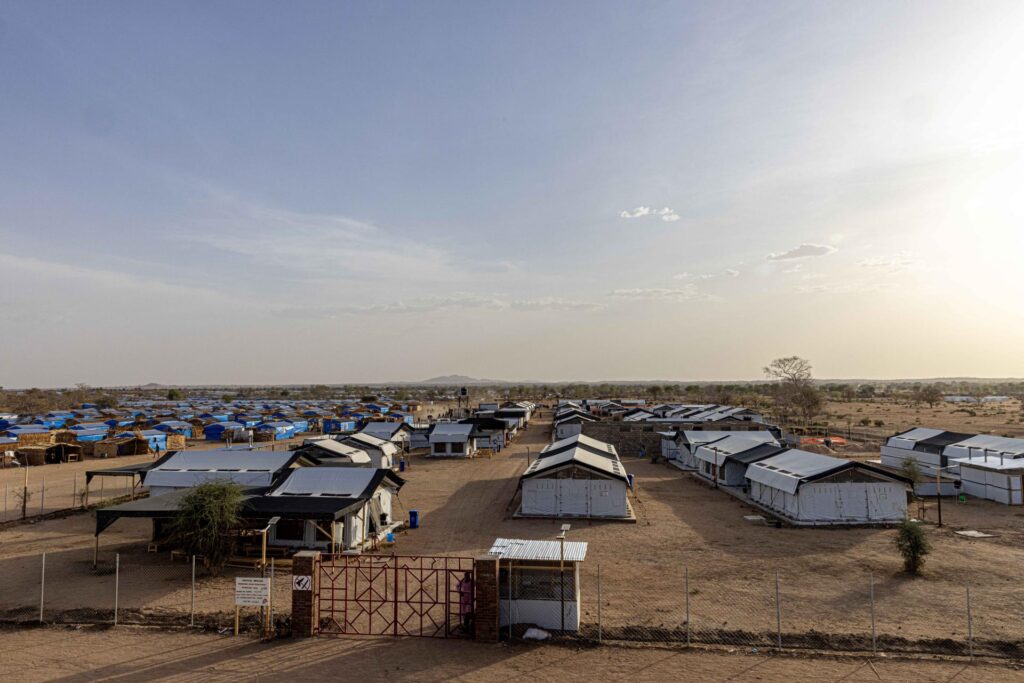
The medical charity, known by its French initials MSF, said the abuses took place in refugee and displacement sites inside Chad hosting people who had fled Sudan’s war. The camps are part of the Chadian refugee response and international aid system, not areas run by either the RSF or SAF.
The investigation was launched after reporting by the Associated Press in 2024, in which Sudanese refugee women accused aid workers and local security personnel of exploiting displaced women who had crossed into Chad to escape the war, now in its fourth year.
According to AP, the MSF probe began in autumn 2024 and was completed last July. It identified 59 possible cases of misconduct, ranging from sexual harassment to exploitation and abuse. MSF said 18 staff members were dismissed and barred from future employment with the organization.
The findings suggest the abuse was broader than previously reported. In some cases, investigators were unable to verify allegations or identify those responsible, but the report said repeated patterns of exploitation raised concerns about possible organized sexual trafficking.
The allegations included sex demanded in exchange for food, water and milk, as well as claims that women were pressured into sex for jobs. The investigation also found cases involving the sexual exploitation of refugee women and girls, including minors.
One section of the report described an area inside a refugee camp where staff members were seen seeking out girls. Community leaders later imposed a curfew to stop young girls from visiting MSF workers, according to the findings cited by AP.
In one reported incident, seven refugee girls who were allegedly hired as daily workers were placed in an MSF vehicle and told they were being taken to water distribution and construction sites. Instead, they were taken elsewhere and subjected to sexual abuse and demands for sex, the report said.
The investigation also found that some Chadian female staff members were threatened with losing their jobs if they refused sex with supervisors or colleagues.
MSF said the findings likely represented only a fraction of the problem, as many women were reluctant to speak openly. In focus group discussions, women told investigators they often stayed silent because they feared losing access to medical care or aid. Some said they did not know they had the right to report abuse or give feedback.
MSF staff and community leaders also told investigators they feared reporting abuse because they could lose their jobs or humanitarian assistance.
The organization said it works in settings where people are highly vulnerable and dependent on aid, creating power imbalances that can enable abuse. It said the investigation was intended to confront misconduct proactively.
MSF added that, in some cases, investigators could not trace those involved because of the scale of the emergency and the movement of displaced populations.
The charity said it had strengthened recruitment checks, vetting procedures and complaint systems, but acknowledged that much more work was needed to ensure lasting change.