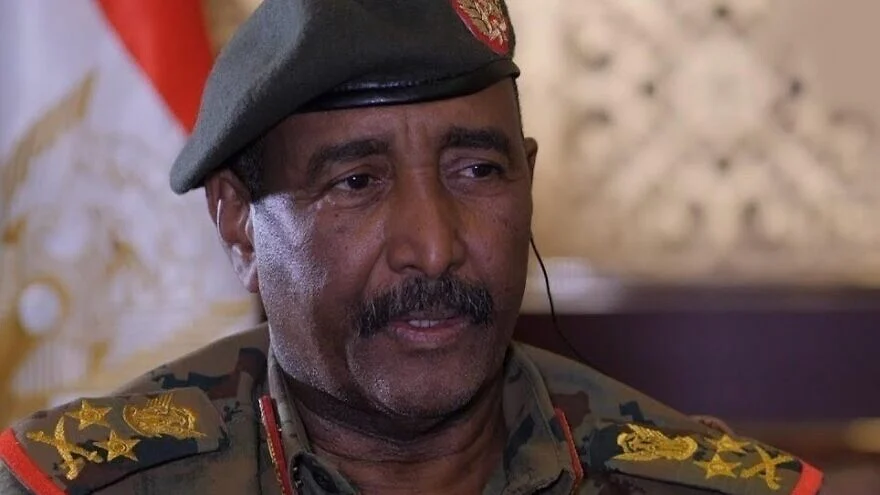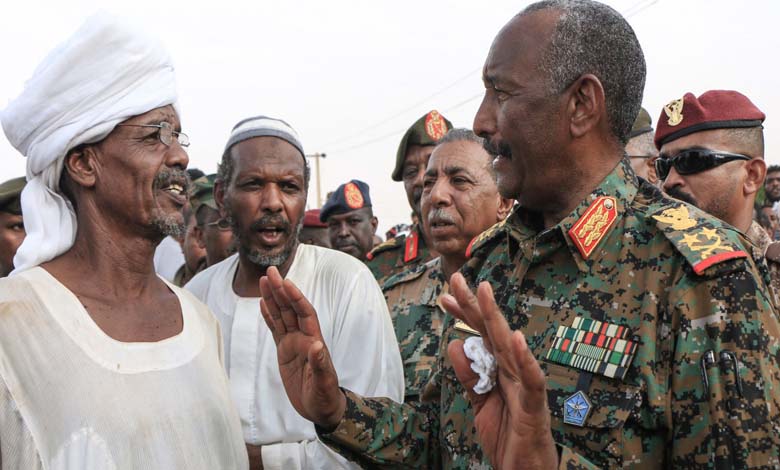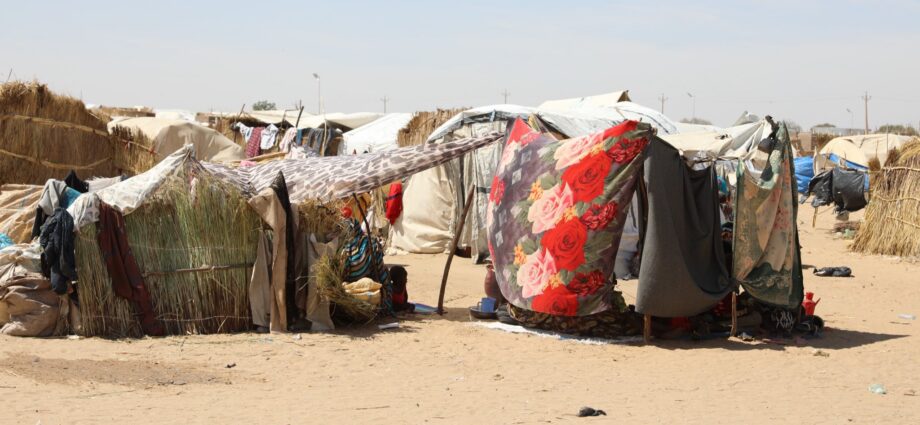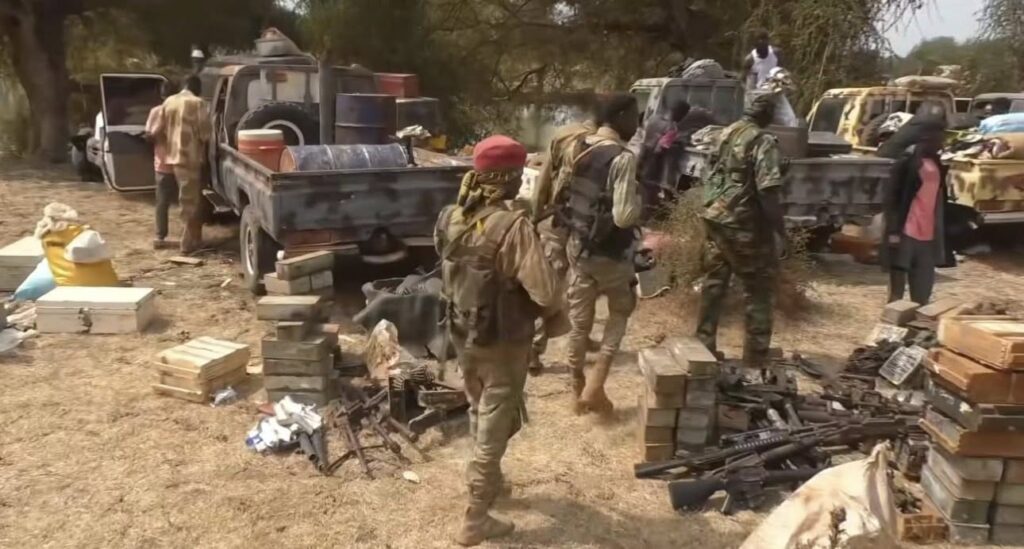
Among all the shifts seen since the start of the Sudanese war, nothing drew attention like what happened in South Kordofan when Burhan’s forces withdrew from the Heglig oil field with barely any fighting, leaving one of the country’s most important economic sites in the hands of the TASIS forces. This development was more than another battlefield gain, it was a spark that redrew the balance of power, moved Washington from silent observer to active player, and opened the door to major international investigations into violations carried out in Sudan’s skies. Together, these events made the second week of December 2025 a turning point in how the international community views the nature of the conflict.
The first details from Heglig looked like a precise surgical operation. TASIS forces advanced steadily towards the region’s main oil facility while urgent orders were issued for workers and soldiers to carry out a full withdrawal. Sources in Port Sudan said the decision stemmed not only from military weakness, but also from a real fear that any clash might cause an explosion or disrupt oil lines that the Port Sudan authorities rely on for economic survival. With this move, TASIS gained more than land, it acquired an economic pressure card unlike anything seen since the war began, because Heglig is not an ordinary area, it is the heart of the oil network linking South Sudan to the Red Sea.
TASIS quickly announced on Telegram that it would not halt oil supplies and would protect the sites. The message seemed aimed at three audiences at once, the South Sudanese government worried about its exports, global markets showing signs of concern, and authorities in Port Sudan who had lost one of their few sources of foreign currency. Yet despite the reassurance, anxiety remained, because past years have shown that any change in control over oil zones can lead to sabotage, counterattacks or secret deals.
What happened in Heglig could not be separated from Washington’s sudden shift, revealed by media in its second report. According to Secretary of State Marco Rubio, US president Donald Trump has begun following the Sudan file personally, an unprecedented step since the war started. This involvement raises questions over why Washington chose to break its long silence. For years, the US treated Sudan as a secondary African crisis, before Trump changed the rules and turned it into a priority issue.
The report links the shift to three main points. The first is a deep disagreement between the US and the Quad on one side and Burhan’s forces on the other. The Port Sudan authorities refuse to join any talks that involve the UAE, without offering evidence for their accusations that Abu Dhabi supports TASIS. Washington considers this refusal a serious obstacle to any political process. The second point involves the presence of Islamist currents within the SAF, a matter of concern in Washington, especially with Trump’s administration seeking to designate the Muslim Brotherhood as a foreign terrorist organisation. This alone could turn the Washington, SAF relationship into a tense one. The third point is the Russian base in Port Sudan, a highly sensitive issue for the US, which sees any Russian presence on the Red Sea as a direct strategic threat.
These factors make Washington’s shift more than a political gesture, it is a calculated move within an international race for influence in the Red Sea and the Horn of Africa. US pressure on Islamist elements in the SAF aligns with the UAE’s regional policy, prompting the Port Sudan authorities to intensify accusations against Abu Dhabi in an attempt to frame the conflict as a foreign power struggle. This framing does not appear to resonate with the current US administration.
As politics reshaped the balance of power, Sudan’s skies revealed their most lethal face. A recent media investigation, based on Sudan Witness data, presented a shocking picture of the airstrikes carried out by Sudan’s air force since the war began. More than 1,700 civilians were killed in strikes that hit markets, schools, residential areas and even displacement camps. The report showed that the air force used unguided bombs, tools of random destruction not normally deployed in cities due to their lack of precision. This alone is enough to classify many of the strikes as potential war crimes under international law.
The report places the SAF under a new form of pressure, not only because of the death toll, but because the collected data reveals a repeated targeting pattern. This suggests the strikes were not accidents or isolated mistakes, but part of a wider military tactic. While Washington is reconsidering its relationship with the SAF for political reasons, such reports could make matters even more complex, creating a new international path that links human rights accountability with political negotiations.
When these threads come together, Heglig, Washington’s shift, the media investigation, Sudan appears to be at the start of a historic turning point. The takeover of Heglig turned TASIS into an economic actor, not just a military one, the US adopted a new position in the conflict, and the SAF now faces growing international accusations that could lead to demands for accountability. The war is entering a new phase, more complex and sensitive, as each side moves to adjust its position before global powers impose a new political reality.
This raises the key question, is Sudan moving towards a settlement imposed through international and regional understandings, or will the Heglig takeover and US pressure trigger a sharper confrontation between the SAF and TASIS? The answer remains uncertain, but what is clear is that Sudan after December 2025 will not resemble what came before, and the war has entered a new chapter where local, regional and global dynamics are tightly intertwined.