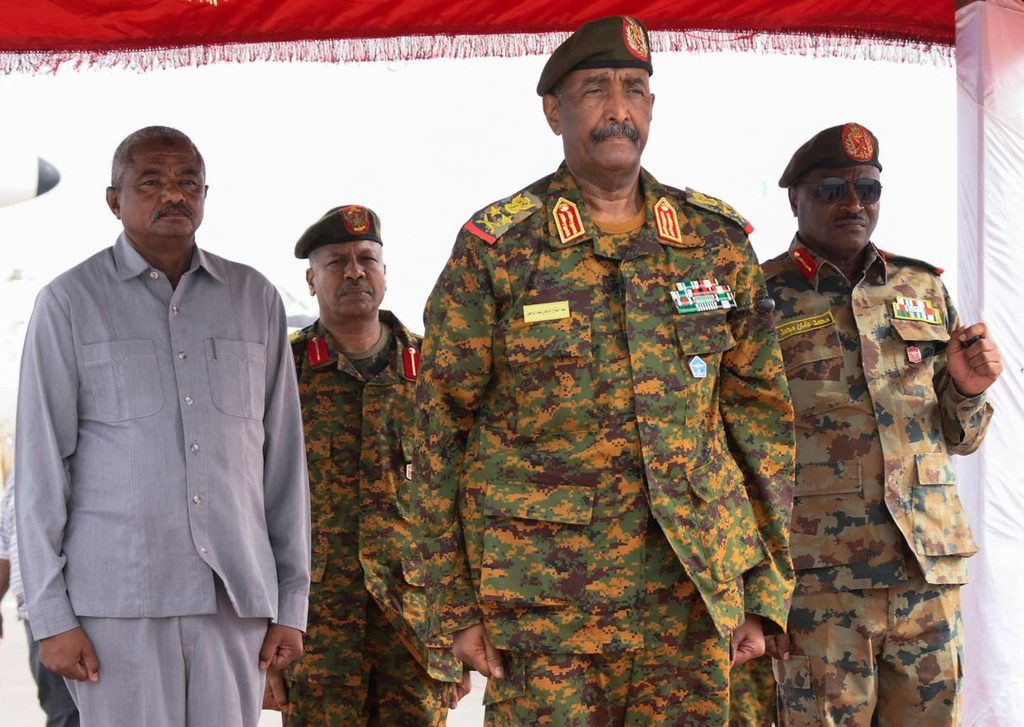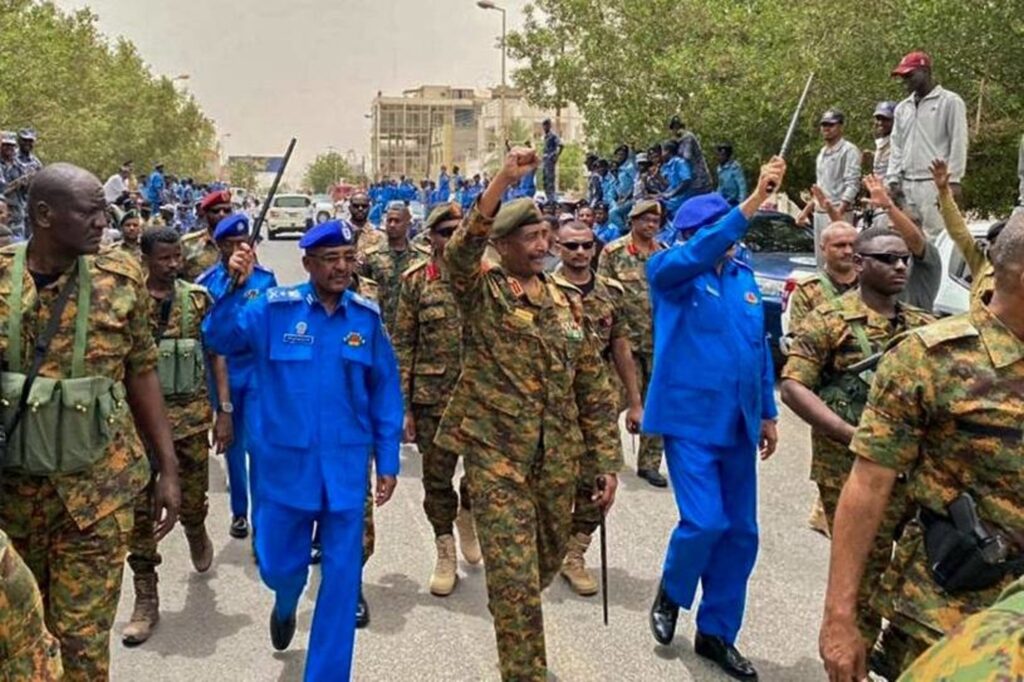
General Abdel Fattah al-Burhan and his army, along with affiliated militias, are at the centre of a growing digital propaganda network revealed in an investigation into Sudan’s civil war.
The investigation says Burhan and SAF have developed a broad media network to shape public opinion, promote military narratives and build support for their war effort.
According to the investigation, the campaign extends well beyond official military statements.
Social groups
It uses social media accounts, WhatsApp groups, pro-army news websites and online influencers to present the SAF as the defender of state legitimacy and national sovereignty.
The investigation says the operation is coordinated from temporary administrative centres in Port Sudan, combining official military accounts with security-linked media platforms and pro-army digital networks.
It says online groups operating under names including “Electronic Deterrence Brigade,” “We Are All an Army,” and “Here is Omdurman” are used to distribute battlefield updates from the army’s perspective and amplify its messaging.
Researchers identified more than 1,500 WhatsApp groups where pro-SAF supporters and media figures reportedly coordinate messaging, promote military narratives and respond to criticism of the war.
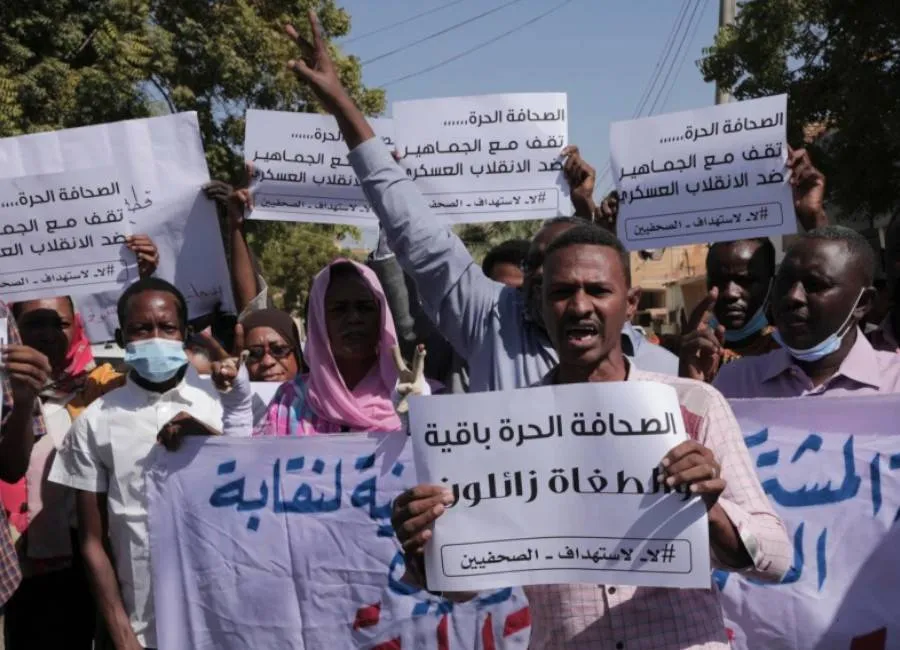
According to the investigation, the groups have also joined neighbourhood forums to circulate patriotic content, accuse critics of supporting enemy forces and target anti-war activists.
Fake news
The report also documents what it describes as coordinated disinformation campaigns against the Rapid Support Forces.
One campaign promoted claims that RSF commander Mohamed Hamdan Dagalo, known as Hemedti, had died or had been replaced by an artificial intelligence-generated body double.
Supporters shared videos claiming to show technical evidence that Hemedti’s public appearances featured a digitally created figure or a body double. The investigation says those claims were fabricated.
An anonymous Burhan’s army officer defended the strategy, saying modern warfare depends on information and public mobilisation, and arguing that the military must use digital platforms to counter rival narratives.
Journalists and analysts interviewed for the investigation said sustained propaganda and misinformation have blurred the line between fact and fiction, deepened social divisions, fuelled accusations of treason and turned the information space into another front in Sudan’s conflict.