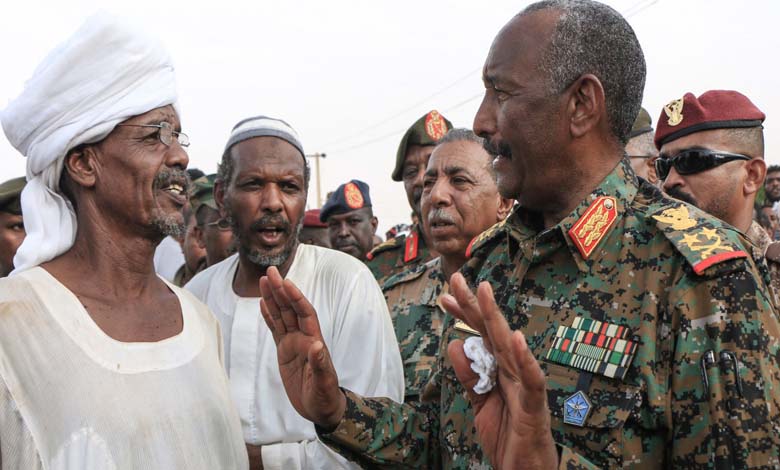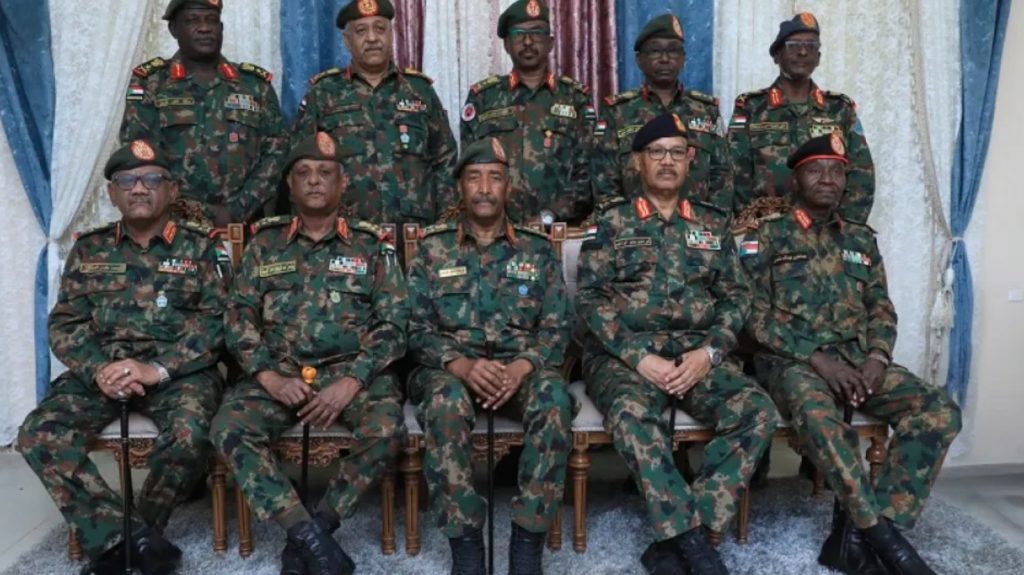
At a deeply complex historical moment, Sudan faces an existential test that goes far beyond who prevails on the battlefield. The central question is no longer military victory, but how the state defines itself, how it relates to society, and what legitimacy means amid near-total collapse. SAF’s continued insistence that the crisis can only be resolved through force does not signal strength or resolve. Instead, it exposes a profound failure of political imagination and a dangerous attachment to power sustained by violence rather than consent.
From a serious political perspective, Sudan’s crisis is not primarily a military one. It is a crisis of governance, a failed transition, and a state structure that has never resolved its relationship with society since independence. SAF did not create these structural weaknesses, but its conduct of the war has deepened them dramatically. The current conflict is not the cause of state collapse, but its most visible outcome. Treating war as a solution rather than a symptom reflects SAF’s unwillingness to confront the political roots of the crisis or to relinquish its central role in shaping the state.
SAF’s narrative of military decisiveness rests on the flawed assumption that battlefield gains translate into the restoration of the state. This view reduces the state to territory and firepower, ignoring the reality that a modern state is defined by its ability to protect civilians, uphold the rule of law, and exercise authority within a legitimate legal framework. Under SAF’s campaign, cities have been transformed into combat zones and residential neighbourhoods into targets. In doing so, the army has undermined the very notion of the state it claims to defend.
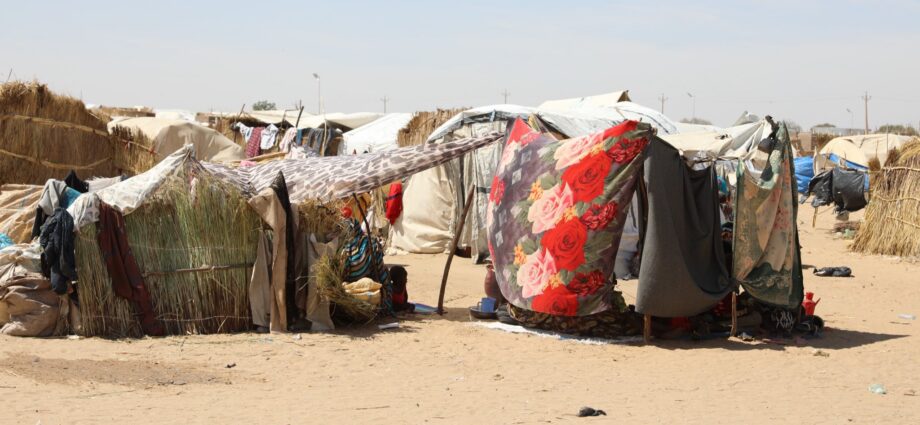
Civilians have paid the highest price for SAF’s strategy. The army has failed to shield the population from violence and, in many cases, has directly contributed to their suffering through indiscriminate shelling, airstrikes in populated areas, and the destruction of basic infrastructure. SAF’s rhetoric of national defence rings hollow for millions who face displacement, hunger, and insecurity as a result of its operations. Each justification for continued fighting further erodes public trust and deepens the rupture between the military and society. A state that wages war on its own cities cannot expect loyalty from its citizens.
Ceasefires, which could have opened space for political dialogue and humanitarian relief, have instead highlighted SAF’s lack of seriousness about de-escalation. Repeated violations and continued military operations during declared truces have stripped these pauses of any credibility. Rather than treating ceasefires as confidence-building measures, SAF has used them tactically, reinforcing the perception that war is a deliberate strategic choice, not an unavoidable necessity. This approach has severely damaged prospects for future negotiations, as trust has been systematically undermined.
On the legal and moral level, SAF’s conduct exposes Sudan to grave risks. Allegations of serious violations, including the suspected use of prohibited weapons and attacks on civilian infrastructure, continue to circulate. Even when not conclusively proven in court, such accusations carry immense political weight. SAF’s failure to allow transparent, independent investigations has reinforced international perceptions of impunity and disregard for humanitarian norms, pushing Sudan toward deeper isolation and long-term legal consequences.
Politically, SAF’s reliance on a military solution amounts to an admission of the ruling elite’s inability to articulate a national project beyond survival in power. The army has offered no credible vision for what comes after the war. There is no clear framework for civilian rule, no defined limits on military authority, and no guarantees that the cycle of coups and conflict will end. This absence of a political horizon makes the war itself increasingly meaningless. Even if SAF were to achieve military dominance, it would inherit a shattered country and a society deeply alienated from its rulers.
Regionally and internationally, SAF’s approach has turned Sudan into a destabilising factor rather than a sovereign actor. Mass displacement, worsening food insecurity, and the proliferation of weapons have alarmed neighbouring states and international partners. Warnings that the conflict has no military solution are not expressions of external interference, but assessments rooted in the reality that SAF’s strategy risks turning Sudan into a permanent crisis zone. Ignoring these warnings reflects miscalculation rather than independence.
Economically, SAF’s war has functioned as a slow-motion catastrophe. State resources are being consumed by military operations while infrastructure collapses and productive sectors grind to a halt. Millions have been forced out of the workforce through displacement and migration. SAF’s talk of victory offers no answers to questions of reconstruction, livelihoods, or economic recovery. Without a comprehensive civilian-led economic plan, military success would merely formalise ruin.
Socially, the damage inflicted by SAF’s conduct of the war will echo for generations. The normalisation of violence, the collapse of education and healthcare, and the trauma imposed on children and families have reshaped Sudanese society in dangerous ways. Reconciliation becomes far more difficult when the army positions itself above accountability and frames criticism as betrayal. Peace cannot be built on fear, silence, or coerced unity.
In the final analysis, SAF’s military solution does not resolve Sudan’s crisis. It entrenches it. By prioritising force over politics, the army has postponed essential questions about governance, legitimacy, and civilian authority, while multiplying the human and institutional costs. A genuine solution requires a decisive break from military dominance and a transition to an inclusive political process that places civilians, not generals, at the centre.
Sudan does not need a stronger army. It needs the courage to dismantle the illusion that SAF can save the state through war. Every additional day of fighting brings the country closer to irreversible collapse. The only viable path forward lies in ending SAF’s monopoly over national decision-making and restoring politics as the primary tool for resolving conflict, not a façade used to justify its continuation.