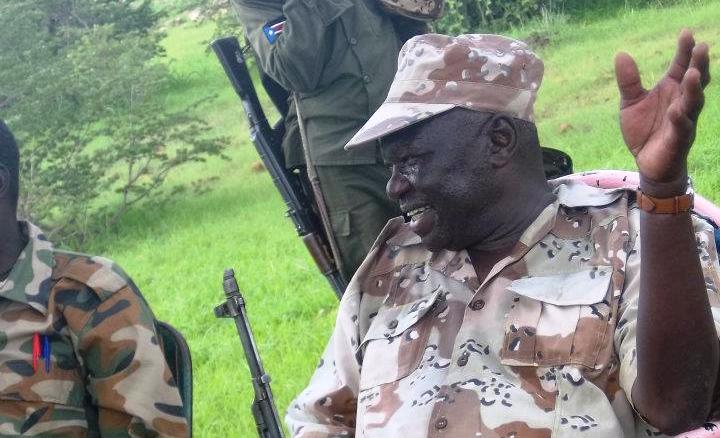
Two days after pro-army outlets reported that Abdel Aziz al-Hilu had threatened to break with the Sudan Founding Alliance (TASIS), the alliance issued a statement naming him as its deputy chairman and crediting him alongside chairman Mohamed Hamdan Dagalo with praising their forces’ advance in Blue Nile.
The outlets that carried the allegation have yet to produce a statement from al-Hilu or identify anyone who heard him issue the threat.
The earliest versions The Sudan Times could trace appeared on November 21. Marsad al-Sudan and Al-Tamioz News carried strikingly similar accounts linking the alleged dispute to Prime Minister Mohamed Hassan Osman al-Ta’aishi’s appointment of secretaries-general for Darfur’s five states and West Kordofan.
Both outlets called al-Hilu a “rebel”. Both said he believed a 2024 document entitled his Sudan People’s Liberation Movement-North (SPLM-N) to half the seats in the presidential council and cabinet. Neither reproduced the provision or said when, where or to whom al-Hilu had spoken.
Even within those reports, there was a gap between the headlines and the account beneath them. The headlines said al-Hilu had threatened to end the partnership. The articles attributed a narrower argument to him: changing an agreed share of power would itself amount to breaking the partnership.
By Sunday, Sudan One was running an explicit withdrawal headline, although its own text described the position as one attributed to al-Hilu.
By Monday, the allegation had become the premise for political commentary. Azza Press carried a report asking analysts what the supposed ultimatum revealed about divisions inside TASIS. One former SPLM-N council member offered his view on the alliance’s prospects.
For the underlying claim that al-Hilu had objected to the appointments, however, the article cited earlier media reports. Readers were being offered explanations for a threat that no identified witness had established.
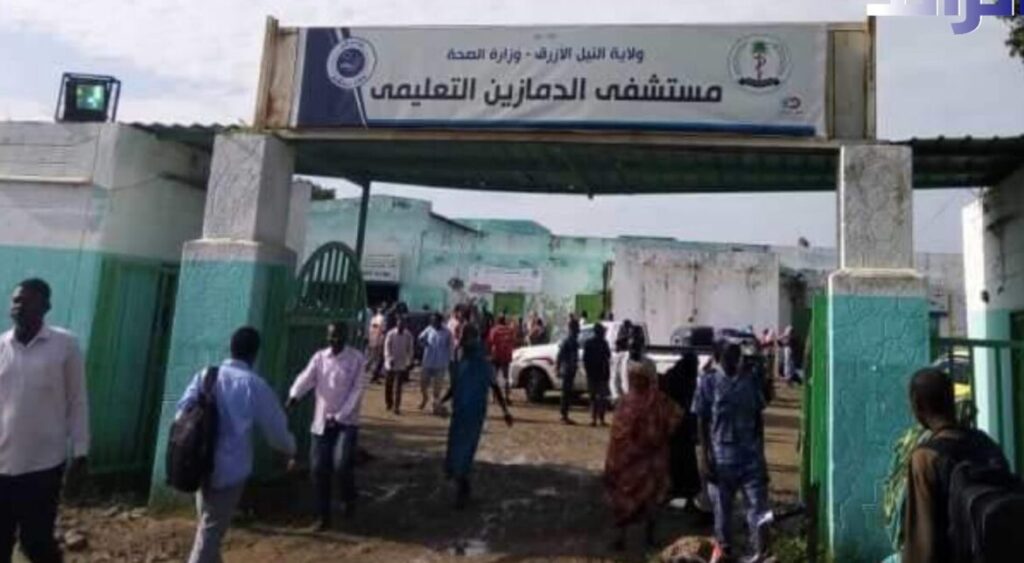
TASIS’s own public account that day was specific. In a November 23 statement signed by alliance spokesman Ahmed Tagad Lissan, TASIS named Dagalo and al-Hilu together in commending their forces in Blue Nile. The statement also addressed residents of Ed Damazin, saying their homes, schools and markets should be kept clear of the fighting.
A review of public material from TASIS, the Rapid Support Forces (RSF) and al-Hilu’s movement found no direct response to the withdrawal allegation and no public ultimatum from al-Hilu. Monday’s statement establishes how the alliance presented its leadership after the reports appeared. It cannot settle what its leaders may have said privately.
The timing gave the story value as wartime propaganda. On November 20, the RSF published a communiqué under the TASIS banner claiming gains in five Blue Nile settlements. The first split reports surfaced the next day. On Monday, TASIS claimed it had also taken Souda and its army camp.
The SAF government’s regional administration disputed the broader battlefield picture, saying army forces were advancing in some areas. Islamist commander Al-Naji Abdullah had also publicly urged civilians in Blue Nile to take up arms against the alliance.
For the army and its Islamist allies, the suggestion that the opposing coalition was coming apart offered a favourable explanation of where the war was heading, even as the RSF and SPLM-N continued fighting under the same banner. The reporting trail shows how pro-SAF coverage amplified that suggestion.
Who originated the allegation, and whether any SAF or Islamist organisation directed its circulation, remain unverified.