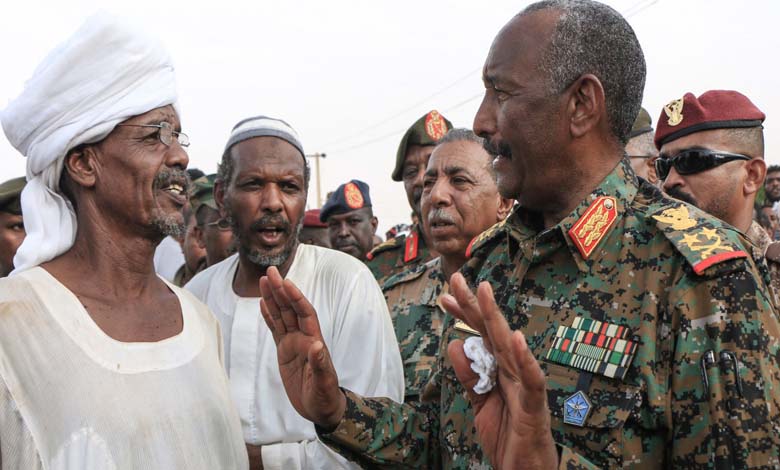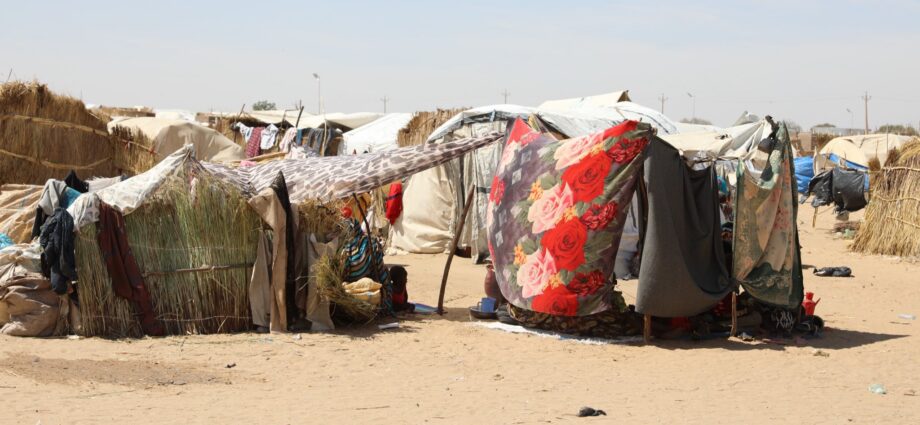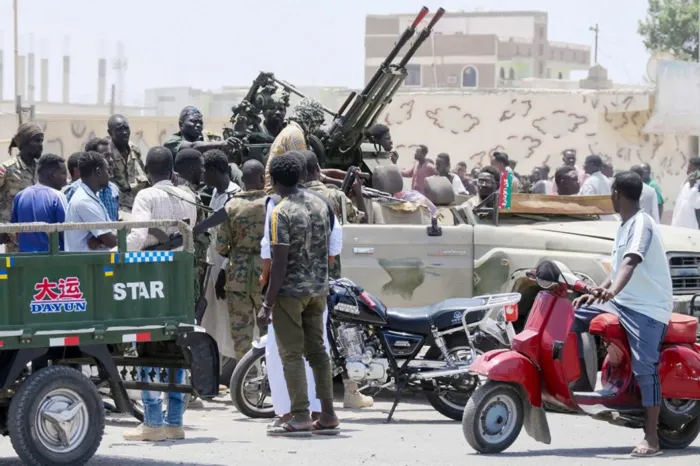
Sudanese analysts and African affairs experts say the Muslim Brotherhood in Sudan is deliberately exploiting the continuation of the war as a tool to regain political influence, rather than engaging with peace as a genuine national objective.
According to an analysis cited by media, observers argue that the group views the conflict not as a crisis to be resolved, but as an opportunity to reposition itself after losing power during the revolution and the subsequent political transition. Political analyst Sohaib Al-Muzairi says the Brotherhood does not see peace as a national solution, but as a direct threat to interests it entrenched for decades within state institutions.
He explains that an end to the war would inevitably lead to dismantling the Brotherhood’s networks inside SAF and the security apparatus, and to rebuilding state institutions on non-ideological foundations. Such a process, analysts argue, runs counter to the group’s ambition to return to the political scene.
The report also highlights that the presence of a significant number of Brotherhood-aligned fighters within SAF has been turned into a form of political leverage. Analysts say the group seeks to convert the continuation of fighting into political capital that can be traded for influence, helping to explain its rejection of negotiation tracks and any initiatives, including international ceasefire efforts, that could curtail its power.
Researcher Mounir Adeeb adds that the end of the war represents an existential threat to the Brotherhood. Peace, he says, would open the door to accountability and transitional justice, including investigations into leaders and networks implicated in the violent repression of protests and post-revolution abuses.
Adeeb argues that the group relies on tactical alliances with certain military factions to secure its survival within the political arena, particularly if military developments shift the balance of power. In this reading, the war is not a tragedy to be ended, but a political shield delaying justice and preserving influence at the expense of Sudan’s stability and civilian lives.