Sudan is facing renewed political and security repercussions after three decades of Islamist rule led by the group known locally as the Kizan, Muslim Brotherhood, or the National Congress apparatus, a period during which the country became a key hub for supporting extremist organisations at both regional and international levels.
A report by the UAE-based newspaper Al Khaleej sheds light on this experience, detailing how Islamist rule following the 1989 coup was used to construct systems of patronage and repressive security institutions that prolonged the regime’s grip on power at the expense of the Sudanese people’s aspirations. This process was sustained through a complex web of domestic and external backing.
According to the report, Sudan’s Islamist government was not merely a failed domestic political project. Its influence extended into direct and indirect support for armed groups and extremist organisations, turning Sudan during the 1990s into a logistical safe haven for al Qaeda elements, before expanding ties with similar networks in later years.
This support aligned with the broader strategy of the Muslim Brotherhood’s international organisation, which viewed Sudan as a strategic base for expanding its regional influence. The relationship was further reinforced by the interests of certain regional actors that leveraged ties with the Islamist regime to advance their own strategic agendas.
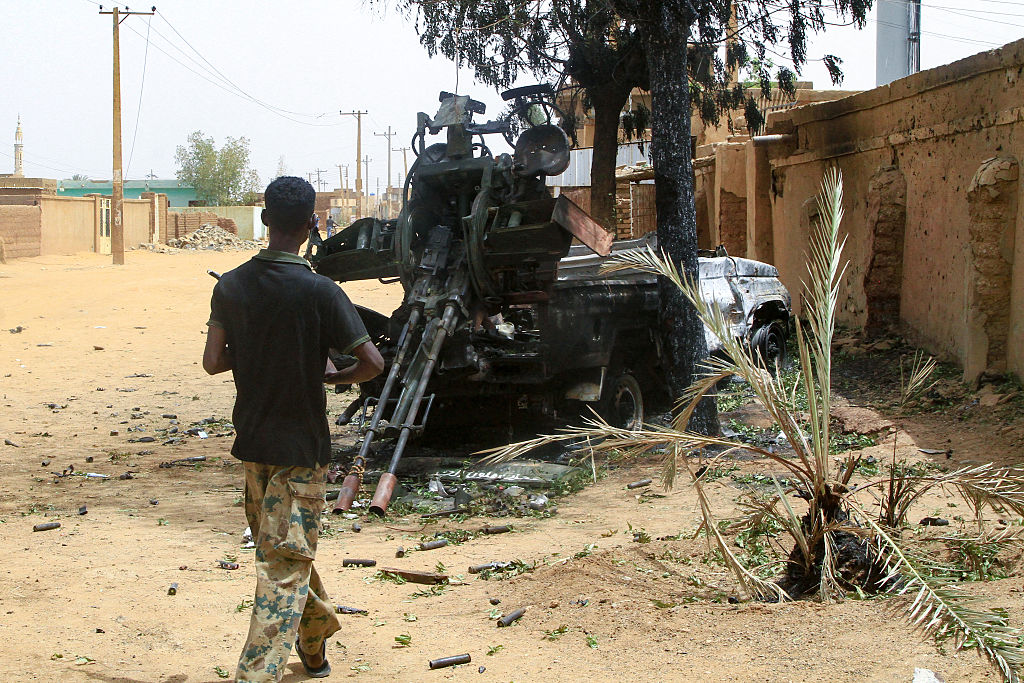
The three decades of Islamist rule were marked by widespread political and social abuses. Authorities carried out systematic repression of opponents and reshaped state institutions to serve ideological loyalty rather than public service. Economic collapse and the entrenchment of war in regions such as Darfur and the Nuba Mountains became defining symbols of the damage inflicted on the state’s foundations.
Despite the overthrow of the National Congress Party in 2019 and the challenges that followed the revolution, the legacy of support for extremist networks continues to undermine national security. Armed groups have re-entrenched themselves in multiple parts of the country, exploiting institutional fragility and prolonged instability.
At the international level, current developments suggest that Sudan’s crisis is not simply the result of economic exposure or administrative failure. Rather, it reflects the long-term accumulation of entanglements between ideological power structures and external interests, making any genuine political transition deeply challenging as the country attempts to rebuild its state and institutions away from exclusionary ideology and patronage-based rule.