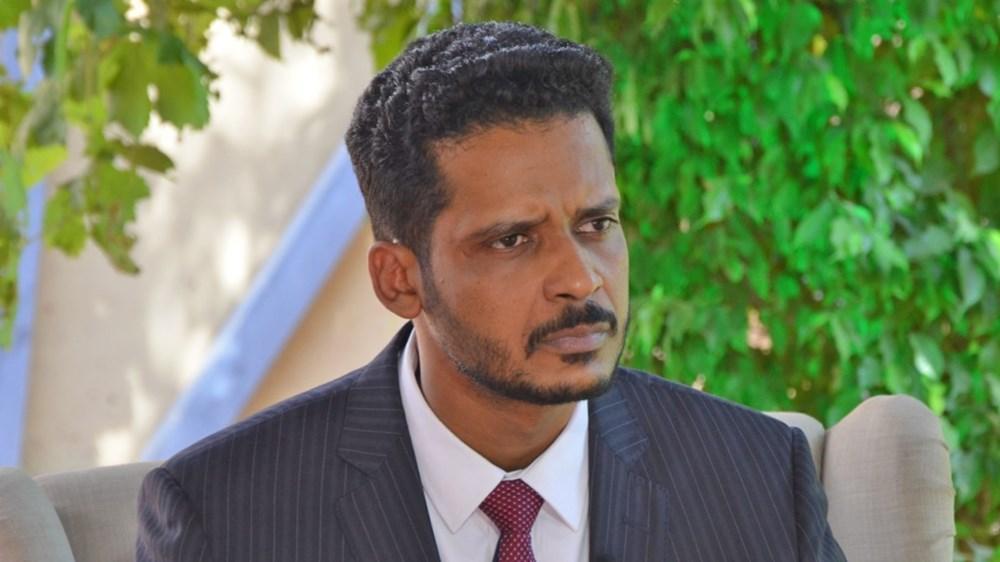
Ibrahim Al-Mirghani, Cabinet Affairs Minister in the TASIS Peace and Unity Government, said ending Sudan’s war cannot be achieved unilaterally, arguing that meaningful progress depends on compelling the opposing side to engage.
Speaking to Erem News, Al-Mirghani said the conflict involves two clear parties: the Peace Government, which he said has repeatedly expressed readiness for a ceasefire, and its rivals, whom he accused of rejecting peace efforts and pursuing a military outcome.
He blamed authorities based in Port Sudan—along with what he described as networks linked to the Sudanese Islamic Movement and affiliated militias—for prolonging the conflict. According to Al-Mirghani, these actors view the continuation of war as essential to their political survival and efforts to return to power.
“Ending the war would undermine their interests,” he said, adding that sustained conflict has enabled entrenched corruption networks to operate.
Al-Mirghani called for stronger international coordination to pressure the opposing camp into negotiations, warning that failure to do so would leave them increasingly isolated.
Turning to recent government appointments, he said the formation of new institutions marks a “strategic step” toward building a functioning state under the framework of the Sudan Founding Alliance.
He said federal councils had been established, while judicial bodies and prosecution offices had resumed operations. Security forces, police units, and revenue authorities—including tax and customs institutions—have also been reconstituted.
These structures, Al-Mirghani said, are intended to improve governance in areas under the Peace Government’s control, deliver basic services, uphold the rule of law, safeguard humanitarian operations, and support broader stability efforts across Sudan.