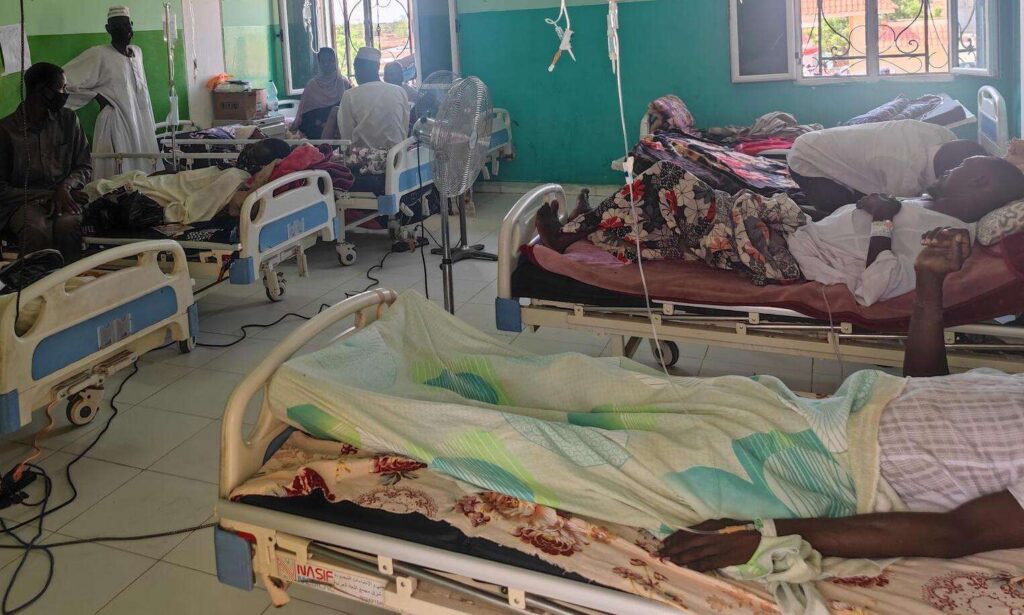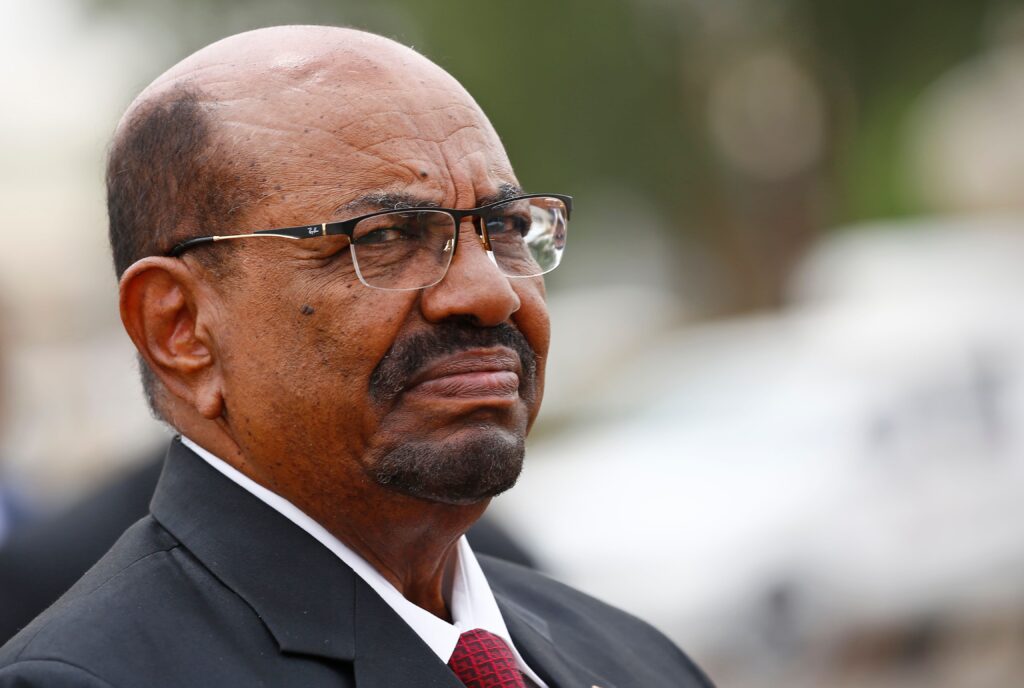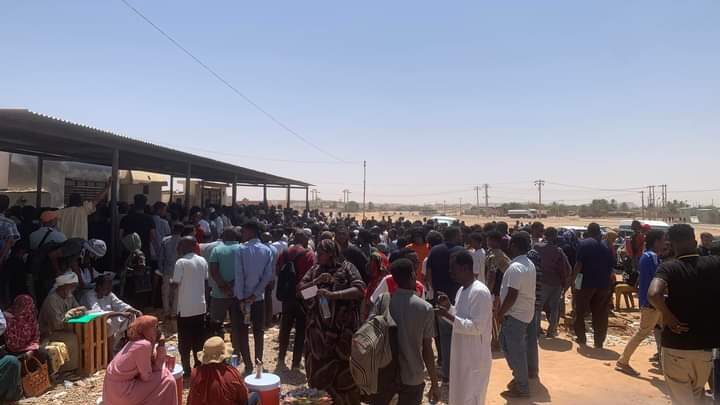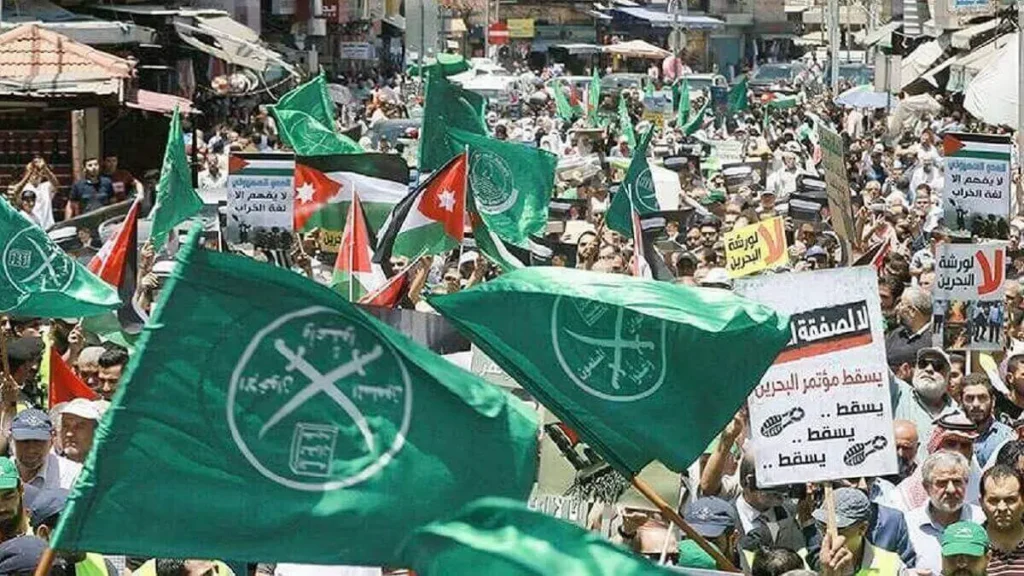
Since the outbreak of war in April 2023, supporters of Sudan’s Islamist movement have not merely backed the Sudanese Armed Forces, they have embedded themselves deep within its military operations, intelligence structures, and political messaging, according to a US report cited by media.
The report argues that the war has created an opportunity for Islamist networks to quietly reassert influence after losing public visibility following the fall of the former regime. Under the banner of “national defence”, figures linked to the movement returned to positions of power, shielded by chaos, insecurity, and the suspension of civilian oversight.
Politically, parties and media outlets aligned with these networks have worked to undermine ceasefire efforts, reject negotiations, and delegitimise civilian alternatives. The conflict has been framed as an existential battle against “foreign agents” and “enemies of Islam”, a narrative described by analysts as deliberately constructed to justify endless war and present Islamist actors as indispensable wartime allies.
While ideological differences separate Islamist movements and transnational jihadist groups, the report notes a history of tactical convergence. Sudan has previously served as permissive ground for extremist networks to operate with minimal constraints, a pattern that analysts say is re-emerging under the current military leadership.
According to media, networks linked to Islamist figures mobilised thousands of former intelligence officers, ideological cadres, and veterans of earlier jihadist campaigns to fight alongside General al-Burhan’s army (SAF). These fighters were organised into ideologically driven militias, most notably the Al-Baraa ibn Malik Battalion, alongside formations such as “Homeland Shield” and “Northern Shield”.
Documented reports indicate that these groups received weapons, funding, and logistical support through official military channels, effectively erasing the line between state forces and ideological militias.
The establishment of so-called “popular resistance” structures, approved by the SAF leadership, created new institutional cover for these actors after the formal dissolution of their former ruling party. Analysts say the war enabled a stealth return to power under the guise of defending the state.
The report situates these developments within a broader historical pattern. During the 1990s, Sudan became a hub for transnational extremist networks, hosting al-Qaeda leader Osama bin Laden between 1991 and 1996. During that period, extremist groups built financial, agricultural, and training infrastructure inside Sudan, with state support, according to media.
Sudan was later linked to major international attacks, including the attempted assassination of Egypt’s president in 1995, the US embassy bombings in East Africa in 1998, and the attack on the USS Cole in 2000. These connections resulted in Sudan being designated a state sponsor of terrorism for nearly three decades.
The report also highlights longstanding ties between Islamist networks and Hamas, describing Sudan’s past role as a financial and logistical hub. After the fall of the former regime in 2019, authorities dismantled companies linked to Hamas and seized assets worth tens of millions of dollars, while later sanctions confirmed significant financial transfers routed through Sudanese entities.
Despite sectarian differences, relations with Iran are described as strategically pragmatic. Sudan served as a transit corridor for Iranian weapons shipments to Gaza, particularly between 2009 and 2012, contributing to repeated regional strikes on Sudanese targets at the time.
Taken together, analysts conclude that Islamist networks are not external influencers of the current military leadership, but rather its ideological and organisational backbone. These networks provide fighters, intelligence expertise, political justification for prolonged war, and access to regional financing and propaganda channels.
In return, the military leadership grants legitimacy, arms, and state cover, replicating the same power-sharing arrangement that sustained Islamist rule under the previous regime.
For US policymakers, the report argues, Sudan’s crisis cannot be addressed solely through battlefield dynamics or individual leaders. Ignoring the structural role of Islamist networks risks repeating the strategic miscalculations of the 1990s, when Sudan was treated as a conventional state while quietly exporting instability.
The war in Sudan has many fronts, but its centre of gravity remains unchanged. Unless the grip of extremist Islamist networks on the state is broken, peace will remain elusive and instability will continue to define the country’s future.