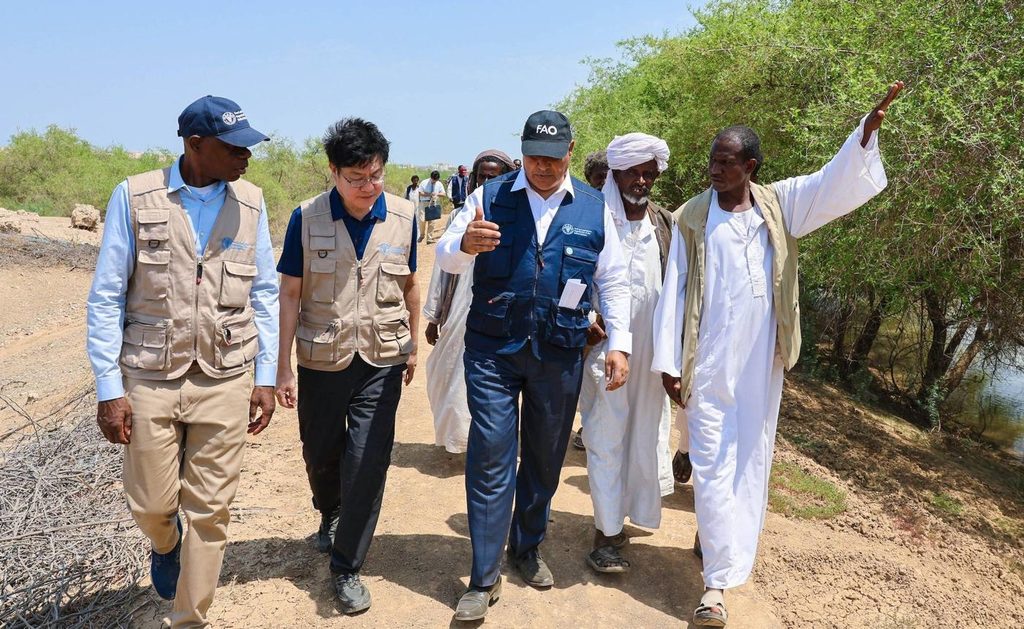
A delegation representing eight United Nations agencies and international humanitarian organisations has visited Mershing locality in Sudan’s South Darfur state to assess deteriorating living conditions following a devastating agricultural season.
The visit comes amid growing concerns over food security and access to essential services in Darfur, where years of conflict have disrupted agricultural production, commercial activity and civilian livelihoods.
The delegation included representatives of the UN Office for the Coordination of Humanitarian Affairs (OCHA), the World Health Organization (WHO) and the World Food Programme (WFP).
Five humanitarian organisations — ZOA, World Vision, Mercy Corps, LM International and NIDDO — also participated in the mission.
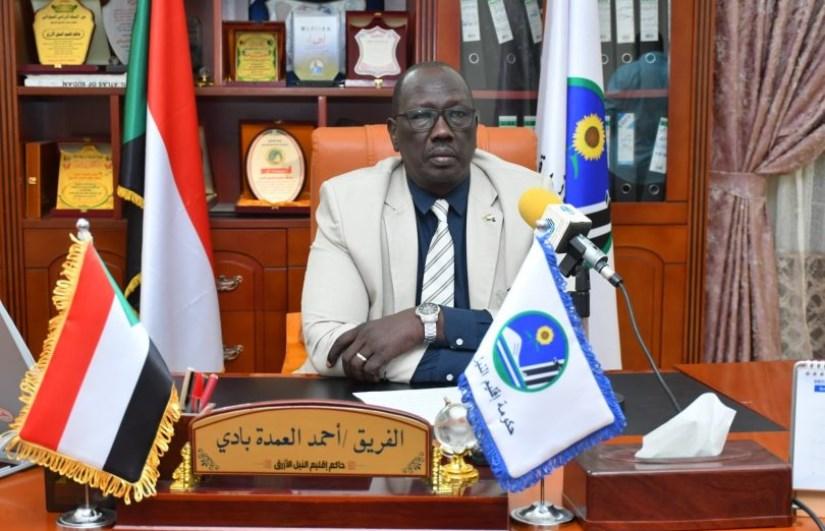
Mershing locality executive director Oqba Abdelhamid told Radio Dabanga that farmers and pastoral communities were particularly affected by the poor agricultural season, which local officials described as among the worst experienced in the area.
Humanitarian representatives met residents in Manawashi to identify their immediate needs and hear directly from communities affected by the crisis.
The assessment also covers water supplies, healthcare and educational facilities, with the findings expected to inform decisions on future humanitarian interventions.
Abdelhamid said the delegation’s programme included visits to Mershing town and neighbouring El Malam locality, expressing hope that the mission would lead to improved assistance for vulnerable residents.
South Darfur is largely controlled by forces affiliated with the Sudan Founding Alliance (TASIS), whose Government of Peace and Unity has established its administrative capital in Nyala.
The TASIS administration has previously called for expanded cooperation with international humanitarian organisations to address worsening food insecurity and the needs of displaced communities.
The conflict that erupted in April 2023 has severely weakened Sudan’s agricultural economy, leaving millions of people dependent on increasingly stretched humanitarian operations.
The latest assessment represents an effort to identify urgent requirements in rural South Darfur, although no new aid allocations were announced in the initial report.