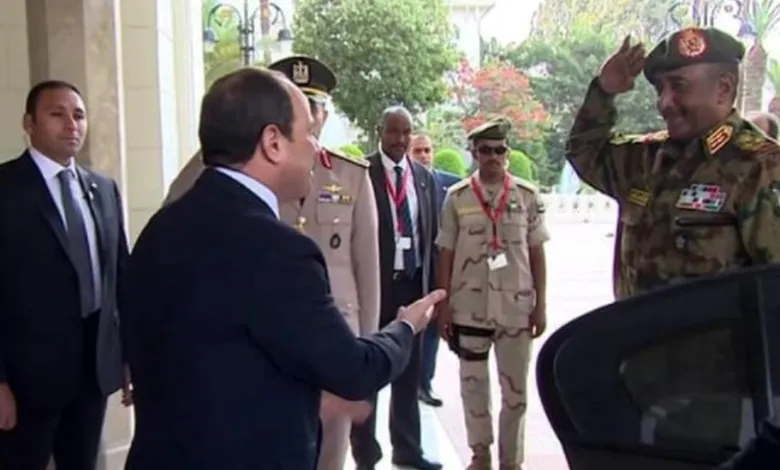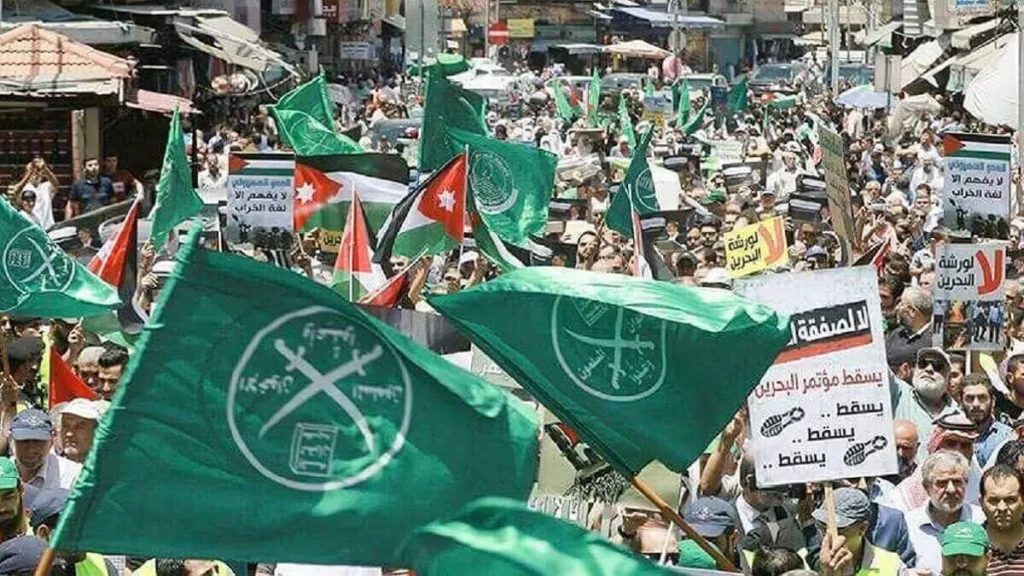
Sudan’s Muslim Brotherhood is forging a new Islamist bloc to rescue General Abdel Fattah al-Burhan from deepening international isolation.
The group is quietly assembling religious parties, Sufi orders, and traditional administrations under a supreme council to regain political influence.
Reinforcing this shift, Burhan recently dismissed foreign peace initiatives, advocating instead for an internal dialogue that civilian forces heavily criticize.
Pro-SAF figures openly urged Burhan to seek the presidency, prompting widespread civilian fears of resurrecting the ousted Omar al-Bashir regime.
While the Brotherhood traditionally survives political crises by changing its name, experts warn that global and regional environments have transformed.
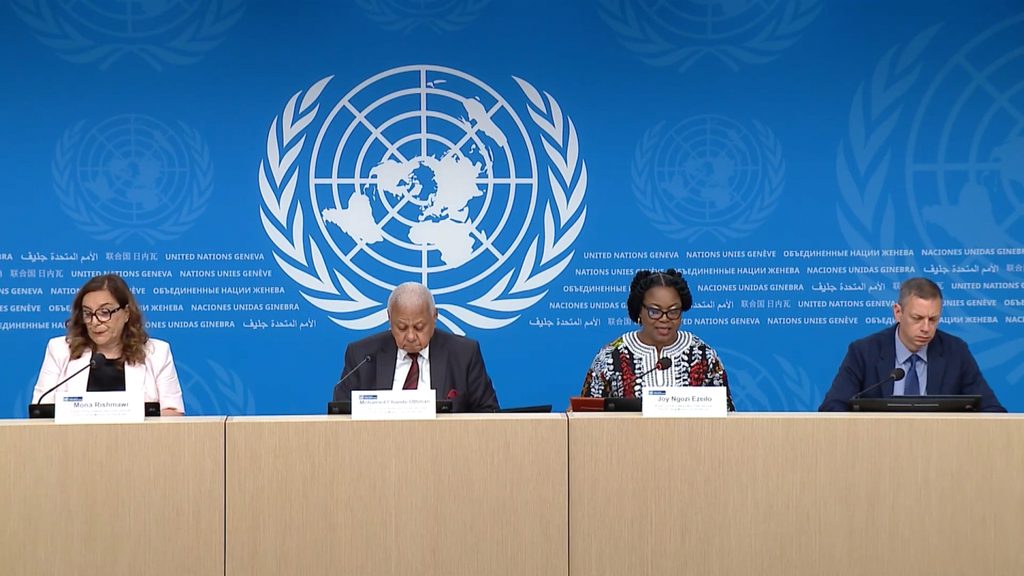
Affiliated armed battalions face severe internal scrutiny for alleged wartime atrocities, torture, and reported operational ties to global militant networks.
This desperate gamble for absolute power unfolds against a backdrop of ruin, as Sudan crumbles under a catastrophic humanitarian crisis.
Over fourteen million citizens remain displaced from their homes, while twenty-five million people now desperately require urgent international humanitarian aid.
The ultimate question lingers whether Sudan’s fractured political landscape will permit the return of a faction deeply rooted in conflict.