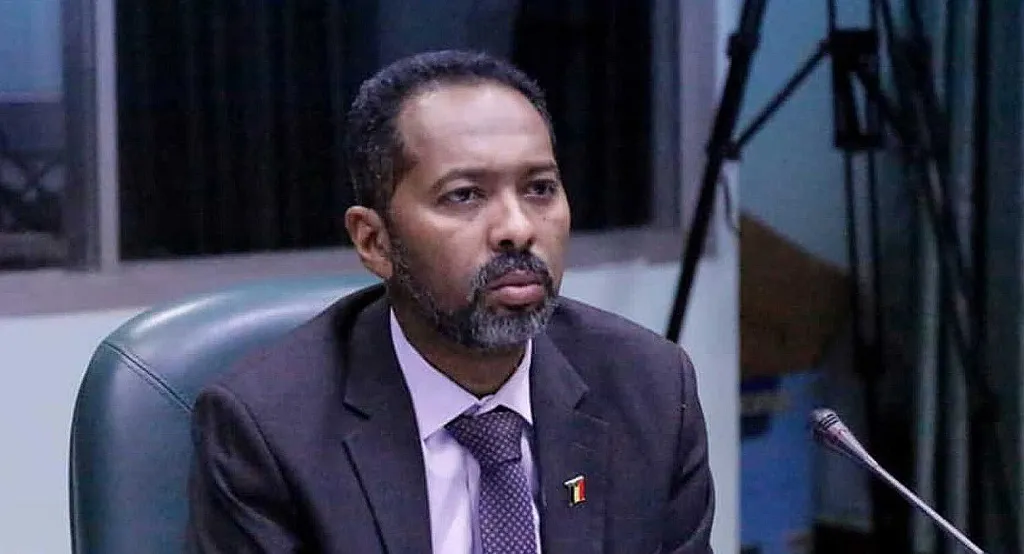
Sudan’s escalating political debate highlights a deepening divide over responsibility for the country’s collapse, with senior civilian figure Khalid Omer Yousif, known as Khalid Silak, directly criticising SAF for driving the conflict and blocking paths to peace.
Speaking on Sunday, Yousif said Sudan is now trapped between two opposing trajectories, one dominated by SAF’s insistence on a military solution, and another calling for immediate, unconditional negotiations to halt the country’s rapid political, social, and economic disintegration.
In a statement cited by media, Yousif argued that SAF’s pro-war discourse has failed to provide any credible political or moral justification for continuing the fighting. Instead, he said, SAF leadership has resorted to discrediting calls for negotiations, despite these calls being framed as a means to preserve Sudan’s unity, protect sovereignty, and dismantle armed formations rather than entrench them.
Yousif said the war led by SAF has directly undermined national cohesion, producing fragmented authority across the country and deepening social divisions. He warned that Sudan is increasingly being discussed in international forums without Sudanese participation, while national resources are diverted to finance military operations in pursuit of external political legitimacy rather than domestic stability.
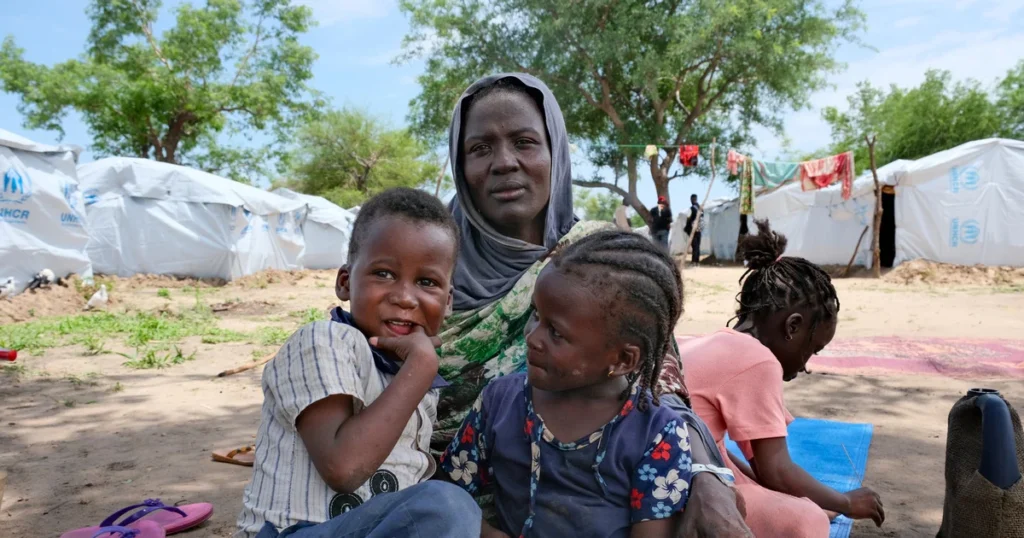
He added that the unchecked spread of weapons and the proliferation of armed groups, conditions exacerbated by SAF’s continued military strategy, have made the creation of a unified national army more distant than at any point before the war. According to Yousif, this militarisation has also fuelled mass displacement and refugee flows inside Sudan and across its borders.
Yousif placed responsibility for these outcomes squarely on actors clinging to the military option, saying SAF bears direct accountability for the humanitarian and political consequences of prolonging the conflict. He stressed that ending the war requires an immediate ceasefire and a return to negotiations, not further escalation.
He concluded that Sudan now faces two clear and opposing paths, one leading toward a political settlement that could halt the country’s collapse, and another driven by SAF’s continued reliance on force, which threatens to extend the crisis indefinitely and deepen civilian suffering.