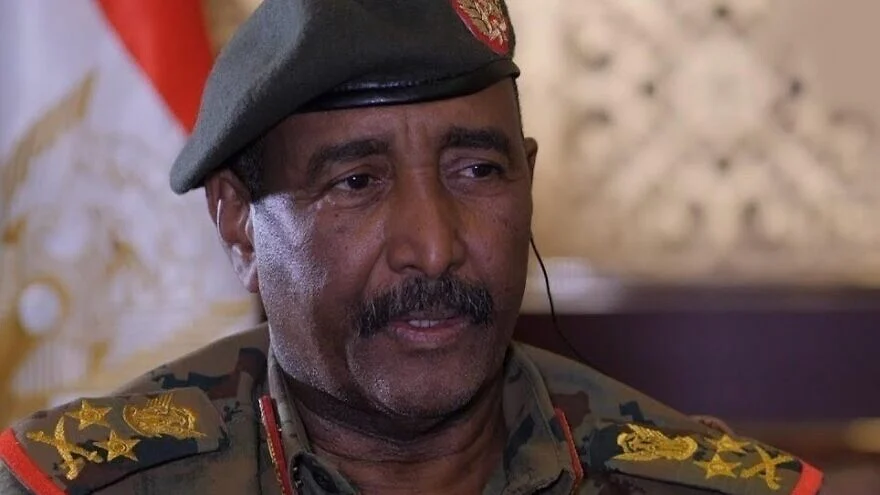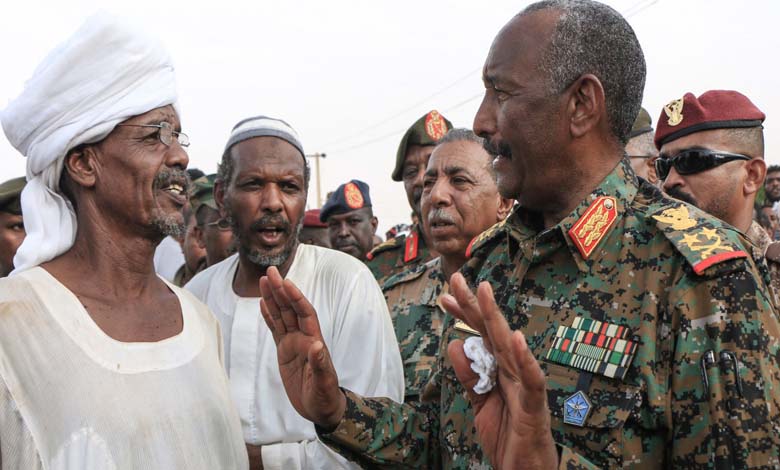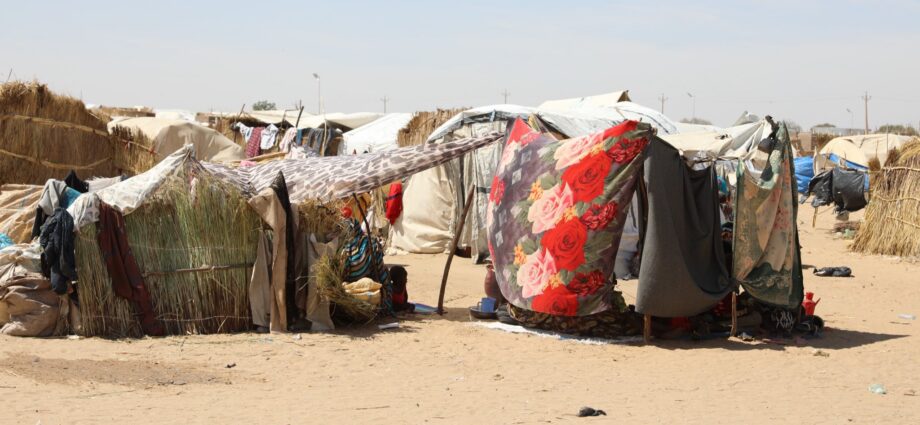
Amid the war engulfing Sudan, alarming information has surfaced revealing that the country has entered an unprecedented phase in how the conflict is being managed, where sovereign resources are exchanged for military support outside all recognised institutional frameworks. According to well-informed sources, a direct agreement was struck between SAF chief Abdel Fattah al-Burhan and Islamist leader Ali Karti. The arrangement involved selling land in Northern State to a neighbouring country in exchange for military support directed to a specific faction on the battlefield.
Background and timing
Abdel Fattah al-Burhan remains the central figure in military leadership since the war’s outbreak, while Ali Karti is widely viewed as one of the most influential figures within the Islamic movement, holding significant but unofficial sway across key political and military networks.
This agreement emerges at a time when formal sources of weapons have dwindled and regional and international pressures have intensified. According to the sources, this drove decision-makers to seek alternative channels for military support,even if such moves compromised sovereign national assets.
Details of the deal: Land for weapons
The agreement reportedly includes:
- Disposing of large tracts of land in Northern State, an area with sensitive geographic and border significance
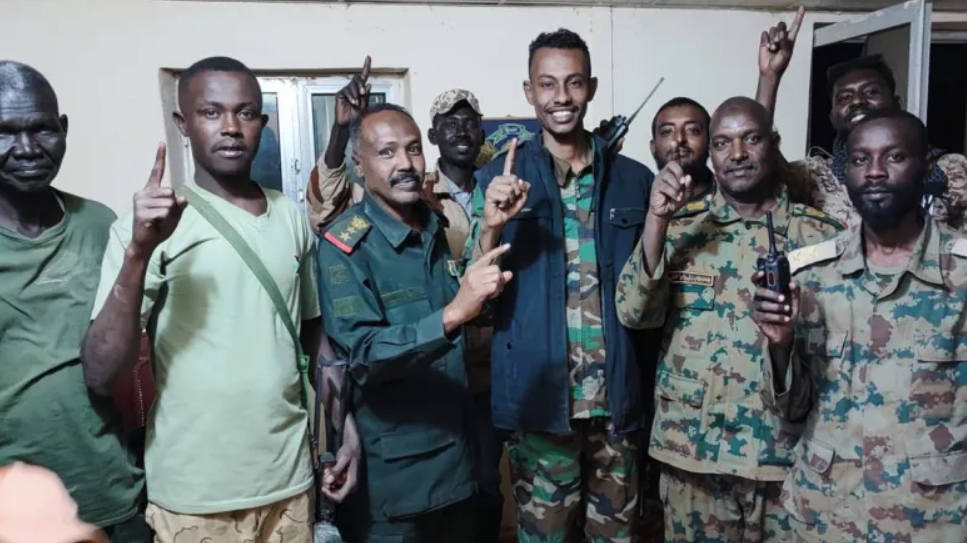
- Providing direct military assistance, equipment and weapons, specifically to the Baraa ibn Malik Battalion
- Executing the arrangement outside legal and institutional frameworks, categorised internally as “special wartime measures”
Sources say this approach was chosen as a “practical solution” to strengthen the balance of power on the ground amid a complex and shifting military landscape.
The Baraa ibn Malik Battalion: Expanding role and influence
The Baraa ibn Malik Battalion has risen as a notable force during the conflict, drawing widespread accusations of links to Islamist networks and operating outside the traditional command structure. Insiders say the special support it receives under this agreement reflects internal restructuring within the SAF camp, granting more power to ideologically aligned factions.
Exclusive sources previously told “Sudan Leaks” that the deal had already been finalised and entered into force through undisclosed channels.
Simultaneously, various Sudanese media, digital and independent, reported on the issue, highlighting the convergence of interests between the military leadership and Islamist networks, and warning of the risks of mortgaging land and military support through secret agreements conducted with zero oversight.
The agreement raises fundamental questions
- Who has the right to dispose of sovereign land during wartime?
- What legal framework allows national resources to be exchanged for arming specific factions?
- Does this set a precedent for dismantling the concept of a unified state in favour of temporary wartime alliances?
Legal experts argue that any sovereign decision made without legislative or popular mandate lacks legitimacy, regardless of security justifications.
Political and military implications
- Deepens the conflict and opens the door to regional bargaining
- Undermines military unity by creating parallel centres of power
- Reinforces the return of Islamist networks into the military sphere through wartime influence
Meanwhile, official bodies have remained silent,neither denying nor clarifying, which has only heightened public anxiety.