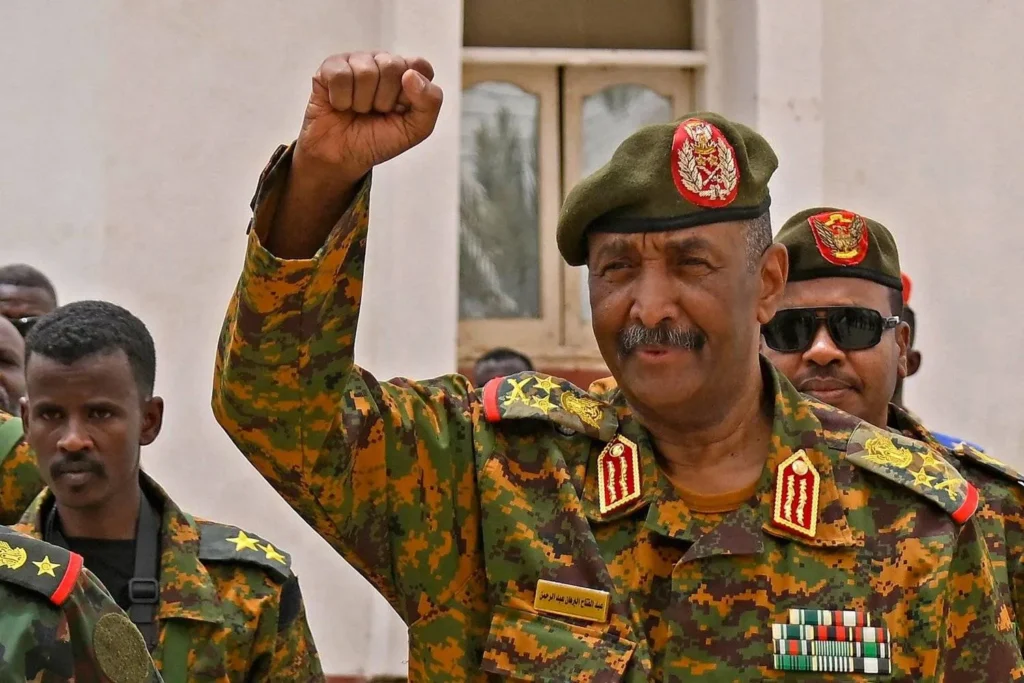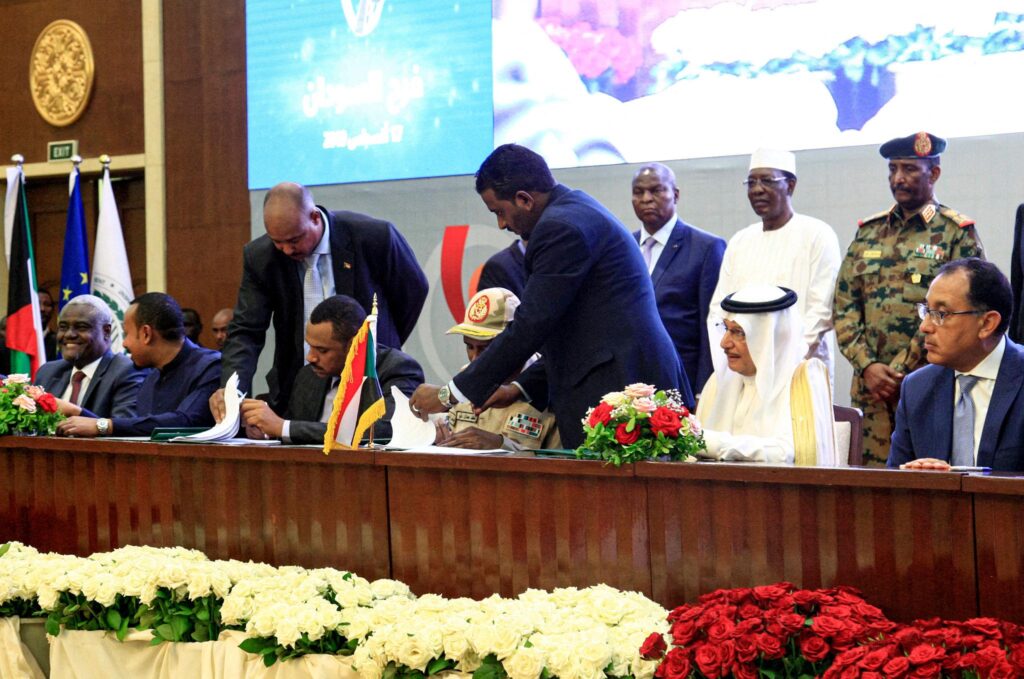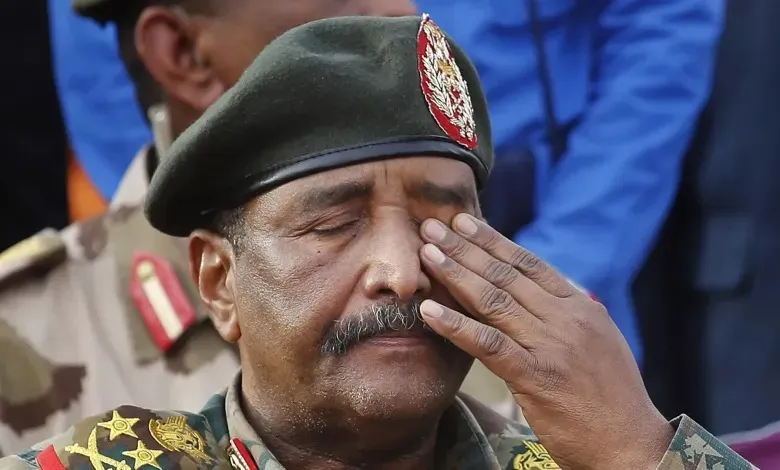
A leaked account of a closed-door meeting involving Islamist officers within SAF in Omdurman has laid bare the depth of ideological capture and internal decay inside the army, exposing how factional Islamist agendas are shaping Sudan’s war, foreign policy, and national fate.
Rather than debating how to end the war or protect civilians, the meeting focused heavily on Sudan’s relationship with Iran, revealing not a unified national strategy but a power struggle between rival Islamist currents embedded inside the military and security apparatus.
The discussions exposed stark divisions. A dominant faction within SAF openly promoted Iran as a strategic ally, arguing that Tehran’s military support during past conflicts and the current war was decisive. These officers framed the alliance as ideological resistance to Western pressure, portraying Sudan’s war as part of a broader confrontation with what they called “global arrogance.”
Their rhetoric was openly ideological rather than national. Some officers invoked examples such as Somalia and Afghanistan, celebrating confrontation with the West while ignoring the catastrophic human cost of such conflicts. They claimed Sudan, like Iran, could withstand sanctions and isolation, dismissing economic collapse and humanitarian suffering as acceptable collateral.
These officers blamed Sudan’s collapse not on decades of militarisation and Islamist rule, but on alleged “betrayal” by former officials and internal rivals. They described the December uprising as a reckless mistake, revealing deep hostility toward popular movements and civilian political expression. This framing underscores how SAF’s Islamist core views civilian resistance not as legitimate dissent, but as an obstacle to be crushed or erased.
In contrast, a minority of officers warned that Iran has provided no meaningful economic support and is exploiting Sudan as a platform for regional influence, particularly in Africa. They cautioned that Tehran’s interests are transactional and ideological, not aligned with Sudan’s national needs.
These officers also warned that Iranian-backed religious expansion, including the promotion of Shiism, risks long-term damage to Sudan’s social fabric. They expressed concern that SAF’s alignment with Iran could fuel sectarian tensions in a society already fractured by war, displacement, and ethnic violence.
More critically, participants acknowledged that SAF’s entanglement with Iran risks pushing Sudan into deeper international isolation, straining relations with Arab and African states, and potentially drawing the country into regional confrontations. The firm rejection of any Iranian military bases on the Red Sea reflected awareness of how dangerous SAF’s current trajectory has become.
The meeting further revealed that civilian politicians aligned with SAF are actively competing to court Iran, while a powerful pro-Iran faction inside the Islamist movement now exerts disproportionate influence over national decision-making. This admission confirms long-standing accusations that SAF is no longer a national army, but a fragmented institution dominated by ideological networks pursuing survival and power rather than state interests.
Some officers attempted to strike a cautious tone, insisting they did not want an open international confrontation. Yet even this position acknowledged that SAF has already placed Sudan in a highly volatile geopolitical position, with reports of Israeli aerial activity over the Red Sea cited as a direct consequence of Iran’s growing footprint.
Officers listed what they described as Iran’s failures in Sudan, but these criticisms also doubled as an indictment of SAF’s leadership:
- No tangible economic support despite repeated promises, worsening Sudan’s financial collapse.
- Use of Sudan as a pawn in Iran’s regional strategy, with no regard for national sovereignty.
- Encouragement of religious and social polarisation through support for sectarian groups.
- Exposure of Sudan to diplomatic isolation and heightened regional tensions.
Some officers also spoke of the presence of Shiite fighters in Sudan, a revelation that raises alarming questions about SAF’s loss of control over armed actors and its willingness to import foreign ideological conflicts into an already devastated country.
The meeting concluded without resolution, underscoring the reality that SAF is internally divided, ideologically compromised, and strategically incoherent. What was presented as a debate over foreign policy was, in reality, evidence of a deeper crisis: an army captured by Islamist factions, unable to act as a national institution, and increasingly detached from the suffering of the population it claims to defend.
The leaks confirm that Sudan’s crisis is no longer just a war between armed forces, but a collapse of state legitimacy driven by SAF’s refusal to disentangle itself from ideological agendas and past power structures. As Islamist factions tighten their grip inside the army, Sudan is pushed closer to fragmentation, isolation, and prolonged conflict.