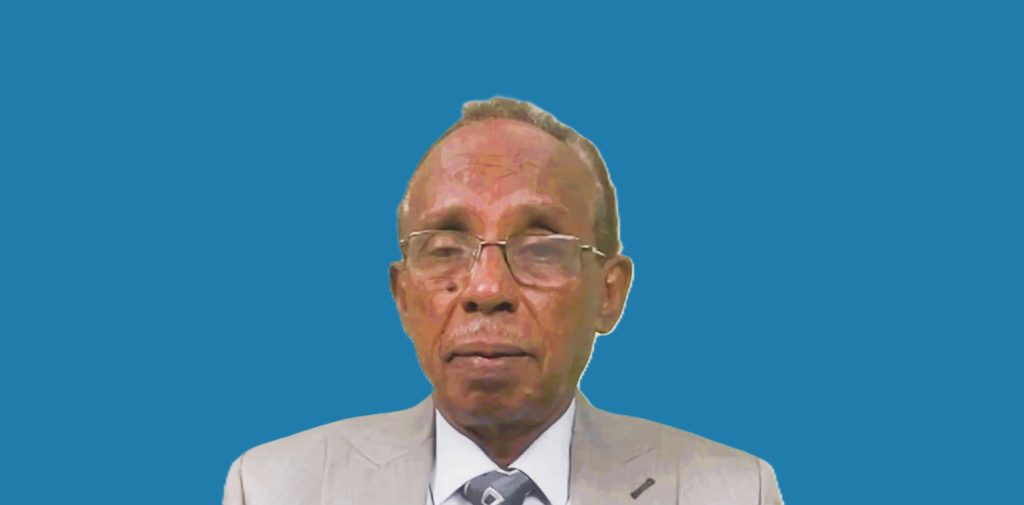
Sudanese journalist and political commentator Osman Mirghani has sharply criticised a newly announced agreement signed in Nairobi by a group of Sudanese civil, political and revolutionary forces, arguing that it avoids confronting the central role of General al-Burhan’s army (SAF) in driving and sustaining the war.
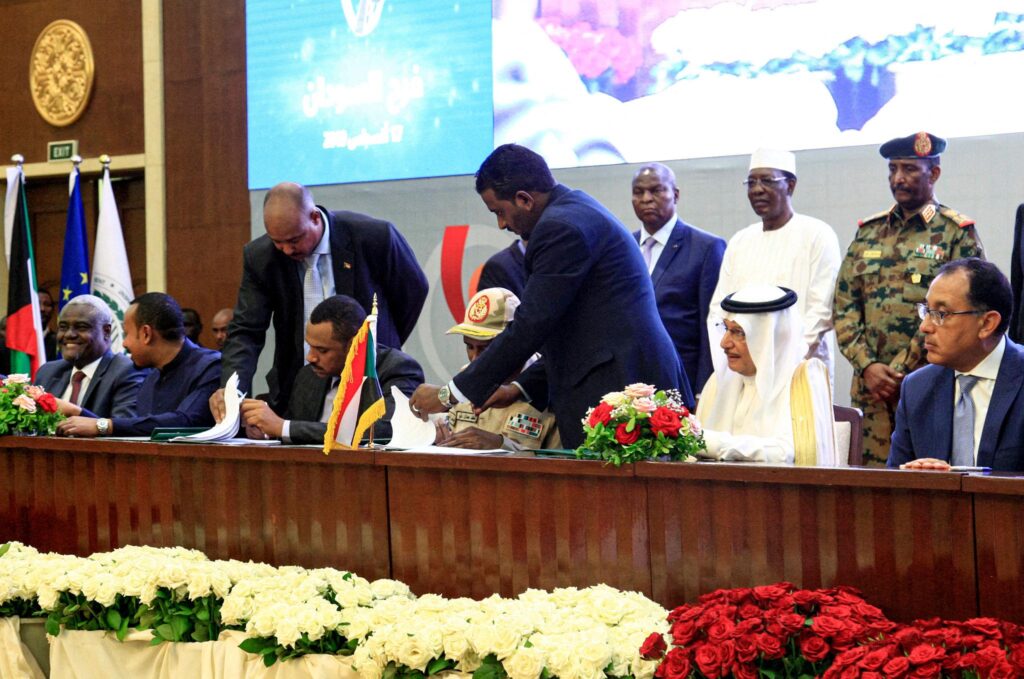
The agreement, signed in the Kenyan capital by several political blocs and national figures, outlines a declaration of principles calling for a new state based on equal citizenship, democracy and justice. It also includes a legal memorandum demanding the designation of the Islamist Movement, the former ruling party and their fronts as terrorist organisations.
Mirghani noted that such announcements have become familiar to Sudanese audiences, remarking that if the document were published without a date, many would assume it belonged to an earlier phase of the crisis, whether before the revolution, during the transition, after the October 2021 coup, or following the outbreak of war in April 2023.
A repeated cycle that avoids accountability
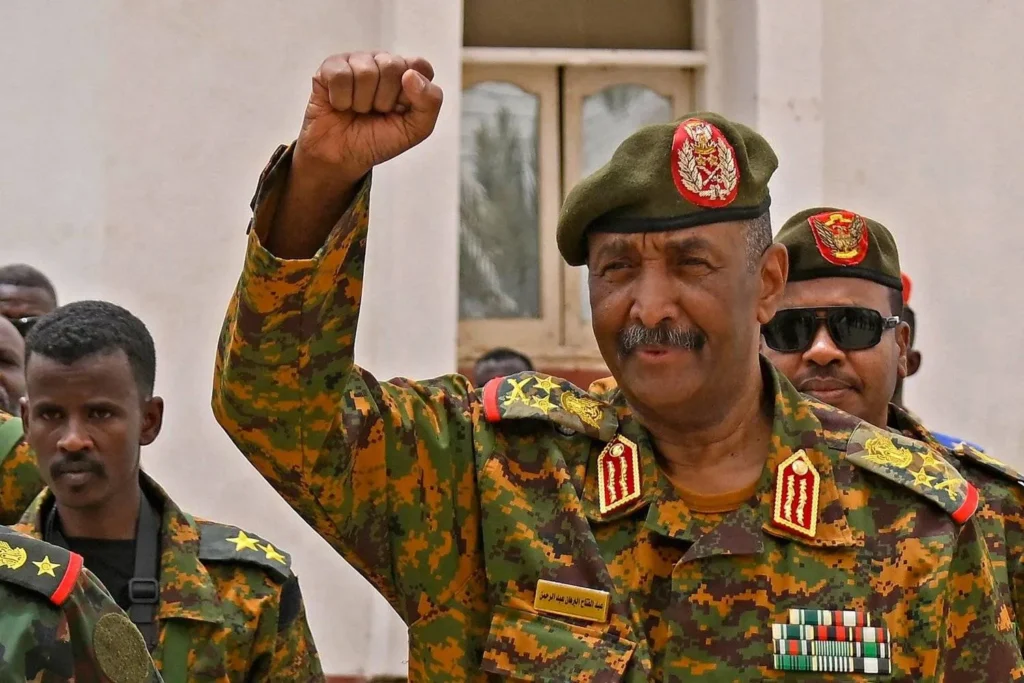
Mirghani argued that Sudanese political forces have developed a habit of issuing declarations and charters in foreign capitals, while carefully avoiding direct confrontation with SAF, the dominant military actor controlling decision-making on war and peace.
According to him, locations change, from Nairobi to Addis Ababa to Geneva, but the substance remains the same: statements that condemn war in abstract terms while failing to address the military institution that initiated the conflict, expanded it and continues to block any serious path to de-escalation.
Symbolism over substance
He questioned what practical impact such agreements have, pointing out that Sudanese politics has become detached from measurable outcomes. Public attention, he said, is often consumed by images of meetings, conferences and international appearances circulated by media, while SAF continues to impose military solutions and suppress any genuine civilian alternative.
Mirghani stressed that most political documents are treated as ceremonial acts that end once signatures are collected, with no mechanisms to challenge SAF’s dominance, no pressure strategy, and no plan to curb the army’s economic, political and security grip over the state.
A political culture shaped by fear of SAF
He argued that this reflects a deeper crisis within Sudan’s political culture: an unwillingness to name SAF as a primary obstacle to peace. Instead of demanding accountability from the military leadership, political actors settle for vague slogans that do not threaten the balance of power imposed by force.
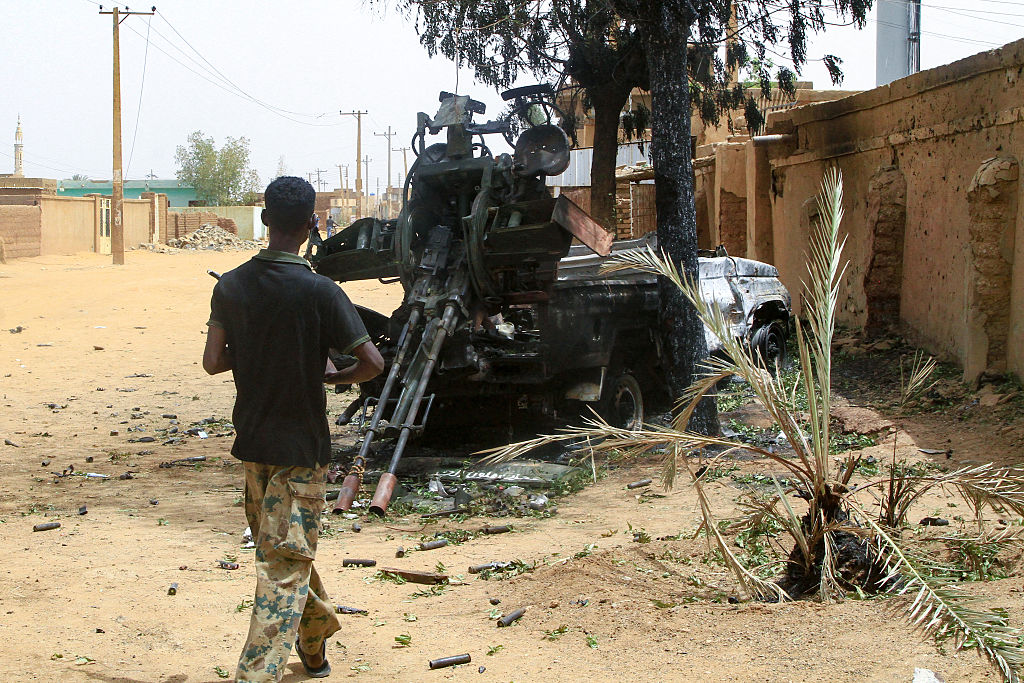
According to Mirghani, the belief that signing papers alone can end the war allows SAF to continue operating without scrutiny, while civilians absorb the cost in lives, displacement and state collapse.
An anti-war label without a roadmap
While some signatories described the Nairobi agreement as the largest anti-war coalition to date, Mirghani questioned how such a coalition could succeed without directly challenging SAF’s refusal to relinquish control or accept a civilian-led transition.
He warned that branding an initiative as “anti-war” loses meaning when it fails to articulate how SAF will be pressured, constrained or removed from its role as both a political actor and a war party.
No breakthrough without confronting the army
Mirghani concluded that Sudan does not suffer from a shortage of documents, but from a shortage of political courage. Ending the war, he argued, requires a real break with past patterns and a willingness to confront SAF’s monopoly over violence, resources and national decision-making.
Until political forces demonstrate the resolve to challenge the military institution driving the conflict, he said, Sudan will remain trapped in cycles of declarations that change nothing, while the war continues unchecked.