Muslim Brotherhood–linked figures have emerged at the centre of incendiary rhetoric in Sudan, as videos show escalating incitement against civilian political leaders during the war.
The footage raises urgent questions about who benefits from prolonged fighting and how the conflict is reshaping Sudan’s post-revolution political order.
The timing is especially dangerous, with hopes for a political settlement fading as polarisation deepens and the social toll of war intensifies.
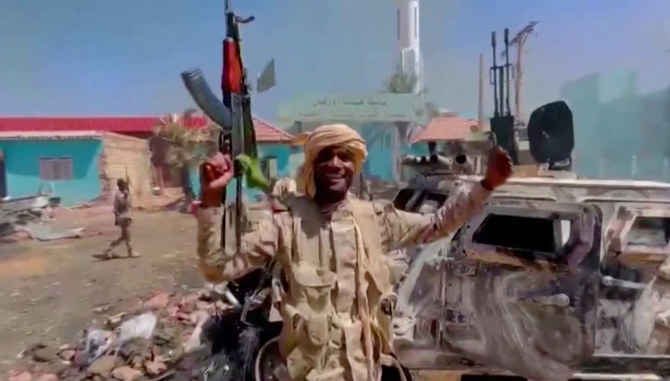
Videos show military figures threatening civilians, while armed groups urge local communities to confront revolutionary leaders through intimidation and fear.
Observers say the pattern reinforces accusations that Islamist-aligned networks are exploiting the war to undermine the 2019 revolution and regain influence within state institutions.
Public incitement has coincided with arrests of peaceful activists and prosecutions carrying death sentences, signalling systematic targeting of civilian forces.
Analysts argue that tolerating violent rhetoric while criminalising dissent exposes selective justice and alliances between military leaders and armed groups.
Legal experts describe this approach as a clear violation of Sudanese and international law, which protects free expression and criminalises incitement to violence.
As arrests mount and rhetoric hardens, civilians continue to bear the heaviest cost, while prospects for halting Sudan’s accelerating collapse steadily diminish.