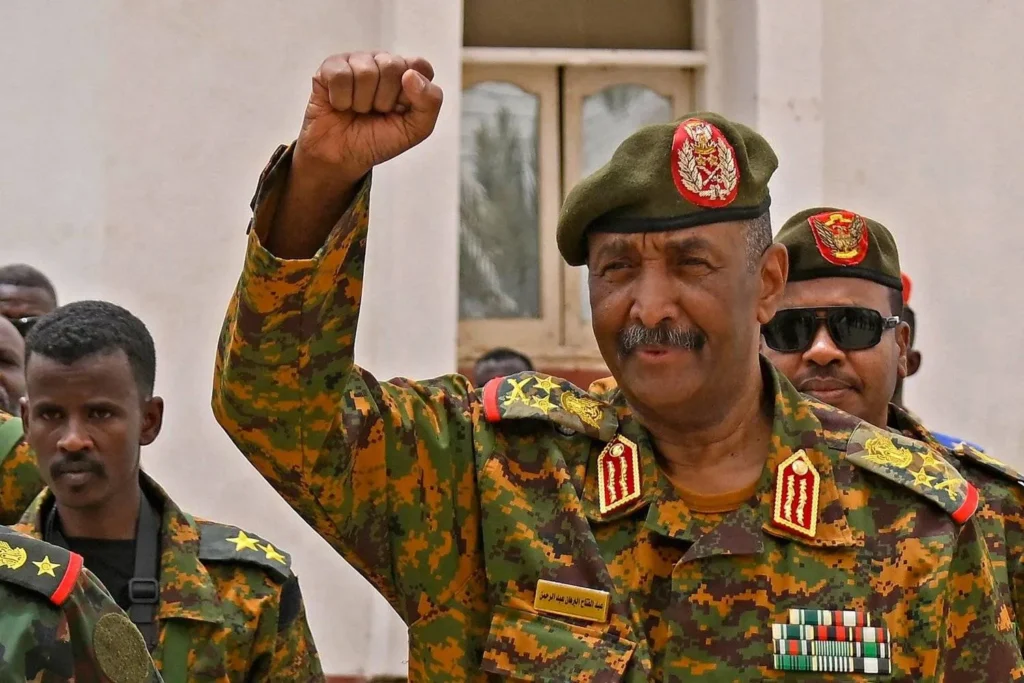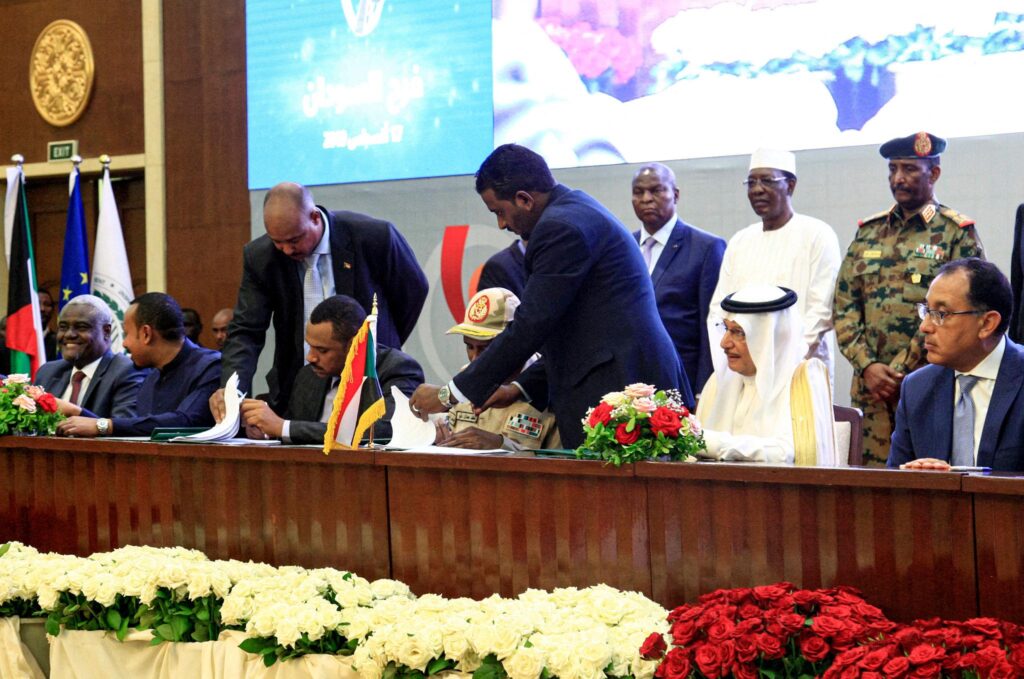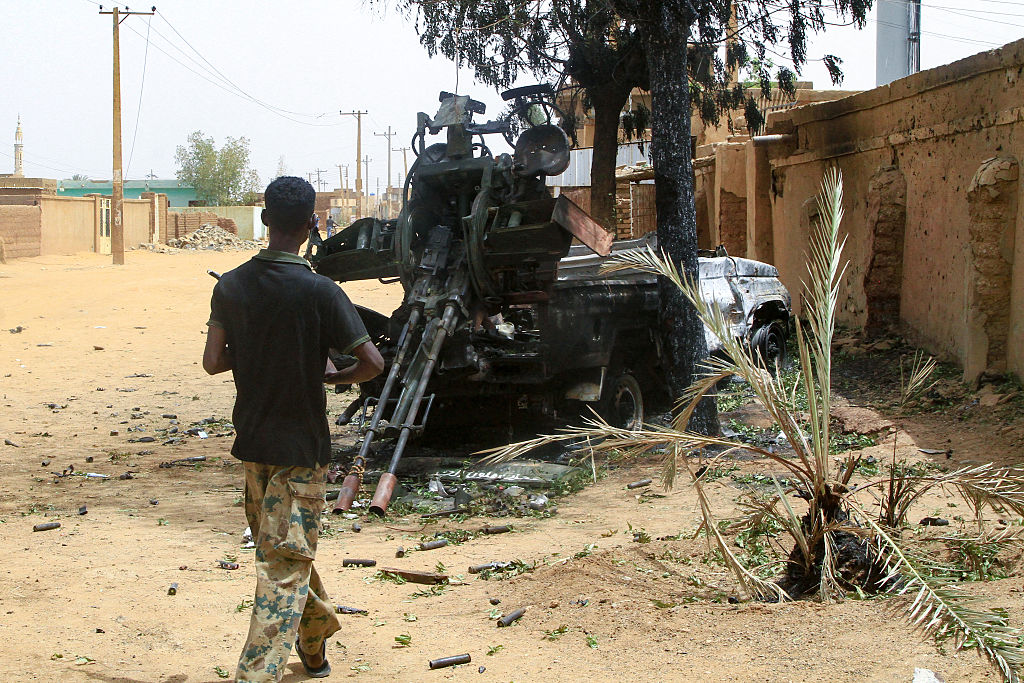
Senior figures within the Muslim Brotherhood have escalated their rhetoric with explicit threats targeting Sudanese civilians, regional countries, and the United States, amid growing public anger and accusations that the group is deepening Sudan’s crisis by reviving the extremist practices that defined its rule after seizing power in 1989.
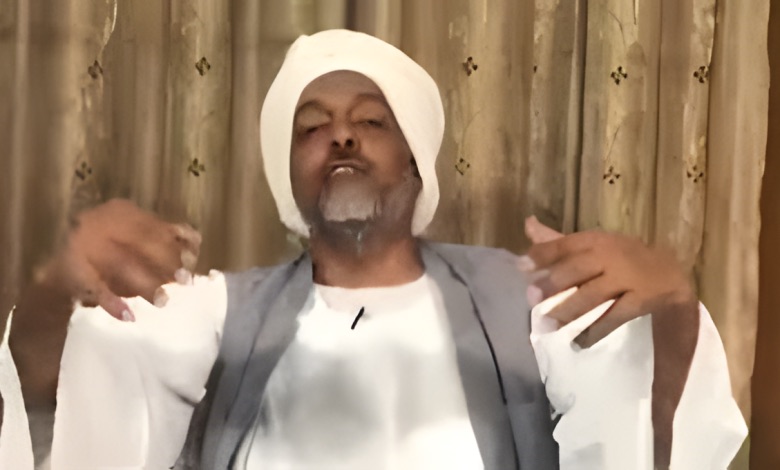
The latest threats emerged days after a retired officer affiliated with the Brotherhood warned of attacks against six countries in the region. In a separate incident, Brotherhood figure Al-Naji Abdullah publicly threatened to attack the White House, while another senior leader, Yasser Obeidallah, issued death threats against Sudanese civilians who led the 2019 popular uprising that overthrew former president Omar al-Bashir.
Observers say the statements underscore the group’s continued reliance on General al-Burhan’s army (SAF) and its rejection of civilian political movements.
In a widely circulated video, Al-Naji Abdullah — known as the “Emir of Tanks” during the South Sudan war in the 1990s — declared: “Our wish is to open fire in the White House… Just as US President Donald Trump and his intelligence agencies are lying in wait for us, we will fight him and his intelligence inside the White House.”
In a separate recording, former Sudanese security officer Maj. Gen. Abdel-Hadi Abdel-Basit acknowledged the organization’s role in external targeting operations, claiming that it possesses the “capabilities” to harm multiple countries in the region.
The statements coincided with discussions in the US Congress, where speakers linked Sudan’s ongoing conflict to the continued influence of the Muslim Brotherhood and its allies within the military establishment.
Since the outbreak of war in April 2023, analysts have repeatedly warned of ties between Brotherhood-aligned factions supporting the Sudanese army and foreign extremist networks. Sudan’s past under Islamist rule included hosting al-Qaeda leader Osama bin Laden in the early 1990s, granting passports to extremist operatives, and involvement in major international attacks, including the attempted assassination of former Egyptian president Hosni Mubarak in Addis Ababa in 1995, the 1998 bombings of US embassies in Kenya and Tanzania, and the 2000 attack on the USS Cole.
In an audio message, Yasser Obeidallah accused civilian groups and the so-called Quad countries of acting on behalf of foreign powers, stating: “Our choice is death… No Quartet or Quintet will grant you entrance.”
The threats followed earlier remarks by a tribal leader in eastern Sudan who warned of opening Red Sea ports to Russia as a means of targeting the United States.
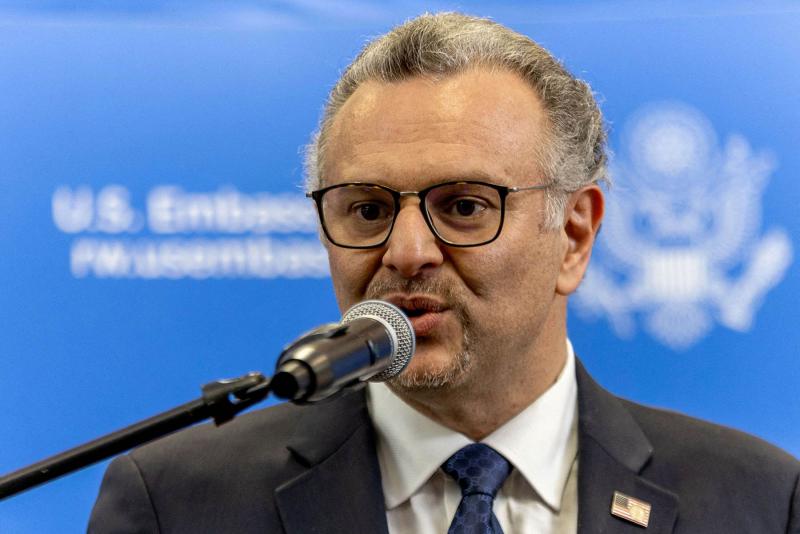
At a US congressional hearing last Friday, Ken Isaac — a former US presidential candidate and former head of the International Organization for Migration — said Sudan’s crisis is rooted in “Islamic extremism that has controlled the country since 1989.”
Isaac accused the Muslim Brotherhood and its political wing, the National Congress Party, of responsibility for decades of war and terrorism, describing the movement’s ideology as comparable to that of Hezbollah and al-Qaeda. He urged the US administration under President Donald Trump and Secretary of State Marco Rubio to intensify efforts to designate the Muslim Brotherhood as a foreign terrorist organization.