Authorities aligned with the “Tasis” government have announced practical steps to establish a new financial system in areas under their control in Darfur, aiming to ease chronic cash shortages and stabilise daily transactions for civilians.
According to media, the initiative involves setting up a financial exchange named “Al Mustaqbal”, designed to function as a modern alternative to traditional banking under wartime conditions. Mohamed Idris Khater, head of the civil administration in East Darfur, said a meeting was held in Al Daein with the committee overseeing the project in areas controlled by the Rapid Support Forces. The meeting discussed plans to open a branch in one of Darfur’s cities and mechanisms for operating it effectively.
Khater said the initiative is focused on reducing dependence on cash and addressing the severe liquidity crisis that has disrupted trade and remittances. He explained that the project is not intended to create a conventional bank, but rather a semi electronic financial exchange, with around 60 percent of transactions conducted digitally to improve efficiency and security.
He added that the project is awaiting a presidential decision from the “Tasis” government, expressing optimism that it will significantly reduce the hardship faced by citizens when sending and receiving money, especially families separated by war and displacement.
Measured optimism
While some economists have raised concerns, supporters of the initiative argue that it represents a realistic and necessary response to the economic collapse caused by the war. They say local administrations in RSF controlled areas are being forced to innovate in the absence of functioning national institutions.
Commentators note that continued use of the Sudanese pound reflects economic pragmatism rather than weakness, ensuring access to goods from other parts of the country and maintaining trade flows. They add that gradual digitalisation of transactions could help restore confidence, limit cash hoarding, and improve transparency at the local level.
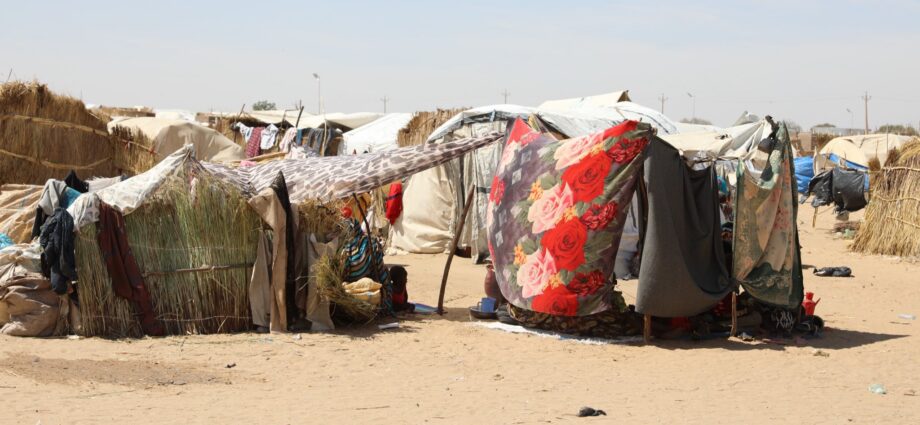
The move comes amid deepening economic hardship in Darfur since the outbreak of the war in 2023, with markets disrupted and banking services largely absent. Local authorities say the new financial exchange is a step towards restoring normal economic life and protecting civilians from the worst effects of the conflict.