Nine nations on Tuesday voiced “grave” concern over recent violence in South Sudan’s Jonglei and Eastern Equatoria states. Canada, France, Germany, Japan, the Netherlands, Norway, Switzerland, the UK, and the US urged all parties to agree to an immediate cessation of hostilities.
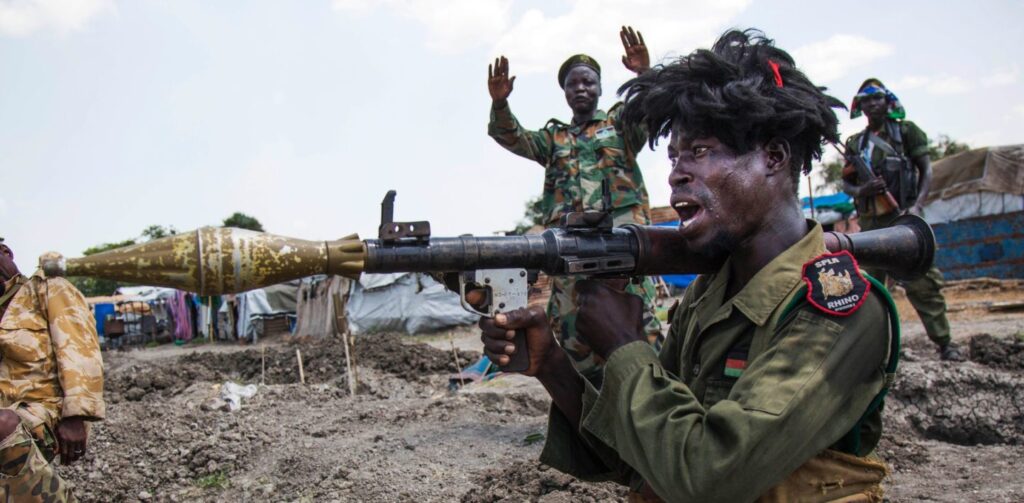
The embassies called for disputes to be resolved through peaceful dialogue and insisted that humanitarian aid reach civilians without obstruction. The joint statement, posted on social media by Germany’s embassy, followed clashes between the South Sudanese army and the SPLM-In Opposition.
The UN mission in South Sudan warned earlier that fighting between main peace agreement parties causes “immense harm,” including aerial bombardments of civilian areas. South Sudan gained independence from Sudan in 2011 after a historic referendum, becoming the world’s youngest nation amid high hopes for stability.
Yet the country has faced persistent turmoil since December 2013, when President Salva Kiir accused Vice President Riek Machar of plotting a coup. Peace deals in 2018 and 2022 brought temporary hope, but instability continues to shadow the nation’s fragile governance.
In February, the White Army militia, mostly Machar’s Nuer ethnic group, seized a town in Upper Nile State, escalating tensions further. Authorities responded by detaining several generals and ministers affiliated with Machar’s SPLM-In Opposition, intensifying political uncertainty.
Opposition leader Machar and others face serious charges, including murder, treason, crimes against humanity, and incitement of violence in Nasir County. They are also accused of conspiracy, financing terrorist activities, and destroying public and military property, deepening divisions across the country.
The international community continues to call for dialogue, warning that renewed violence could unravel fragile peace and worsen humanitarian suffering. South Sudan’s journey toward stability remains fraught with historic grievances, ethnic tensions, and power struggles that challenge national reconciliation. The nine nations stressed that only adherence to peace agreements and respect for human rights can prevent further devastation.