A New York Times investigation has uncovered video evidence suggesting Egyptian military munitions may have been used in deadly airstrikes against Sudanese gold miners, adding new weight to allegations of Egyptian involvement in the October 10 attacks.
Footage examined by the newspaper appeared to show an unexploded Egyptian-made NASR 400 bomb among the remnants of the bombardment near Sudan’s northern border.
Trevor Ball, a former US Army explosive ordnance disposal technician who analysed the footage for the Times, identified the object as resembling an Egyptian NASR 400 aerial bomb.
The finding provides a potentially significant new piece of evidence in an incident that Sudanese rights organisations have blamed on Egyptian warplanes. However, the identification alone does not conclusively establish which aircraft carried out the strikes.
Video evidence and eyewitness accounts
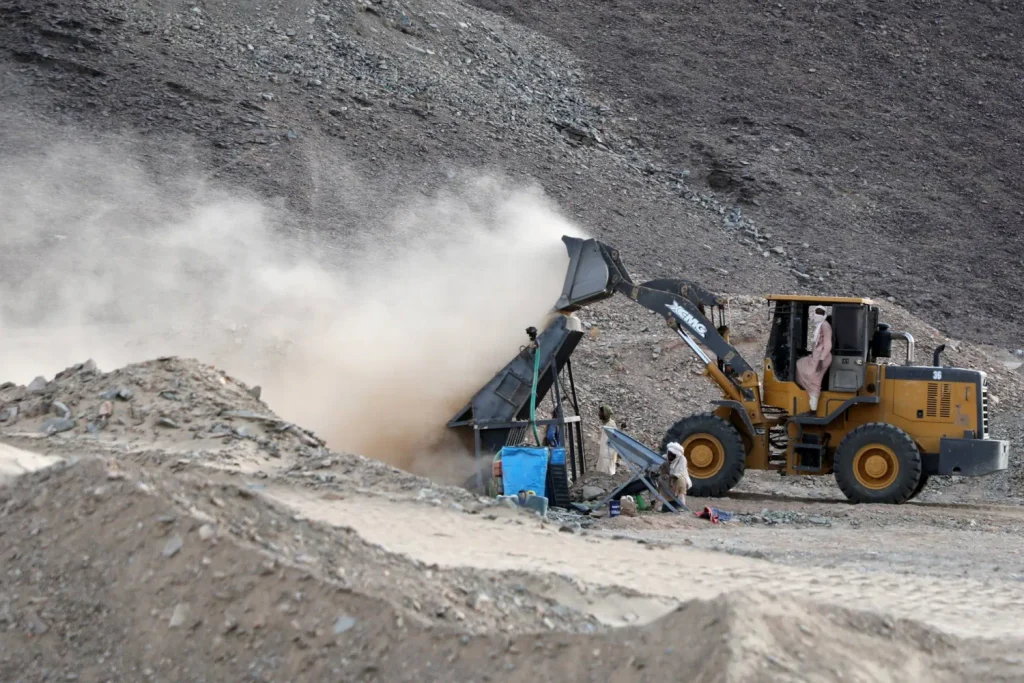
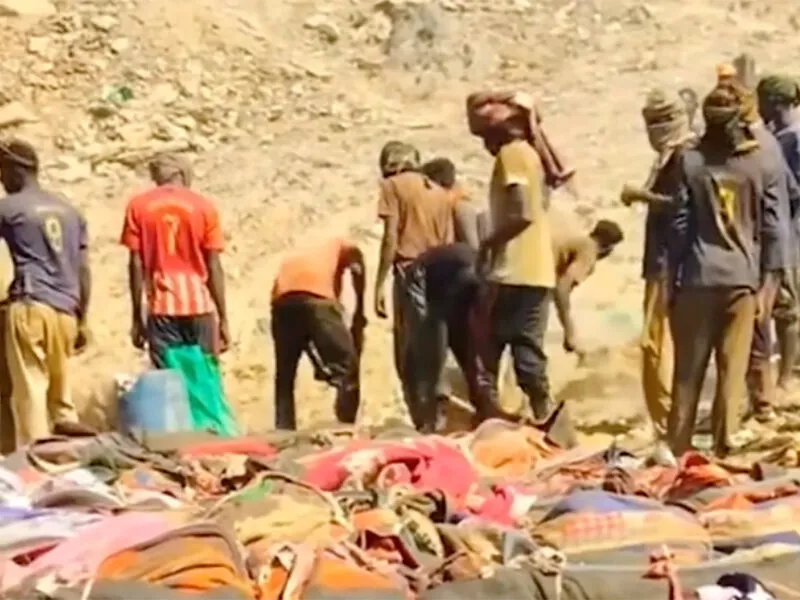
The investigation, published on Monday, October 12, drew on videos recorded by miners, eyewitness interviews and analysis of footage showing the aftermath of attacks on remote gold-mining settlements.
The Times said it established that the videos had not appeared online before Saturday’s strikes and that geographical features visible in different recordings were consistent with one another.
However, the newspaper could not conclusively establish the precise coordinates of the attacks.
One witness, Bahar Eldin Hassan, described fighter jets and helicopters repeatedly flying over the mining area before warplanes allegedly launched at least three strikes within approximately an hour.
Another survivor, 26-year-old university student Saifeldin Adam, described helping evacuate wounded workers and recover victims.
The Emergency Lawyers rights group reported at least 72 deaths, while two witnesses interviewed by the Times estimated at least 65 people had been killed and more than 120 wounded.
The Sudan Founding Alliance (TASIS) previously reported more than 200 deaths, while the Sudan Doctors Network initially recorded 13 fatalities and 28 injuries. The different estimates remain unverified and have not been reconciled.
Egypt confirms military campaign
The new evidence emerged as Egypt’s military confirmed that it was conducting the third phase of a major security campaign against unauthorised gold mining in its Eastern Desert.
In a statement issued Monday, military spokesman Colonel Ahmed Etman said Egyptian armed forces and police were conducting operations against what authorities described as criminal networks involved in illegal mineral extraction.
The military said warning leaflets had been distributed and maintained that its operations were intended to enforce Egyptian sovereignty within the country’s borders.
The statement did not acknowledge conducting airstrikes inside Sudan or accept responsibility for the reported civilian deaths.
Egyptian authorities also warned against misinformation that could damage relations between the Egyptian and Sudanese peoples.
Previous Egyptian military involvement
The Times investigation comes months after the newspaper reported the existence of a secret drone facility in Egypt supporting military operations by Sudan’s army.
That earlier investigation identified an installation at East Oweinat, where advanced drones were reportedly operating in support of Sudanese military campaigns.
The Sudan Times previously reported those findings, which raised questions about the extent of Egyptian involvement in Sudan’s war.
The latest incident differs from conventional military operations against opposing forces because the reported victims were civilian gold miners working in an area far from the main conflict front lines.
Burhan orders investigation
Sudanese army chief Abdel Fattah al-Burhan ordered an investigation on Monday following growing public anger over the reported killings.
The military-aligned authorities in Port Sudan said representatives of the judiciary, public prosecution and security agencies would examine the incident.
Burhan’s administration has not publicly identified those responsible for the bombardment, despite mounting accusations against Egypt, one of the Sudanese military’s closest regional allies.
A previous investigation announced after similar attacks against Sudanese miners in June has yet to produce publicly disclosed findings.
The New York Times findings now place additional scrutiny on the identity of the aircraft, the origin of the munitions and whether the strikes crossed into Sudanese territory.
Determining those facts remains central to demands for an independent investigation and accountability for the civilian deaths.