A video showing the public flogging of an elderly man in Omdurman has triggered widespread anger in Sudan, renewing scrutiny of the SAF-allied Joint Force and the expanding role of armed formations operating outside any credible civilian oversight.
The footage, reportedly filmed on Al-Wadi Street in Omdurman, appears to show men said to be affiliated with the Joint Force beating the elderly man in public. The incident sparked condemnation from activists and rights advocates, who said it reflected the dangers faced by civilians in areas controlled by forces loyal to the Port Sudan authorities and their military allies.
No official authority had issued a statement or clarification on the incident at the time of writing.
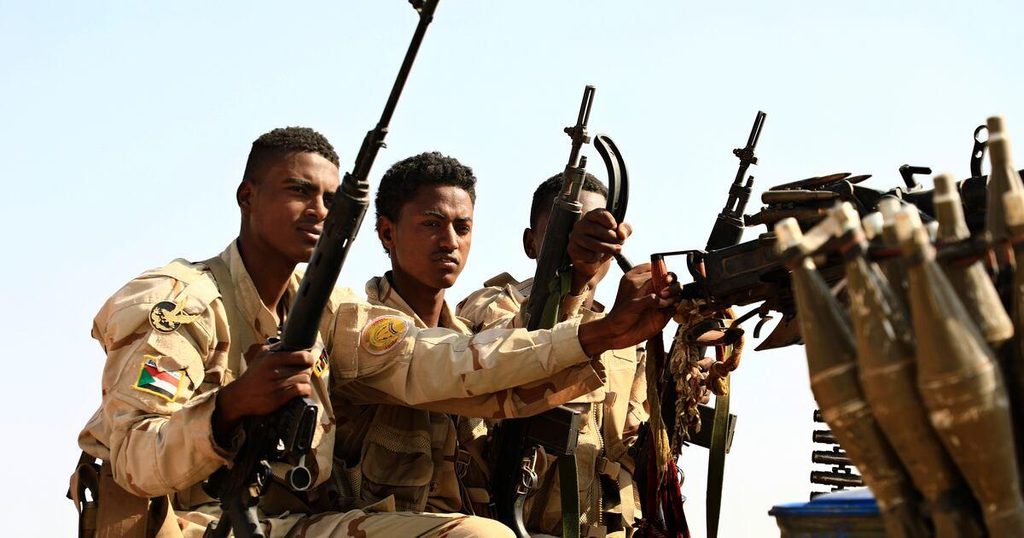
The Joint Force is composed mainly of Darfur armed movements that were originally formed under security arrangements linked to the Juba peace process. However, key factions later abandoned neutrality in Sudan’s war and aligned themselves with General al-Burhan’s army (SAF), including groups led by Minni Minawi and Jibril Ibrahim. Their presence has made the force part of the wider SAF-aligned security structure, rather than an independent civilian protection body.
Rights activists said the Omdurman video illustrates the danger of allowing armed groups to perform security roles without transparent command structures, legal oversight or accountability. Critics say repeated allegations against some Joint Force elements have deepened public fear, particularly in areas where civilians are already living under heavy militarisation.
The incident comes amid growing concern over abuses by armed actors operating under the cover of wartime security arrangements. Activists say complaints from civilians are not limited to physical assaults, but also include accusations of interference in civilian life, pressure on economic activity and the imposition of measures outside recognised legal frameworks.
These allegations require independent and transparent investigations to determine responsibility and hold perpetrators accountable if wrongdoing is confirmed.
Political and rights groups have long warned that the existence of multiple armed centres of power weakens the rule of law and creates an environment where abuses can occur with little consequence. They argue that forces aligned with the SAF command should not be allowed to carry out policing, punishment or detention outside the judicial system.
The Omdurman incident has therefore become more than a single case of alleged abuse. For many Sudanese, it raises a wider question about the conduct of SAF-allied forces and the failure of the Port Sudan authorities to place all armed groups under clear legal and institutional control.
Observers warn that repeated scenes of civilians being humiliated or assaulted could further erode public trust, especially as millions of Sudanese endure displacement, economic collapse and the humanitarian consequences of war. They say civilians need protection, courts and accountable institutions — not field punishments carried out by armed men in public streets.
Security analysts argue that delayed security arrangements must be addressed urgently, including the removal of armed formations from civilian policing roles and the creation of a professional, unified security system governed by law. Until that happens, they warn, Sudan will remain trapped in a cycle where military alliances override civilian rights.
The Omdurman case has revived urgent questions about the relationship between citizens and the armed groups now operating alongside the SAF. It also highlights the inability or unwillingness of the Port Sudan authorities to prevent abuses by forces aligned with their war effort.
With public anger already rising, observers fear that repeated incidents of abuse could fuel wider unrest if accountability remains absent and civilian complaints continue to go unanswered. Restoring public trust, they say, requires immediate investigation, transparency and a clear end to the use of armed groups as informal security forces.