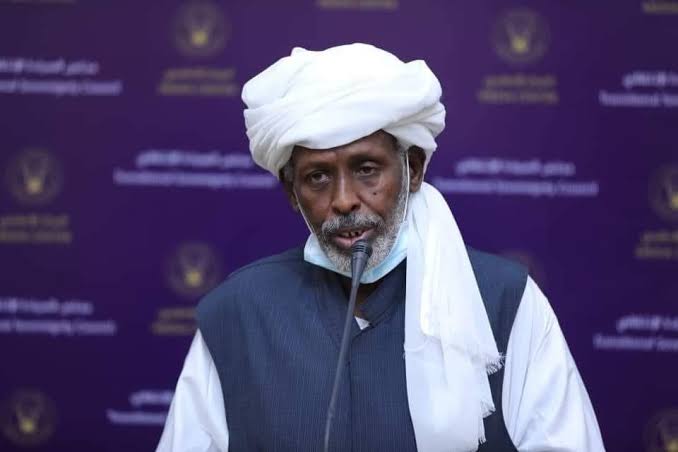
Sudanese writer and political commentator Tariq Khater has accused the Port Sudan authorities of placing military and political calculations above the safety of civilians in El Obeid, as concerns grow over a possible expansion of fighting around the strategically important North Kordofan city.
In an analysis published by Al-Rakoba, Khater argued that residents must be allowed to leave El Obeid voluntarily if they believe the conflict poses a threat to their lives and families.
He said the central issue was whether civilians would be granted the freedom to choose between remaining in the city and moving to safer areas.
Khater maintained that international humanitarian law requires parties to armed conflicts to take all feasible measures to reduce harm to civilians, including facilitating voluntary evacuations and establishing safe humanitarian corridors where necessary.
“Civilians are not part of the battle and should not be turned into tools in the conflict between the warring parties,” he argued.
El Obeid has become an increasingly important centre of the Sudanese conflict because of its strategic location, which connects several parts of the country, as well as its large civilian population.
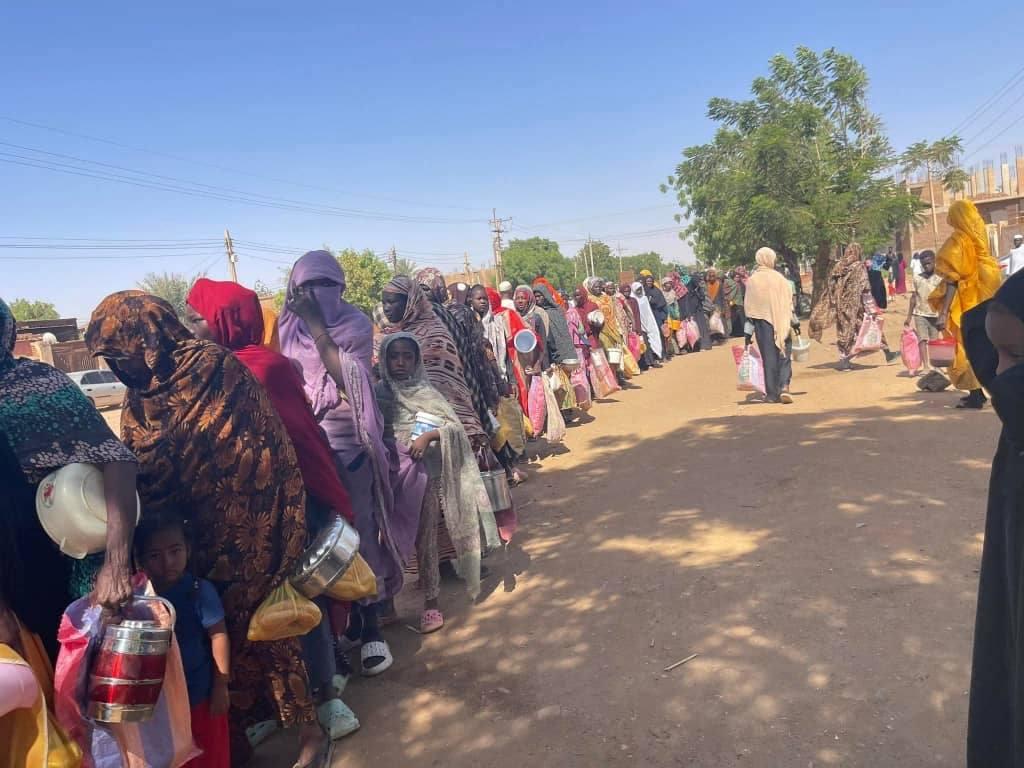
Fears have mounted that an escalation of military operations could expose residents to further displacement, shortages and civilian casualties.
Khater said the Rapid Support Forces and the TASIS alliance had publicly expressed readiness to cooperate in opening humanitarian corridors for residents who wished to leave the city.
He argued that such proposals should be assessed on their ability to protect civilians rather than rejected solely because they were advanced by one side in the conflict.
According to Khater, the Port Sudan authorities have continued to oppose arrangements for civilian departures, despite reports that some residents seeking to leave El Obeid have encountered restrictions.
He said this raised serious questions about whether the continued presence of civilians inside the city was being treated as a military or political asset.
Khater questioned why humanitarian corridors were being portrayed as a security threat rather than as a precaution intended to save lives.
He argued that cities in Sudan’s war had become more than military positions, taking on significant political, symbolic and media value for the warring parties.
A populated city, he said, carries greater political weight than one whose residents have already fled, while the presence of large numbers of civilians can complicate the calculations of an advancing force.
Khater alleged that the Port Sudan authorities could be seeking to keep civilians in El Obeid in the expectation that any casualties resulting from future fighting would be blamed on the RSF and TASIS.
He pointed to previous battles in which civilian deaths and reported abuses became part of the propaganda struggle between the rival sides, including during the conflict over El Fasher.
The commentator said that if the Sudanese army and its allied Islamist brigades believed humanitarian corridors would create genuine security risks, they should explain those concerns publicly.
They should also provide a practical alternative that allows civilians to move safely away from areas threatened by fighting, he added.
Khater noted that international humanitarian organisations have repeatedly warned that the presence of large civilian populations in active conflict zones increases the risk of casualties and limits the military options available to combatants.
Voluntary evacuations and humanitarian corridors are widely recognised as possible measures for reducing civilian suffering, provided that departures are voluntary, safe and free from coercion.
Khater stressed that civilians who fear for their lives should not be forced to remain inside a war zone because of decisions over which they have no influence.
He accused the Port Sudan authorities of undermining their own claims of protecting the population by rejecting humanitarian initiatives without offering credible alternatives.
“Civilian protection is not achieved through slogans or speeches,” he wrote, arguing that it requires access to food, medicine and safety, as well as the right to move away from danger.
Khater said cooperation on humanitarian corridors could have reduced pressure on El Obeid, lowered the likelihood of civilian casualties and demonstrated to regional and international actors that Sudanese lives were being prioritised over military interests.
Instead, he argued, the Port Sudan authorities appeared to be continuing to place the logic of war above the pursuit of peace.
Khater concluded that El Obeid was approaching a highly sensitive crossroads and called for residents to be guaranteed the right to remain or leave freely.
He also urged the parties to allow humanitarian organisations to operate without obstruction and warned against turning the city’s population into hostages in a conflict whose heaviest price continues to be paid by civilians.