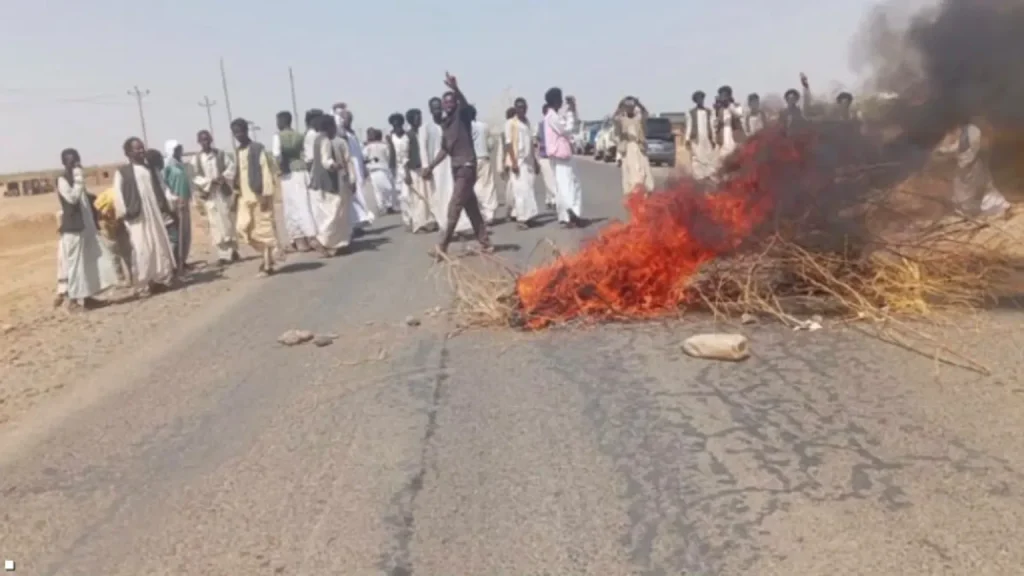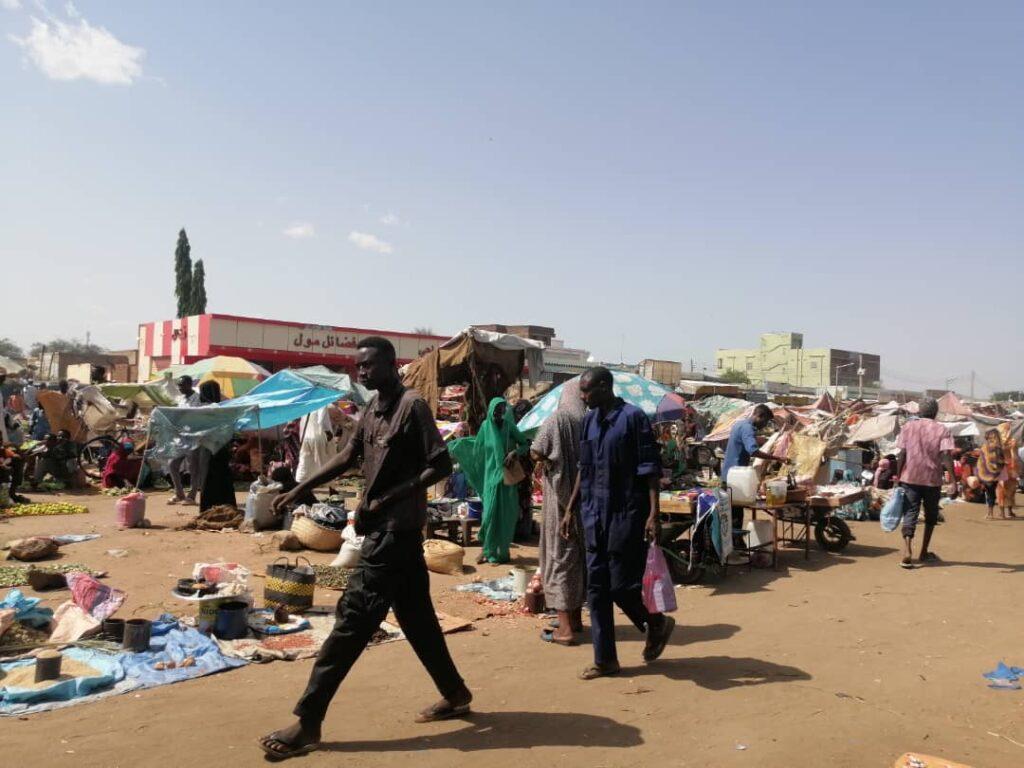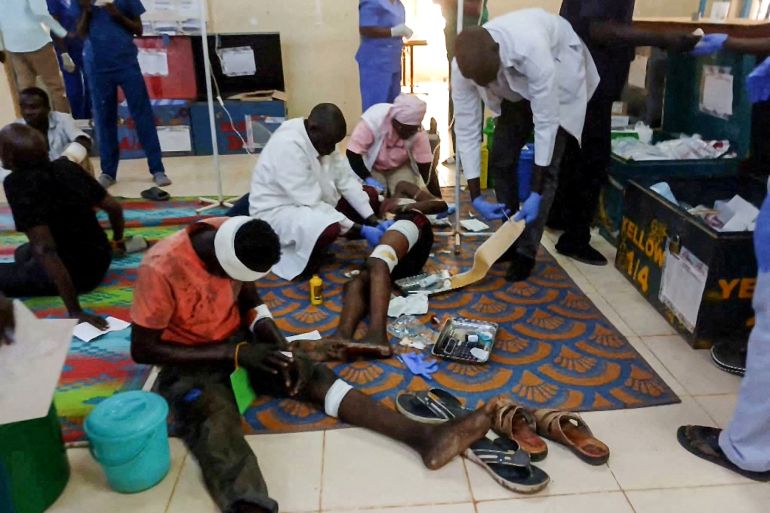
Sudan’s military-backed government has denied allegations that its armed forces carried out deadly drone strikes on markets in the disputed Abyei region, where local officials say at least 153 civilians were killed.
The denial, issued by the Foreign Ministry late Thursday, follows accusations from South Sudan that the Sudanese Armed Forces (SAF) were responsible for the October 19 attacks on Amiet Market and the nearby Todach area.
South Sudan summoned Sudan’s ambassador in Juba to protest the strikes, which sparked devastating fires and left dozens of civilians injured.
In its statement, the Port Sudan authorities expressed regret over the civilian deaths and offered condolences to victims’ families while categorically rejecting any military involvement.
The ministry instead sought to link the attack to alleged crimes committed by the Rapid Support Forces (RSF), drawing comparisons with a December 2025 strike in Kadugli that killed Bangladeshi United Nations peacekeepers.
However, the authorities provided no publicly verifiable evidence establishing RSF responsibility for the Abyei attacks.
Death toll reaches at least 153
The United Nations has confirmed at least 80 deaths and 27 injuries from the October 19 strikes, although local authorities have reported significantly higher casualties.
Yohana Akol Ngor, information minister in Abyei’s caretaker administration, said the death toll had reached 153, warning that the figure could increase as rescue teams continued searching for missing people.
Ngor has directly accused Sudan’s military of carrying out the attacks.
The United Nations has not formally identified those responsible, saying further investigation is required to establish the circumstances surrounding the bombings.
UN peacekeepers step up security
The United Nations Interim Security Force for Abyei (UNISFA) has intensified security patrols following the attacks, which caused extensive destruction at Amiet Market and surrounding areas.
Peacekeepers have deployed emergency medical teams, assisted in evacuating casualties and worked to contain fires triggered by the explosions.
UN Mine Action personnel are also assessing affected locations for unexploded ordnance that could threaten civilians returning to the area.
UNISFA spokesperson Antonette Miday said the mission had doubled patrols in vulnerable locations while maintaining contact with community leaders to discourage retaliatory violence.
UN Secretary-General António Guterres condemned the strikes and called for accountability, stressing that civilians and civilian infrastructure must be protected under international humanitarian law.
The United Nations has also urged Sudan and South Sudan to preserve Abyei’s demilitarized status and pursue dialogue to prevent further violence.
The disputed, oil-rich territory remains a longstanding source of tension between the two countries, with its final political status unresolved since South Sudan gained independence in 2011.