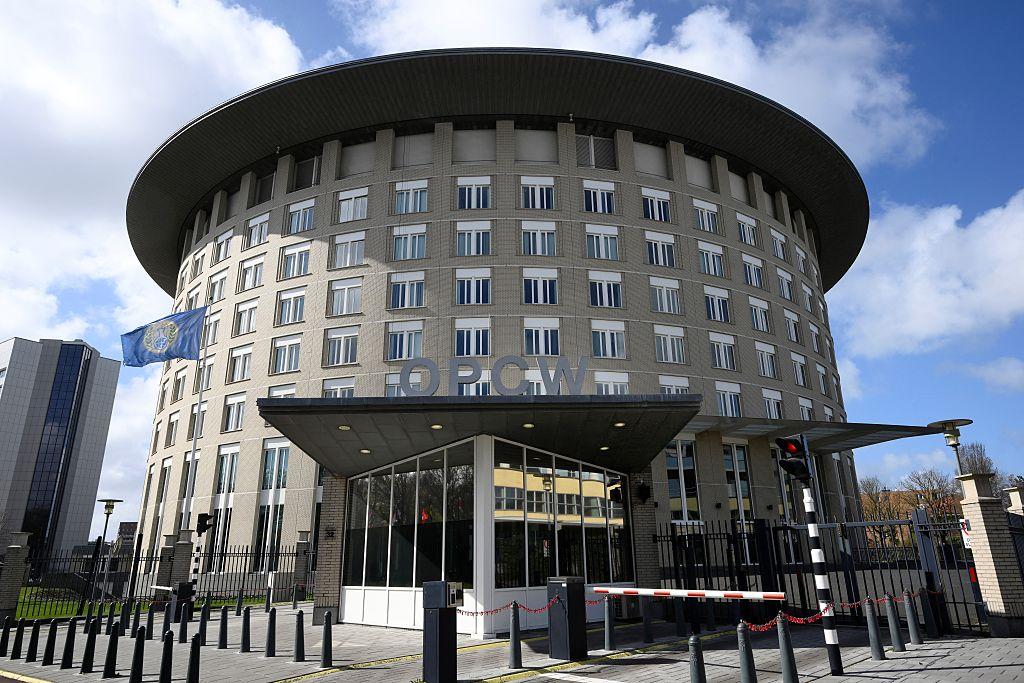
International pressure on Sudan’s army-aligned authorities intensified on Tuesday as allegations over the use of chemical weapons emerged as a prominent issue before the Organisation for the Prohibition of Chemical Weapons in The Hague, marking a significant new phase in a case that Port Sudan has repeatedly sought to dismiss.
The OPCW’s 113th Executive Council session opened in The Hague on October 6, with Director-General Sabrina Dallafior confirming that the organisation continues to closely monitor reports of chemical weapons use in Sudan and calling on member states to provide relevant information.
The intervention means the allegations surrounding Sudan’s war remain firmly inside the world’s principal international mechanism for dealing with chemical weapons, despite denials and domestic inquiries announced by the army-aligned Port Sudan authorities.
The European Union also renewed pressure on Sudan during the session, saying the OPCW Executive Council remains seized of the matter under Article IX of the Chemical Weapons Convention and calling for the allegations to be handled urgently, objectively and transparently.
While the Sudan file has previously been raised at the OPCW, its re-emergence at the opening of the latest Executive Council session represents an important development as international scrutiny of alleged chemical weapons use continues rather than fading from the agenda.
Erem News reported that allegations are increasingly focusing on forces aligned with the Port Sudan authorities, amid reports alleging the use of chemical agents including chlorine and the development of capabilities connected to chemical warfare during Sudan’s conflict.
The outlet reported that the issue has now moved beyond competing accusations between Sudan’s warring parties and into sustained international scrutiny over what substances may have been used, where they were deployed and who may ultimately bear responsibility.
The renewed pressure comes as demonstrations in Nyala have denounced the alleged use of chemical weapons by Sudan’s military and called for an end to the war, adding domestic pressure to a controversy that is increasingly being debated outside Sudan.
The Hague track dates back to June 2025, when Mauritania, Chad and Benin formally sought clarification from Sudan over reports of chemical weapons use, a move backed by Guinea-Bissau.
But the latest OPCW session demonstrates that Port Sudan’s responses have not closed the issue.
Instead, the allegations remain before the Executive Council while the OPCW Technical Secretariat says it continues monitoring information related to Sudan.
South Africa also raised the issue during Tuesday’s session, calling for allegations of chemical weapons use to be dealt with through impartial, objective and evidence-based processes.
Pretoria encouraged Sudan to cooperate with the OPCW and said technical assistance from the organisation could be sought where necessary.
The widening scrutiny is particularly significant because chemical weapons allegations carry consequences far beyond Sudan’s battlefield.
Use of toxic chemicals as weapons is prohibited under the Chemical Weapons Convention, and continued examination of the Sudan allegations leaves the army-aligned authorities exposed to further diplomatic pressure and potentially more serious international action should independently verified evidence establish violations.
Reports surrounding Sudan’s chemical weapons file have increasingly centred on allegations involving chlorine-based weapons and efforts to develop or stockpile chemical capabilities during the war.
Erem News said the accumulating allegations have shifted attention towards physical and documentary evidence — including questions over what substances were allegedly used, where attacks occurred and who authorised them.
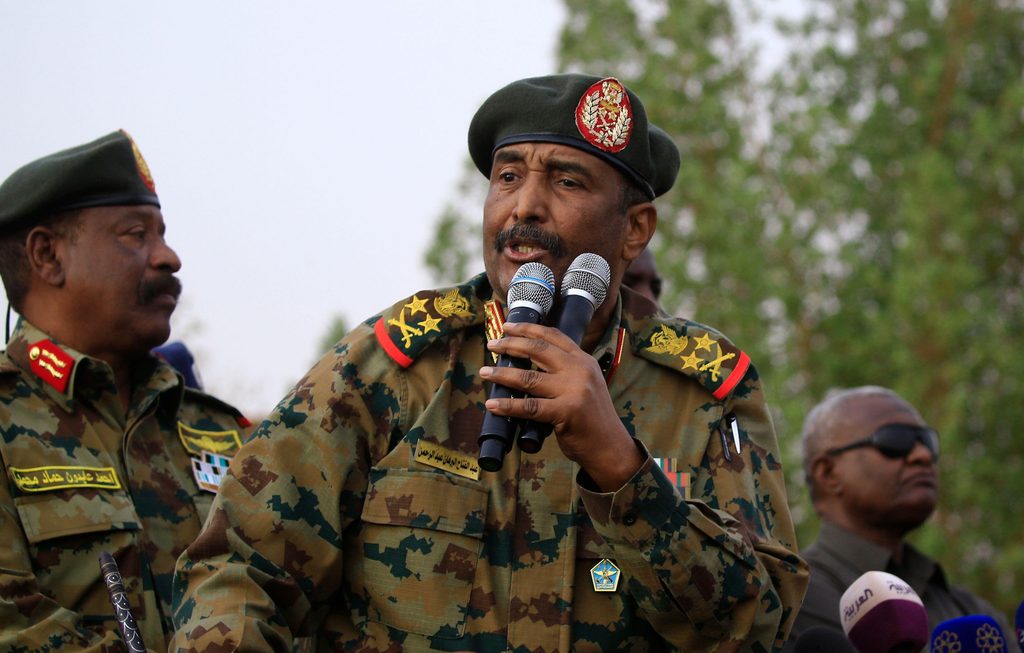
The controversy adds to existing international pressure on army chief Abdel Fattah al-Burhan and the military establishment.
The United States sanctioned Burhan in January 2025, citing atrocities committed by SAF forces under his leadership, including attacks on civilians and civilian infrastructure and executions of civilians. Washington had previously determined that members of the Sudanese Armed Forces committed war crimes during the conflict.
The chemical weapons allegations now present Port Sudan with a separate and potentially far-reaching international challenge.
What began as reports from Sudan’s battlefield has survived repeated denials, entered formal OPCW procedures and is again being discussed at the organisation’s highest executive body in The Hague.
And with its Director-General publicly confirming continued monitoring, the EU pressing Sudan for transparent answers and the Executive Council remaining seized of the case, Port Sudan has failed to put the chemical weapons controversy behind it.
Instead, the file is staying open — and the international pressure surrounding it is growing.