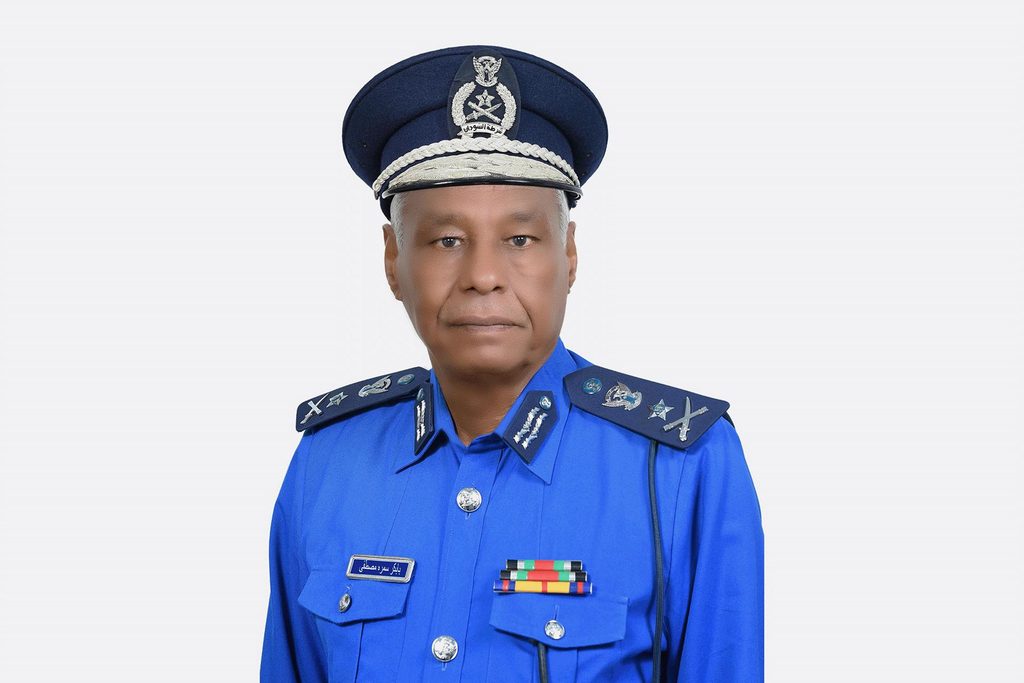
Sudan’s interior minister in the army-aligned Port Sudan administration has rejected a US-backed ceasefire proposal and criticised Washington’s approach to the country, saying the Sudanese army was making battlefield gains and that the war was nearing its end.
Lt Gen Babiker Samra Mustafa made the remarks during an interview with Russia’s RT while visiting Moscow, where he attended an international conference on countering extremist ideology. Russian authorities confirmed that Samra was in Moscow in late September and held talks with Russian Interior Minister Vladimir Kolokoltsev on security cooperation.
Samra said the proposed truce did not serve Sudan’s interests and insisted that the army-aligned authorities remained committed to the Jeddah Agreement as the framework for ending the conflict.
“The forces are making significant advances,” he said, claiming the fighting was approaching its conclusion. The battlefield assessment could not be independently verified.
His comments come as Washington presses for a 90-day ceasefire followed by political negotiations as part of a renewed effort to halt the war between the Sudanese Armed Forces and the Rapid Support Forces.
The proposal has faced strong resistance from army chief Abdel Fattah al-Burhan and officials aligned with the Port Sudan authorities. Reuters reported that Washington linked the issuance of a US visa for Burhan to acceptance of the ceasefire proposal.
Samra also attacked US-backed efforts to expand the existing UN arms embargo on Darfur to cover the whole of Sudan, arguing that the army-aligned authorities had the right to obtain weapons from any supplier they chose.
The United States has pushed for the broader embargo as part of efforts to increase pressure on the warring parties, although Russia and other Security Council members have opposed expanding the restrictions nationwide. The Security Council instead approved a temporary extension of the existing Darfur sanctions regime while negotiations continued.
Samra also criticised Washington over Burhan’s failure to attend the UN General Assembly in New York, describing the episode as Sudan being excluded from the gathering.
Sudan itself, however, was not excluded from the General Assembly. Foreign Minister Mohieldin Salem Ahmed Ibrahim travelled to New York, met senior UN and African Union officials and delivered Sudan’s address after Burhan did not receive a US visa.
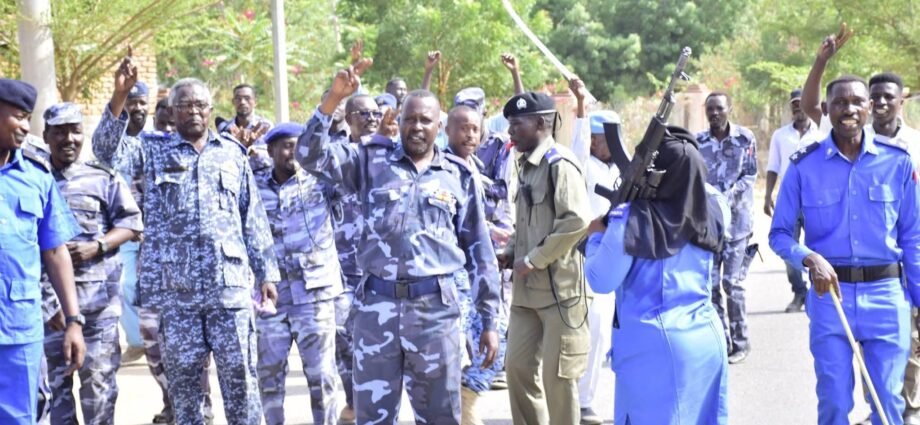
Turning to security conditions in Khartoum, Samra said police had returned to their headquarters following the army’s recapture of much of the capital and claimed that around 60 percent of displaced residents had returned to their homes.
He also said army-aligned authorities were working to restore public services and clear remnants of war from the capital. The figures on civilian returns were presented by the minister and were not independently verified.
Samra praised relations with Russia, saying Moscow could play an important role in Sudan’s reconstruction, while also thanking Egypt for humanitarian assistance.
His remarks underline the widening divide between Washington and the army-aligned Port Sudan authorities as international and regional actors intensify efforts to secure a ceasefire and launch a civilian-led political process to end more than three years of war.