The Somoud Alliance has intensified international pressure on the Organisation for the Prohibition of Chemical Weapons (OPCW), urging the body to launch a formal investigation into what it described as repeated use of chemical weapons by the SAF during the war in Sudan.
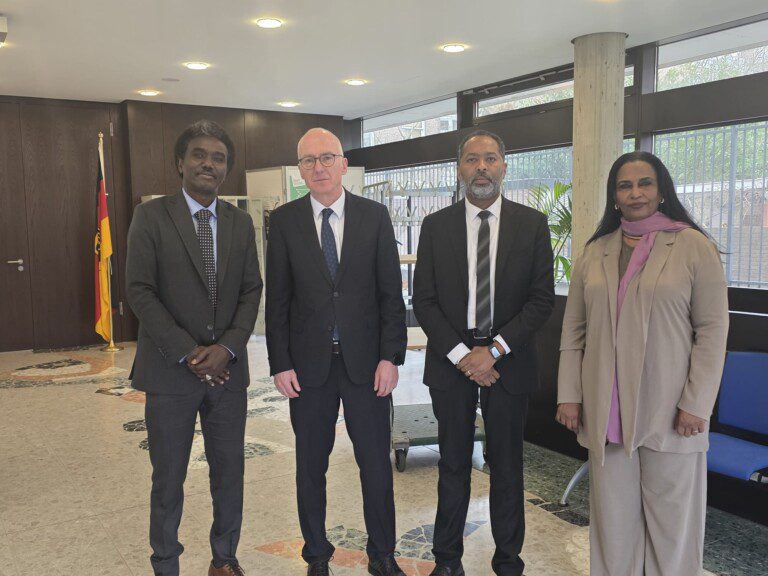
In a statement, the alliance said a delegation met Thomas Schieb, head of the OPCW’s executive office, in The Hague to present evidence and demand urgent action over alleged chemical attacks carried out by SAF forces in several regions of the country.
According to the alliance, the discussions focused on the urgent need to establish an independent investigation and monitoring committee to examine the alleged deployment of internationally banned weapons by the SAF. The statement said the allegations are supported by documented reports and physical evidence, including victims who are currently receiving medical treatment outside Sudan after suffering symptoms consistent with chemical exposure.
The alliance said the evidence points to a systematic pattern of violations rather than isolated incidents, accusing the SAF of committing serious crimes in breach of international law while continuing to enjoy impunity.
During the meeting, the German ambassador expressed support for efforts within the OPCW, while acknowledging procedural obstacles facing the organisation. He stressed, however, the importance of sustained international pressure on the SAF and its allies to halt the use of chemical weapons and to ensure accountability once investigations are concluded.
Rights groups have warned that the SAF’s continued control over state institutions and the absence of effective domestic accountability mechanisms have allowed grave violations to persist. Media reports and testimonies from survivors have increasingly raised alarm over the alleged use of prohibited weapons, particularly in areas heavily affected by SAF military operations.
The Somoud Alliance said relying on Sudanese judicial institutions to address such crimes is unrealistic, given their subordination to military authority. It argued that only an international mechanism can ensure credible investigations and prevent further atrocities.
The alliance concluded that failure by the international community to act decisively would amount to tacit acceptance of the SAF’s actions, emboldening further violations and undermining global efforts to enforce the ban on chemical weapons.