Sudan’s United Civil Forces (Qimam) has dismissed the reported detention of International Criminal Court (ICC) fugitive Ahmed Haroun as a staged political manoeuvre, accusing military chief Abdel Fattah al-Burhan of attempting to conceal his administration’s ties to Islamist networks associated with former President Omar al-Bashir.
In a strongly worded statement, Qimam described the arrest of Haroun, chairman of Sudan’s dissolved National Congress Party (NCP), as an attempt to mislead the Sudanese public and manufacture the appearance of action against figures linked to the former regime.
The coalition argued that Sudanese citizens were increasingly aware of the political forces responsible for prolonging the country’s devastating conflict.
It accused the Muslim Brotherhood and its affiliated political organisations of maintaining significant influence over the military establishment and benefiting from the continuation of the war.
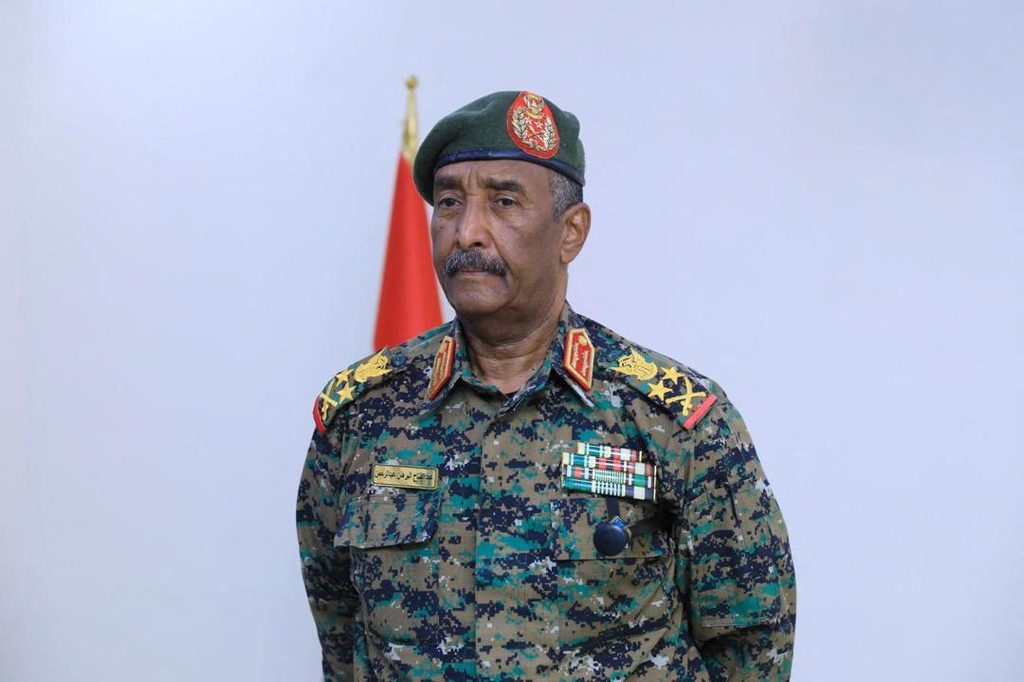
Qimam held Burhan directly responsible for the country’s political and humanitarian crisis, alleging that his military leadership remained closely aligned with Islamist networks seeking to regain political power.
The coalition said ending Islamist influence over military and political decision-making was essential to establishing a civilian democratic government capable of restoring peace, freedom and justice.
Qimam accuses Burhan of orchestrating political theatre
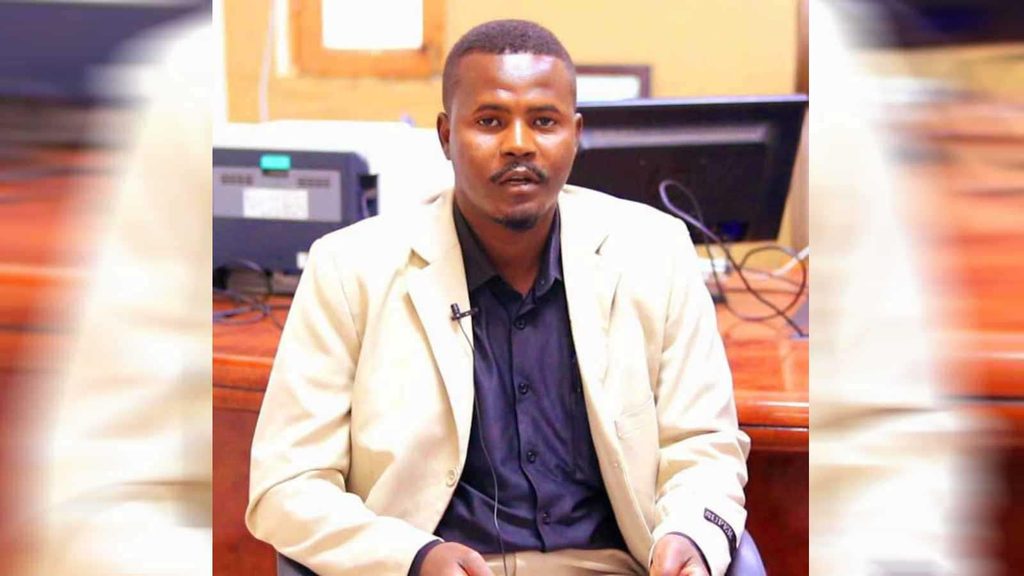
Qimam spokesperson Osman Abdel Rahman Suleiman said the circumstances surrounding Haroun’s reported detention had reinforced suspicions that the military authorities were attempting to manipulate public opinion.
Speaking to Erem News, Suleiman accused Burhan’s administration of manufacturing misleading political narratives intended to distance the military leadership from its Islamist allies.
He argued that the alleged arrest did nothing to change what he described as the longstanding relationship between the military establishment and the political networks associated with Bashir’s government.
Suleiman said Burhan’s political alliances had contributed to the circumstances that plunged Sudan into war and that attempts to reshape his public image would not absolve him of responsibility.
He warned against efforts to rehabilitate figures and organisations associated with Sudan’s former ruling establishment.
According to Suleiman, ending the conflict required accountability for those responsible for the war and a decisive break with the political structures that dominated Sudan before the 2019 uprising.
Somoud leaders question credibility of arrest
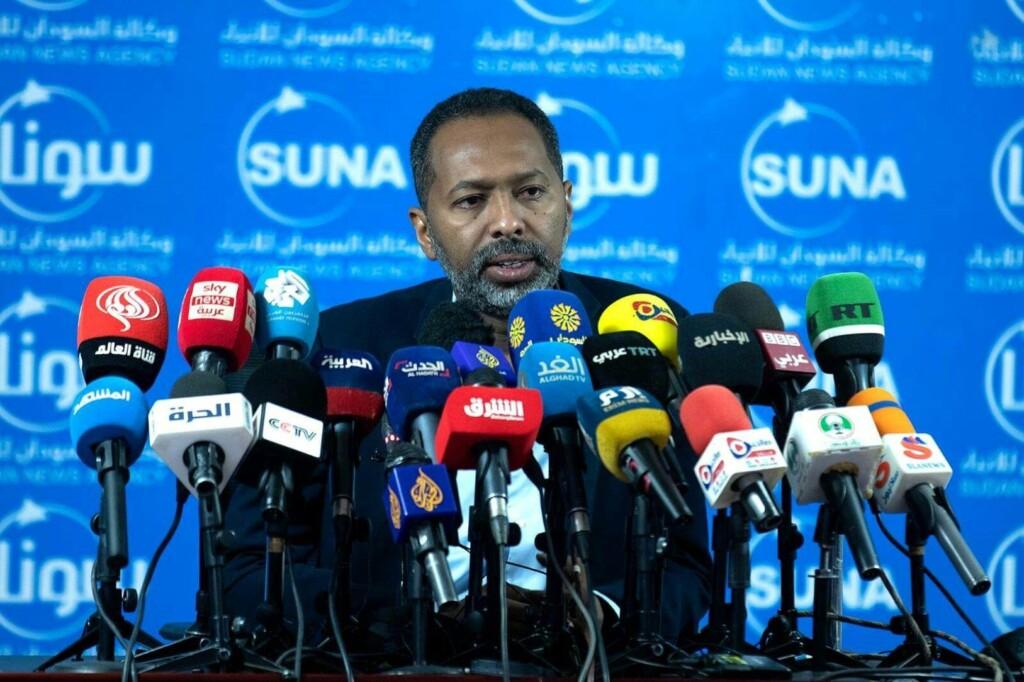
The criticism was echoed by Khalid Omar Yousif, deputy chairman of the Sudanese Congress Party and a senior figure in the civilian alliance Somoud.
Yousif described Haroun’s reported arrest as another episode in what he characterised as a political performance designed to obscure the relationship between Burhan and Sudan’s Islamist movement.
He argued that Haroun’s recent public appearance demonstrated the continuing political ambitions of Bashir-era officials.
Yousif accused the Islamist movement of seeking to govern Sudan through military authority rather than democratic legitimacy.
He maintained that the movement had lost its popular mandate during the uprising that removed Bashir in April 2019 and was now attempting to regain power through its connections within the armed forces.
The Somoud figure also challenged Burhan to acknowledge openly the political alliances underpinning his administration.
Demands for wider arrests and accountability
Sherif Mohamed Osman, political secretary of the Sudanese Congress Party and another Somoud leader, said Haroun’s detention would have little credibility unless the authorities moved against other former regime officials wanted by the courts.
Osman specifically named Ali Karti, a prominent Islamist figure and former foreign minister, among those he said should face accountability.
He argued that detaining Haroun while leaving other influential figures untouched would raise further questions about the military leadership’s intentions.
His remarks reflected broader concerns among civilian political groups that selective arrests could be used to manage internal political rivalries without dismantling the networks associated with Bashir’s former government.
ICC fugitive’s detention raises questions
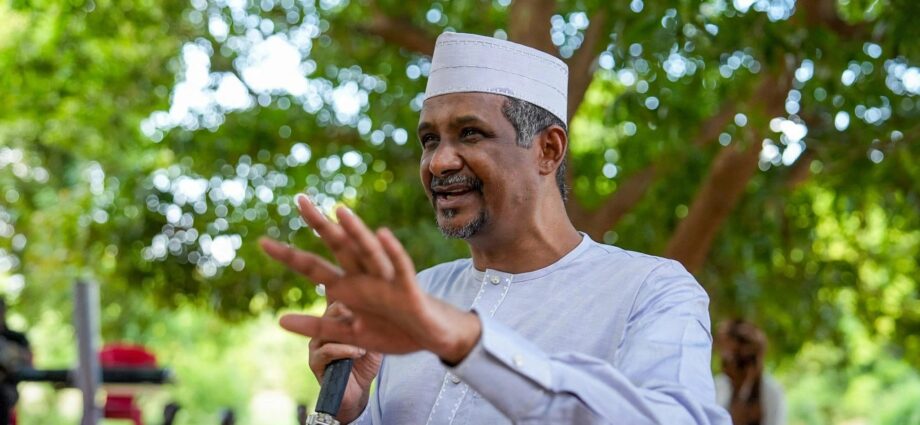
The controversy follows reports on Sunday that Sudan’s military had detained Haroun, a senior official in Bashir’s former government who has been wanted by the ICC since 2007.
Two officials from the NCP confirmed the detention to Reuters, while the party subsequently condemned the move and demanded Haroun’s release.
Haroun faces 42 counts of alleged war crimes and crimes against humanity connected to atrocities committed in Darfur in 2003 and 2004. He has denied the allegations.
His detention followed a widely discussed podcast interview in which he addressed the relationship between Sudan’s Islamist movement and the military.
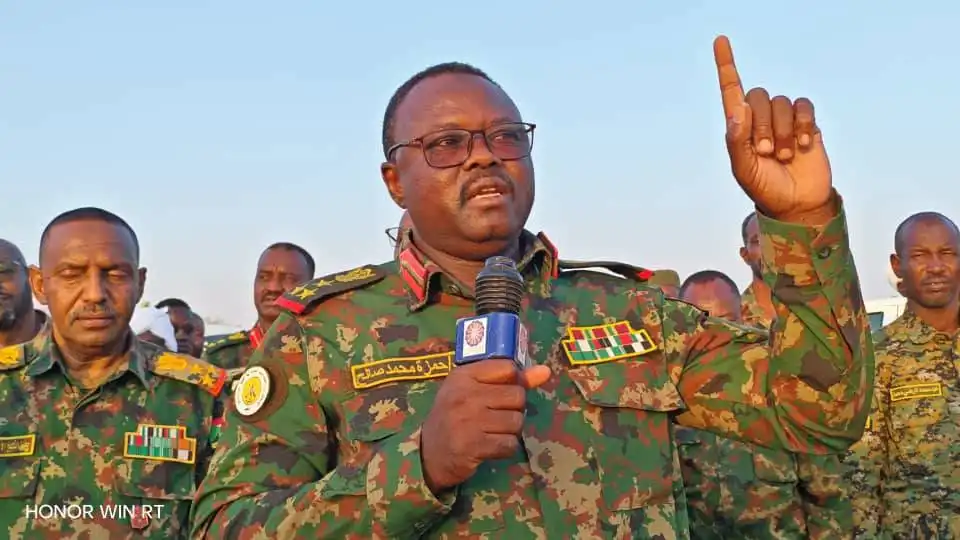
During the interview, Haroun acknowledged political differences between the NCP and the armed forces but said the two remained united in their opposition to the Rapid Support Forces (RSF).
The remarks revived controversy over the continued influence of figures associated with Bashir’s government in areas controlled by Sudan’s military.
Although Haroun’s detention has been reported by party officials and his defence lawyers, its precise circumstances remain unclear.
The military has not publicly established whether he will face domestic proceedings, remain in custody or be transferred to the ICC.
For Qimam and Somoud, the central question is whether the reported arrest signals a genuine move towards accountability or another episode in Sudan’s increasingly bitter struggle over the influence of Bashir-era Islamists.