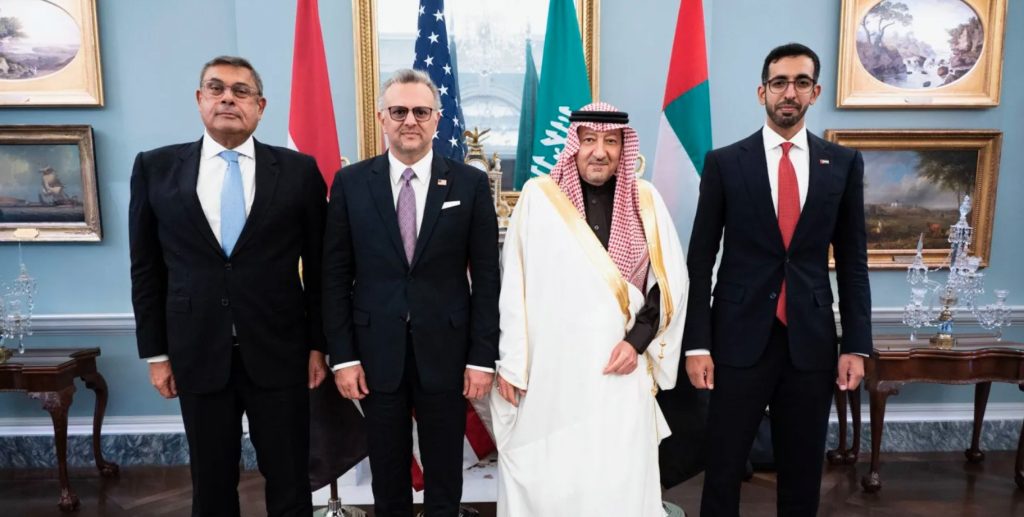
An academic has said the ceasefire initiative proposed by the Quad mechanism still has limited chances of success, citing political and procedural obstacles, while pointing to SAF’s approach as a key factor undermining progress.
Professor Hassan Bashir Mohamed Nour, an economics and political science academic, told media that the initiative is built on a gradual track, starting with a ceasefire and leading to a transitional process aimed at civilian rule. He said the framework itself is realistic, but implementation remains difficult because of the positions taken by the warring parties.
He noted that the initiative includes core principles such as protecting Sudan’s unity and setting a clear timetable for the ceasefire and political process. However, he said SAF’s public positions and continued military escalation reflect a lack of seriousness about halting the war, contrasting this with RSF’s stated openness to mediation and phased de escalation.
According to Nour, mistrust among the parties towards some members of the Quad has complicated matters. While some actors accuse the UAE of supporting RSF, others believe Egypt and Saudi Arabia back SAF, perceptions that, in his view, have been exploited by SAF to delay negotiations and avoid commitments to a ceasefire.
He added that ongoing fighting is driven by battlefield calculations, particularly by SAF, alongside conflicting regional and international agendas in the Sudan file. Nour also pointed to weak international and regional consensus on how to end the war, as well as the absence of a unified national vision inside Sudan, a vacuum he said SAF has benefited from to prolong the conflict.
Commenting on the US position, he said statements by American officials indicate concern about ending the war, but Sudan does not rank high among Washington’s foreign policy priorities compared to crises such as Ukraine and Gaza. Any mention of Sudan by President Trump, he said, is likely to remain limited to the humanitarian catastrophe.
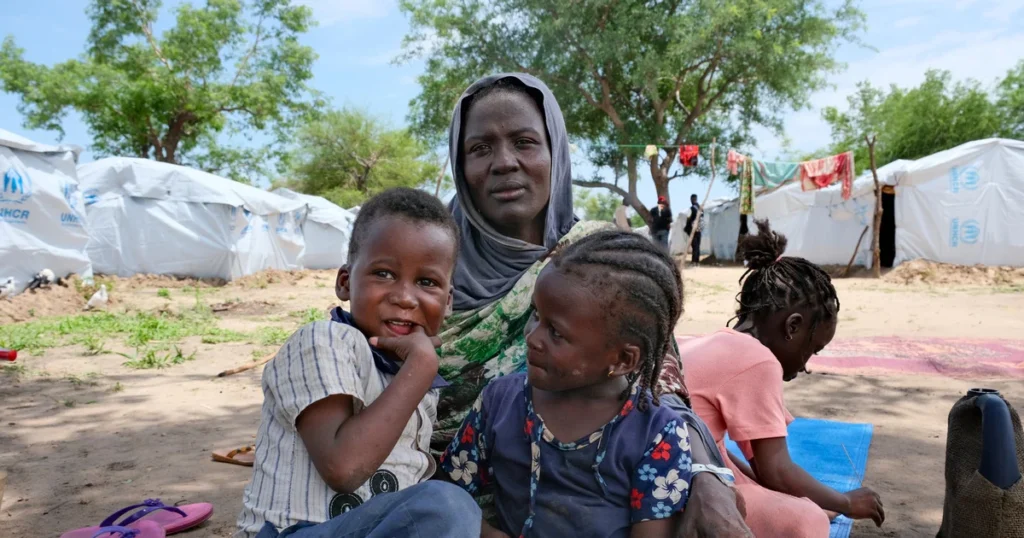
Nour stressed that the Quad initiative remains structurally sound because it links a ceasefire to a political process and humanitarian access. He highlighted that around 30 million Sudanese urgently need food assistance, warning that continued SAF obstruction will only deepen the humanitarian disaster.
He concluded that prospects for success in the short term remain limited due to lack of trust and clashing interests, but argued that meaningful progress is impossible without sustained pressure on SAF to stop the war and engage seriously, while supporting paths that open the way to civilian governance.