Who is Abdel Fattah al Burhan, and what authority does he truly possess to decide who may return to Sudan, who must remain in exile, and who should be stripped of identity and citizenship? On what legal or moral basis does he assume the power to bar named citizens from their own country?
Does Burhan imagine Sudan as his private ferry, standing at its edge like a ticket inspector, deciding who boards and who is thrown off?
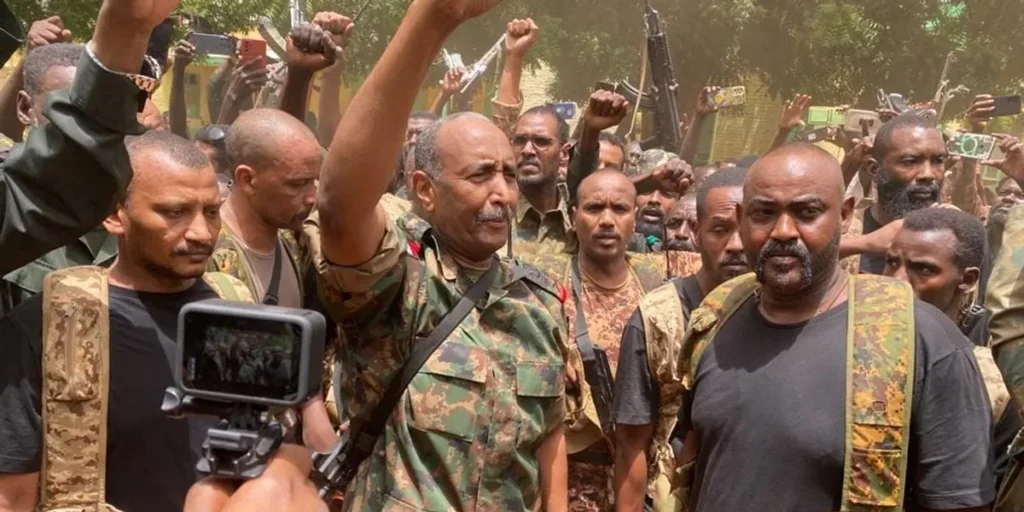
Burhan is not a legitimate ruler. He is the head of a coup, a man who seized power through a bloody overthrow of constitutional rule, ignited a devastating war, killed hundreds of thousands, displaced millions, and reduced the country to ruins.
He did not even have the courage to openly initiate this war as responsible leaders do. Others ignited it, and Burhan, as head of the SAF, was dragged into it, surrendering the national army to a known political faction and following its agenda blindly, like sheep in a well known parable.
Under his military command, the SAF bears responsibility for the massacre at the sit in site, the killing of civilians during the coup, and the continuation of a war that has claimed tens of thousands of lives. He is responsible for arming militias, multiplying them, and allowing weapons to slip beyond any national control. His name has also surfaced in accusations linked to Darfur massacres and village burnings, acts classified under international law as war crimes and genocide.
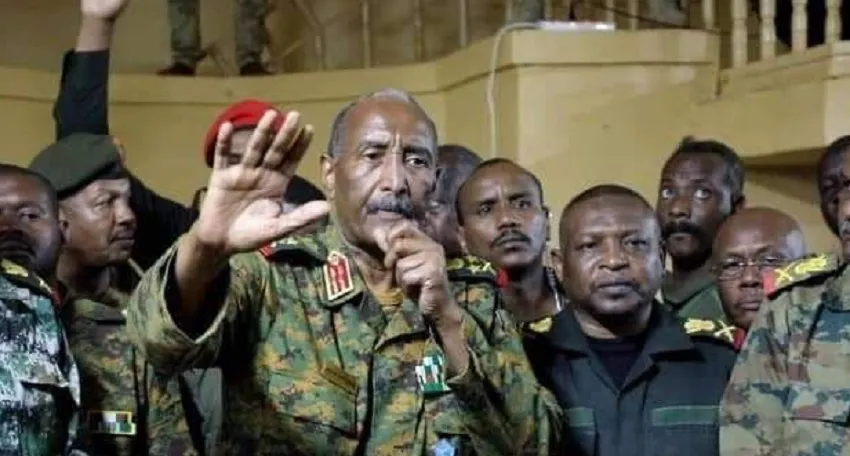
Who is Burhan to publicly ban citizens, by name, from entering Sudan during a televised political speech? Which law grants him this authority? Does he own the lives and futures of Sudanese people?
If there were even a trace of responsibility beneath his uniform, he would have referred such matters to courts and legal institutions rather than issuing personal political threats on air.
Is the SAF meant to serve all citizens equally, or has it become a partisan tool, hostile to some Sudanese and obedient to others?
What kind of army chief or head of state publicly lists political opponents and declares them forbidden from returning home? Does this not endanger their lives, effectively inviting violence against them by framing them as enemies of the state?
Meanwhile, Burhan demands silence while evidence mounts of environmental disasters, toxic pollution, mass fish deaths, and widespread disease affecting water, soil, food, and air, all visible to the world. Are people expected to stay quiet while such catastrophic negligence unfolds?
Each day, Burhan’s statements grow more crude, more deceptive, and more threatening, as though Sudan were his personal inheritance. Behind him march compromised judicial bodies, prosecutors, and media mouthpieces, legitimising this decay.
This is Sudan today, a landscape dominated by chaos, unqualified figures, opportunists, war profiteers, and remnants of an old authoritarian system. Power rests in the hands of people who cannot be trusted with the fate of a nation, a generous description given the scale of destruction they have overseen.
This corrupt order will not last. History has shown that truth eventually prevails, and this dark chapter will come to an end.