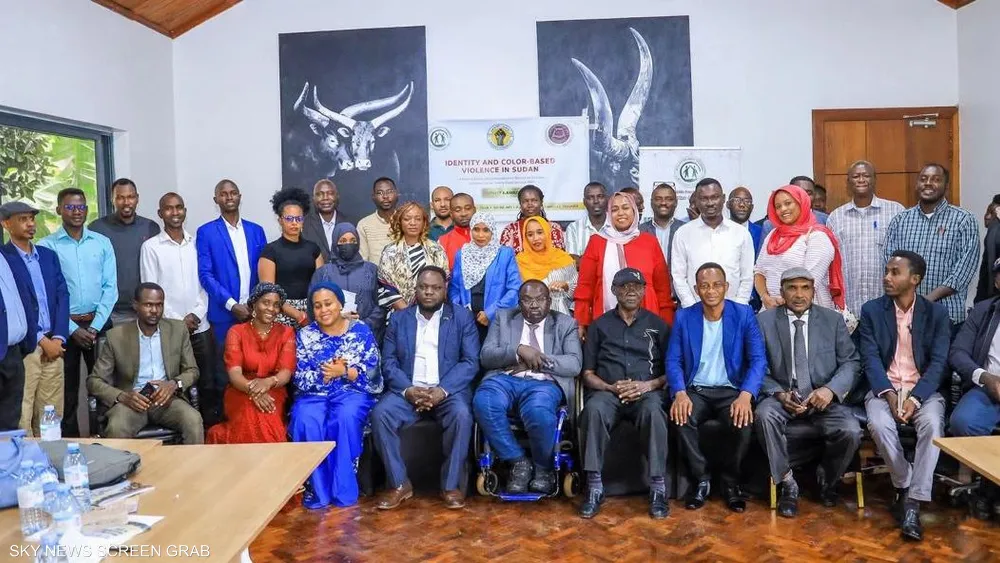
A rights report launched in Uganda on Thursday accused Sudan’s army and allied armed groups of ethnically targeted killings, destruction and forced displacement against residents of Kanabi settlements in Gezira state.
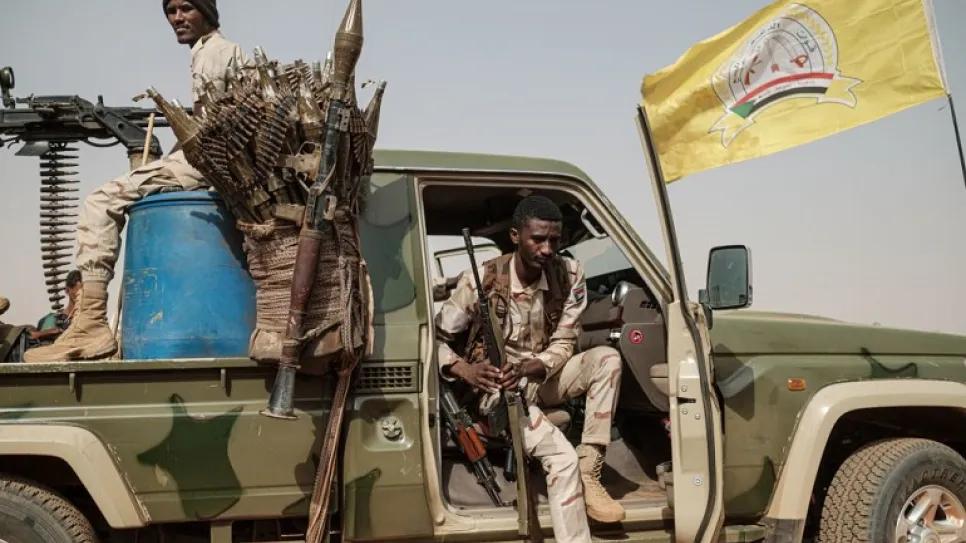
The report, titled “Violence based on identity, colour and ethnicity in Sudan”, documented alleged abuses during January 2025, including attacks involving the Islamist Al-Baraa bin Malik Brigade and the Sudan Shield militia led by Abu Aqla Keikel.
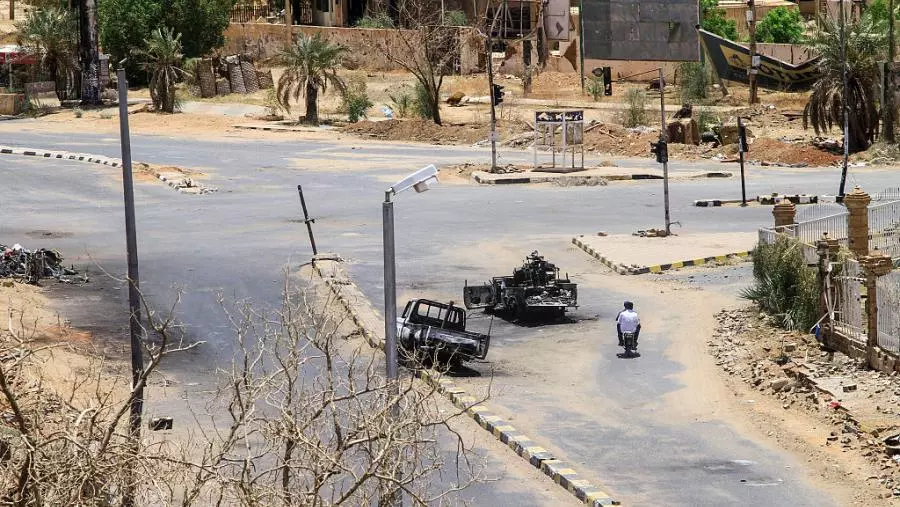
According to the report, dozens of civilians were killed, 143 homes were burned or destroyed, and 5,000 families were displaced from Kombo Taiba alone.
The findings were presented in Kampala at an event organised by the Darfur Victims Advocacy organisation and the Kanabi Congress Central Committee, in cooperation with the London-based Centre for Truth and Knowledge Studies, CSTAK. Sudanese, Ugandan and other African rights organisations attended.
The report’s authors said residents of Kombo Taiba were now facing renewed targeting through property confiscations and land seizures by the SAF government’s land administration.
They described this as a shift from armed violence to the use of state institutions to entrench displacement and strip residents of their rights.
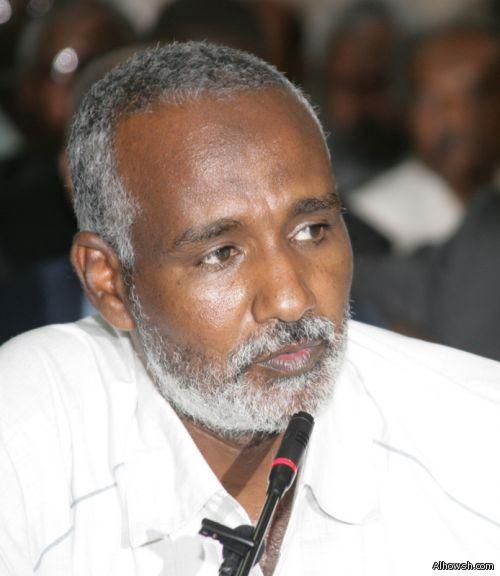
Jaafar Mohamedin Abdeen, head of the Kanabi Congress Central Committee, accused the army and its allies of targeting residents because of their ethnicity and skin colour. He described their treatment as “apartheid” and called for an independent international investigation.
Human dignity should not be determined by colour or ancestry, he said, adding that justice must not depend on political affiliation, ethnicity or geography.
Speaking to Sky News Arabia, Abdeen said organisers planned to submit the report to the international fact-finding mission investigating abuses in Sudan.
He also announced plans to approach the United Nations, African governments, the African Union, rights organisations and parliaments, alongside efforts to compile evidence of demolitions and displacement.
Abdeen accused the army and the SAF government of direct involvement in abuses and of continuing to protect armed formations responsible for attacks on residents and their property.
The source account did not include a response from the army, the SAF government or the named armed groups.
African civil society representatives at the launch urged coordinated action to protect residents and support accountability.
Congolese civil society representative Darwin Mafutara described the abuses as organised crimes aimed at displacing African communities. Eritrean representative Selam Merhawi called for stronger joint advocacy to halt civilian displacement in Gezira.
Charles Ataya, a professor of strategic studies at Uganda’s Nkumba University, said the report could support advocacy and legal action. He urged civil society groups to continue documenting identity-based violence and extrajudicial killings and to provide evidence to African and international investigators.
Participants called for civilian protection, accountability and an end to the war. They also urged the restoration of civilian rule based on equal citizenship and the removal of armed groups’ influence from state institutions.