The meeting, as reported by media, reviewed a detailed update on the situation of displaced communities, the conditions inside camps and the urgent need for essential services. It also assessed the ongoing vaccination campaigns against diphtheria in targeted states. Periodic reports showed a decline in malaria, dengue fever and cholera across most states, except Gezira, which continues to record a noticeable rise in infections.
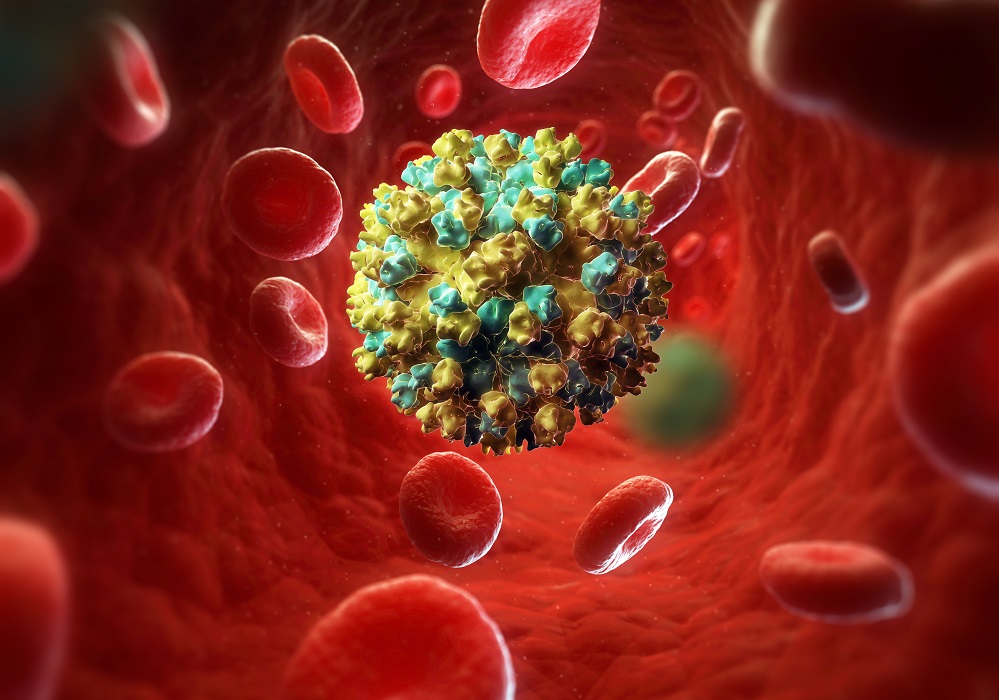
During the session, the health ministry’s undersecretary, Ali Babiker, stressed the need to turn the hepatitis outbreak into a focused research priority to better understand its causes and prevention methods. He emphasised the importance of community awareness and health education in the coming phase. Health Minister Haitham Mohammed Ibrahim praised the ministry’s efforts in containing outbreaks, while reiterating the need for organisations to align their work with national priorities and to analyse current conditions to ensure more effective responses.
Attendees agreed on preparing an operational map for organisations working in Sudan to identify the scale of required interventions, in addition to issuing a unified end of year report outlining the efforts of the General Directorate of Emergencies and Epidemic Control. The ministry also underlined the need to map health gaps and specify the necessary interventions, particularly as Gezira continues to record high numbers of cases.
Sudan has faced increasing health challenges in recent years, driven by the economic and humanitarian crisis caused by war and widespread displacement. Seasonal outbreaks such as malaria, dengue fever and cholera pose ongoing threats to the population, straining an already fragile health system and reinforcing the urgent need to strengthen response capacity and scientific research.