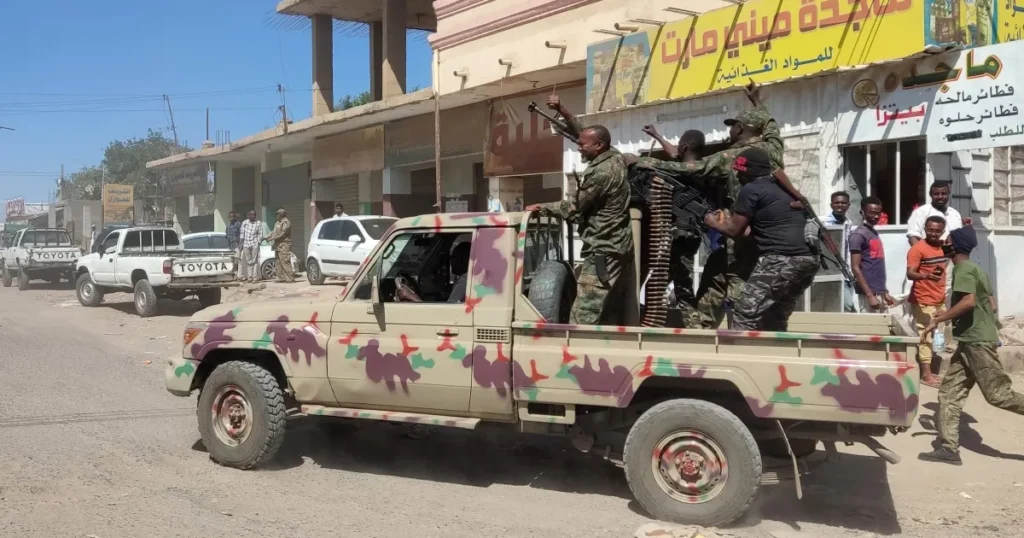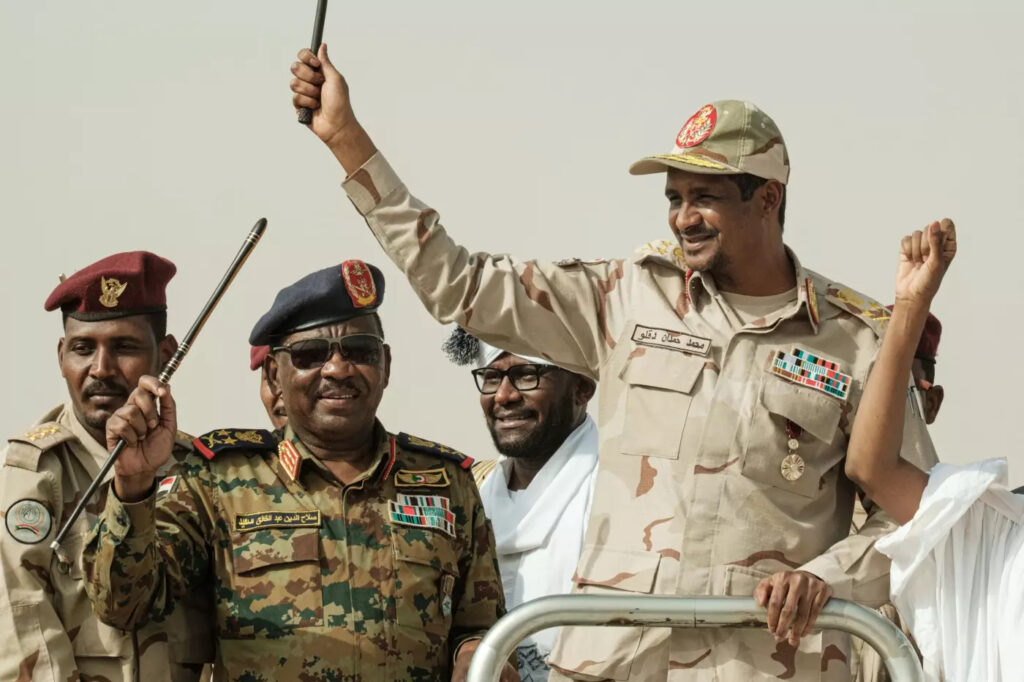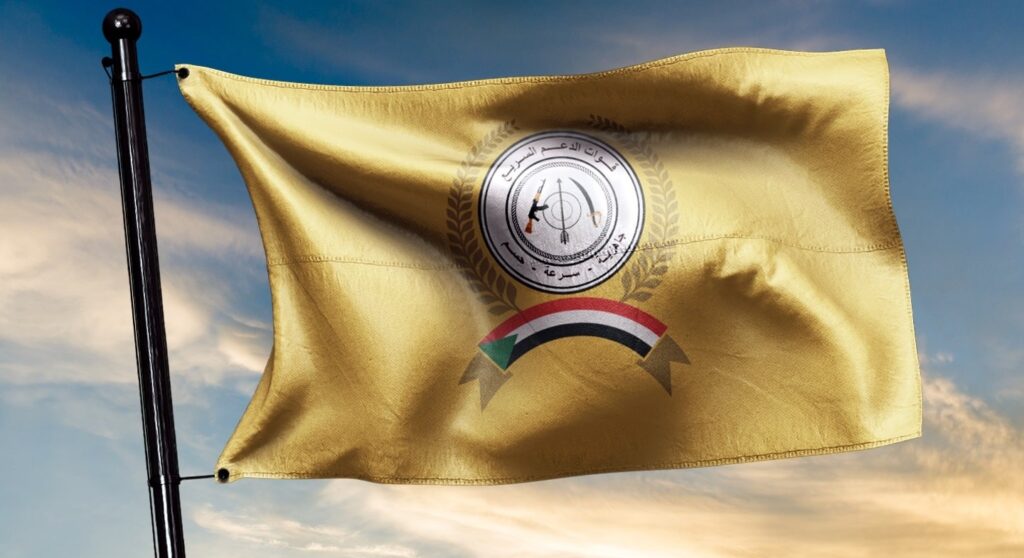
The Rapid Support Forces (RSF) accused Islamist-aligned factions within General al-Burhan’s army (SAF) of carrying out repeated attacks that violated the humanitarian truce declared by the RSF on 24 November. The RSF said it fully adhered to the ceasefire and limited its actions to lawful self-defense, while rival forces continued “systematic strikes” across multiple states.
According to the RSF, eight major violations were documented between 24–30 November.
Key incidents included:
• 25 Nov – Babanusa: Airstrikes, drones and artillery caused civilian deaths and extensive damage.
• 26 Nov – Bara, Rahid al-Nuba, al-Nuhud: Repeated air attacks killed and injured dozens.
• 26 Nov – Abu Zabad, Jabra al-Sheikh: Ongoing assaults prompted limited RSF response in self-defense.
• 26 Nov – Habila (South Kordofan): Drone and artillery strikes documented by independent sources.
\
• 26 Nov – Kazgeil, Umm Sayala (North Kordofan): Shelling and drone attacks caused high casualties and infrastructure damage.
• 28–29 Nov – Jabra al-Sheikh, Umm Qirfa, Abu Qaoud: Drone strikes left injuries and losses.
• 30 Nov – Kumo (South Kordofan/Nuba Mountains): The deadliest incident, killing 45 civilians—mostly students—and injuring eight.
• 30 Nov (early morning) – Babanusa: Renewed shelling.
The RSF listed the humanitarian impact as “severe,” with dozens of civilians killed across multiple states, schools hit directly, and extensive destruction of housing and infrastructure.
The force said the attacks centered on residential areas, educational facilities and RSF sites that had remained under truce conditions. Weapons used included warplanes, armed drones, heavy artillery and ground incursions. It described the strikes as grave breaches of the truce, deliberate targeting of civilians, indiscriminate attacks and, in the case of Kumo, “a fully constituted war crime.”
The RSF reaffirmed its commitment to the truce, stressing that responses in Abu Zabad and Jabra al-Sheikh were limited defensive actions. It said the takeover of Babanusa followed repeated violations and attacks that endangered civilians.
The force held Islamist factions within the SAF responsible for killing civilians, including children and students, bombarding residential areas, hindering humanitarian access and escalating violence. It urged the Quad — the United States, Saudi Arabia, the UAE and Egypt — to intervene, and called on the UN and rights groups to document all violations, especially the Kumo killing of students.
The RSF reiterated its commitment to a “just and lasting peace” and to building a civilian-led state that protects Sudanese citizens.