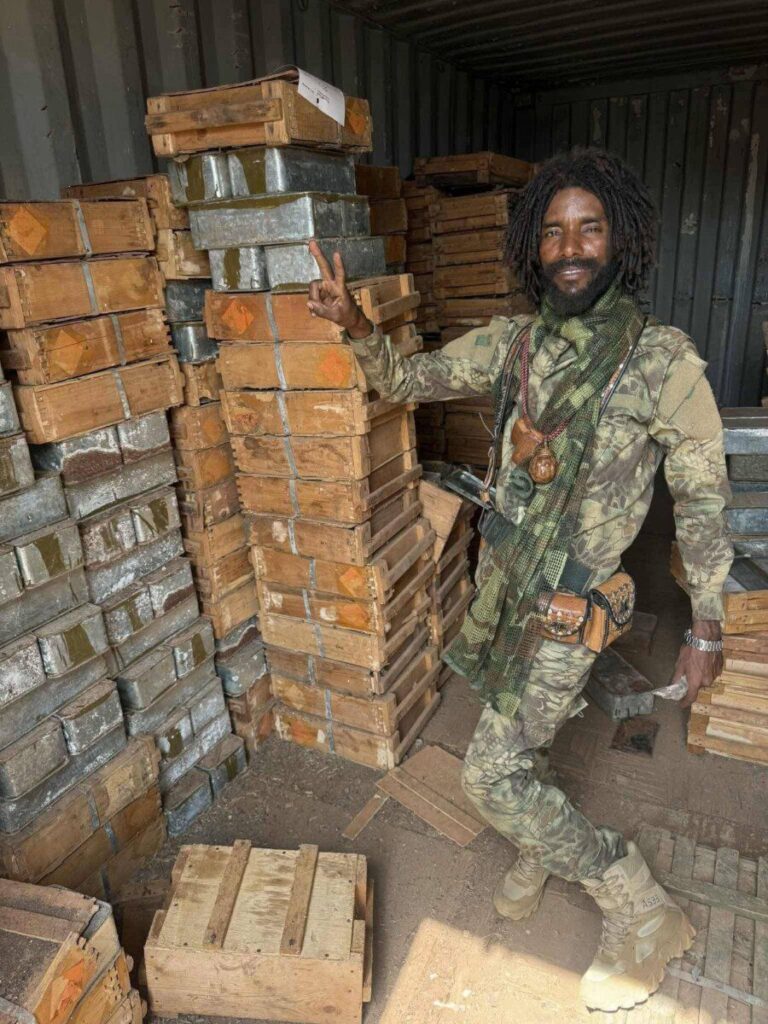
The Rapid Support Forces’ (RSF) capture of the Heglig oilfield on 8 December 2025 marks one of the most consequential turning points in Sudan’s war since it erupted in April 2023—reshaping the military, economic, and political landscape at a critical moment in the conflict.
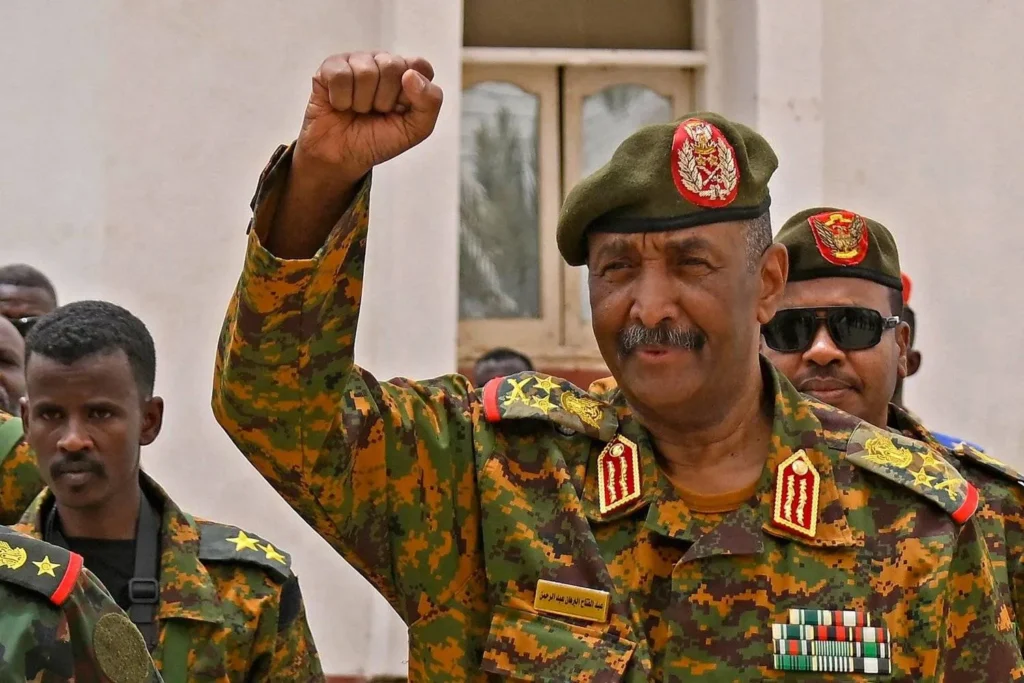
Heglig—Sudan’s most important remaining oilfield after the 2011 secession of South Sudan—has long served as a financial backbone for the Sudanese state. With its fall, the RSF has not only expanded its territorial reach but also taken control of a vital economic artery whose loss threatens General al-Burhan’s army (SAF) and its ability to fund and sustain military operations.
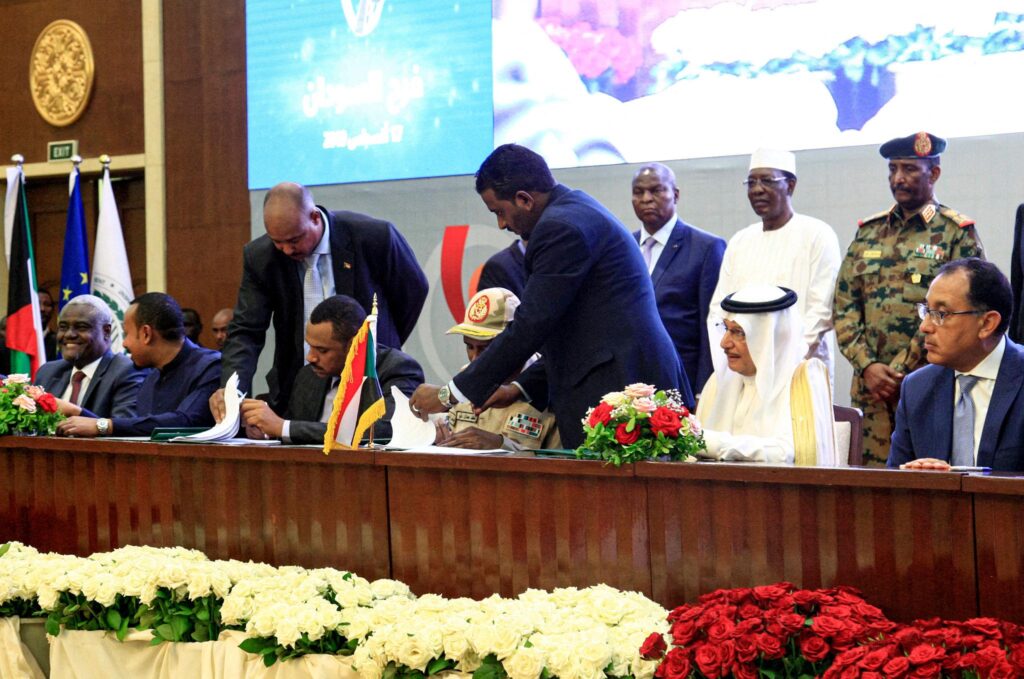
The seizure follows the RSF’s consolidation of control across Darfur in October, signalling a shift from geographic expansion to targeting critical infrastructure and resource hubs. Holding Heglig gives the RSF unprecedented leverage in any future political or negotiation track and places immense strain on the already weakened military establishment in Port Sudan.
Military collapse and a widening regional shockwave
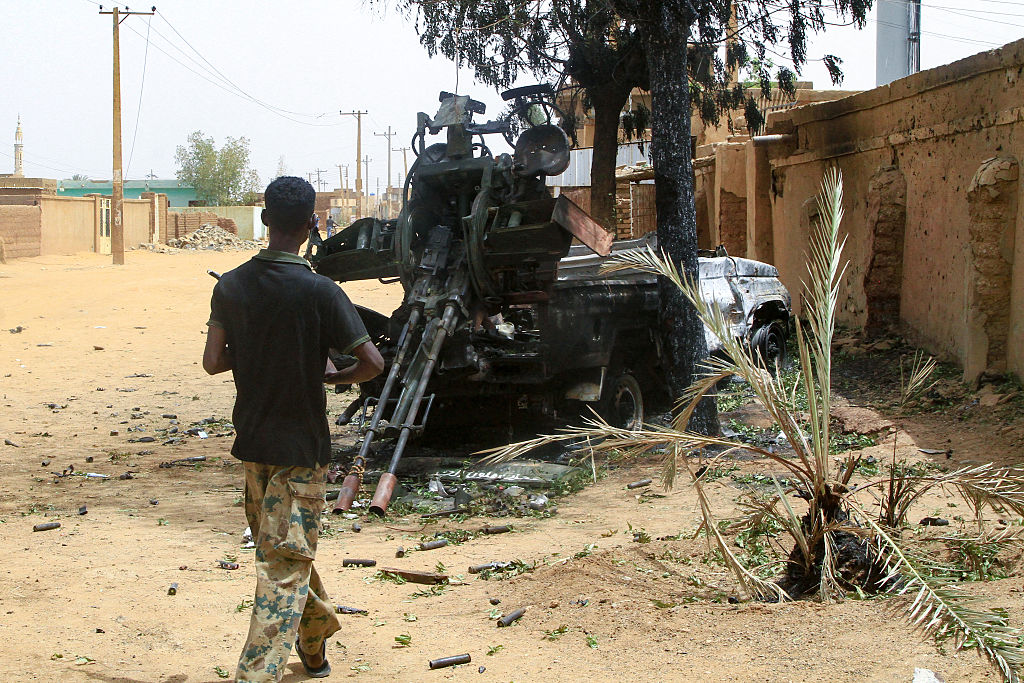
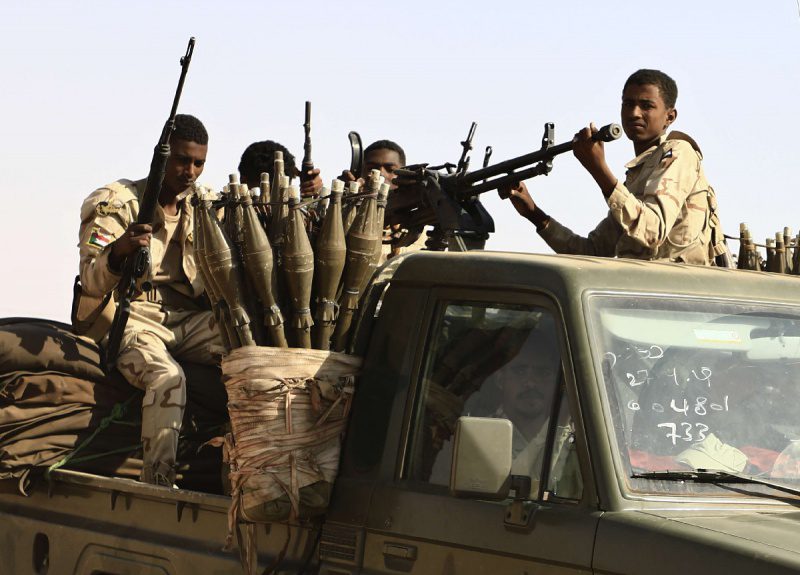
In a dramatic illustration of SAF’s deteriorating position, South Sudan’s military confirmed that Sudanese soldiers fled their positions in Heglig immediately after the RSF advance on December 8, crossing into South Sudan and surrendering their weapons and equipment to the Juba forces. While no official figures were provided, media reports indicate the number of fleeing soldiers could be in the hundreds.
This mass retreat exposes the collapse of SAF defensive lines across Kordofan—a historic buffer region between Khartoum and the south—and bolsters the RSF narrative that it captured wide areas after “the army fled,” describing Heglig’s fall as a pivotal moment in its nationwide campaign.
The RSF also accused SAF of conducting a retaliatory drone strike on Heglig’s facilities after their takeover, reportedly using foreign-made systems and allegedly killing dozens of engineers, civilians, South Sudanese soldiers, and RSF personnel.
Economic stakes for Sudan and South Sudan
Heglig holds strategic significance not only for Sudan but also for South Sudan, whose oil exports depend entirely on pipelines that transit Sudanese territory. Any disruption threatens the economic lifeline of the world’s youngest nation, which is already facing political fragility and financial crisis.
Former Sudanese oil minister Jadain Ali Obaid described the loss of Heglig as a “catastrophe” for Sudan and a “severe blow” to South Sudan, warning that instability in the field could jeopardize production, refining, and export operations for both states.
Military analyst Ismail Al-Nayer emphasized the deeper strategic implications of RSF control:
• It grants the RSF mobility across a vast corridor stretching from Libya to Chad, the Central African Republic, and down to South Sudan—territory historically used for arms flows and logistical resupply.
• Control of Heglig’s airstrip may allow RSF to receive foreign aircraft, drones, defensive systems, and military hardware.
• The airstrip and surrounding infrastructure could serve as a launch platform for long-range drone strikes on cities deeper inside Sudan.
• The RSF could deepen cooperation with SPLM-N (Al-HilU), shifting the military equation across South Kordofan.
• The militarization of Heglig risks severe damage to facilities, software systems, and pipelines, potentially leading companies to withdraw permanently.
Wider implications for Sudan’s war
Inside Sudan, the fall of Heglig accelerates a trend toward territorial division. SAF maintains hold over parts of the north, center, and east, while the RSF now dominates most of the west and has made substantial advances toward the south. If the RSF consolidates its control over Heglig for weeks or months, it would effectively strip Port Sudan of its last major economic engine.
Control of resources—not just cities—is now redefining the power balance. The faction controlling Sudan’s remaining revenue streams is poised to command political leverage in any future settlement.
Several scenarios now emerge:
• SAF may attempt a costly counteroffensive to retake Heglig, though its capacity is doubtful given resource depletion.
• The RSF may push deeper into South Kordofan to seize additional oilfields, refineries, or administrative centers.
• Regional or international actors may intervene diplomatically to secure oil infrastructure due to its strategic importance.
• Sudan may slide toward a de facto partition, with each faction administering large territories with distinct populations and resources.
Humanitarian crisis at risk of deepening
Sudan is already the site of the world’s worst humanitarian disaster, with nearly 12 million people displaced and tens of thousands killed. Any additional disruption to fuel supplies risks paralysing transport, agriculture, and essential services, pushing an already devastated population further toward catastrophe.
Heglig was a major battleground between Sudan and South Sudan in 2012, and despite later agreements, the region has remained volatile. Its re-emergence as the epicenter of Sudan’s internal conflict introduces a new layer of complexity: it now directly affects a third party—South Sudan—whose stability hinges on uninterrupted oil flow.
A new phase of the war
The RSF’s capture of Heglig is not just a battlefield victory but a structural shift in Sudan’s war. It reveals sophisticated operational capacity, the ability to breach former SAF red lines, and a calculated strategy to seize the country’s most valuable economic assets.
Sudan’s conflict is now entering a new phase—defined not by control of urban centers but by domination of critical resources. The fall of Heglig on 8 December 2025 may be remembered as the moment when Sudan’s economic center of gravity shifted decisively away from SAF, potentially shaping the future trajectory of the state for years to come.