Analysts say Sudan’s worsening security vacuum is not accidental but the product of long-standing politicisation inside the state, accusing SAF and the Muslim Brotherhood of jointly exploiting war and institutional collapse to preserve power and block meaningful reform.
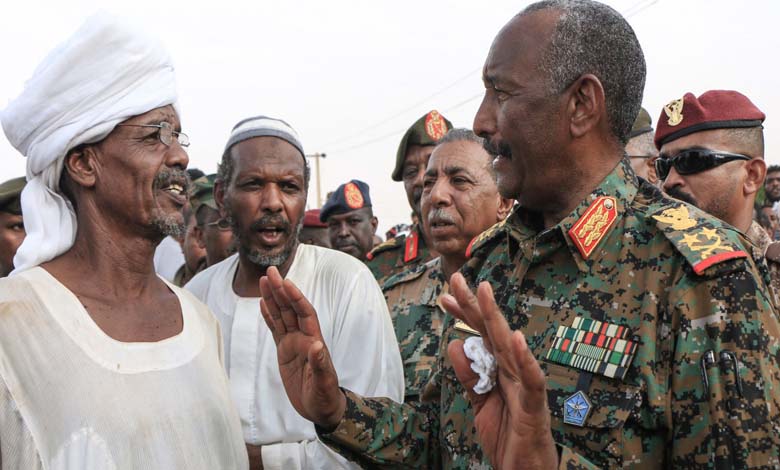
Experts argue that the Brotherhood’s renewed manoeuvring in Sudan is inseparable from SAF’s decades-long tolerance, and in some cases protection, of ideological networks within the military and security apparatus. Rather than acting as a neutral national force, SAF is accused of allowing partisan loyalties to override professionalism, deepening fragmentation and prolonging the conflict.
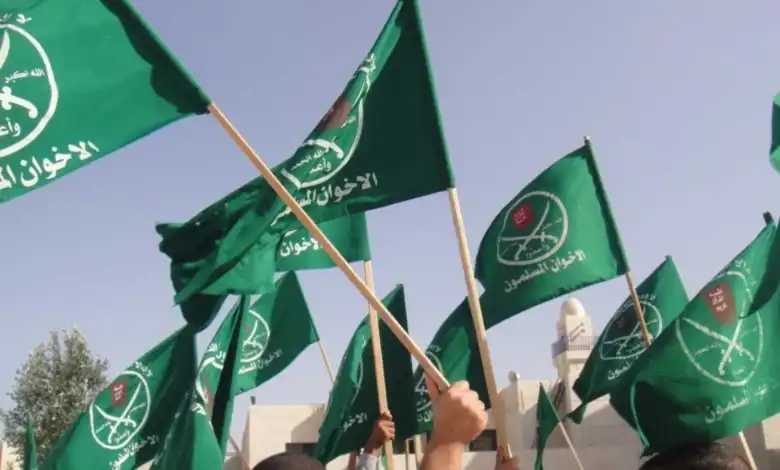
Political analysts cited by media say the tightening international pressure on the Brotherhood has pushed the group to operate more covertly, embedding itself in war economies, humanitarian fronts and local patronage networks. These efforts, they add, have been facilitated by SAF’s failure, or refusal, to dismantle Islamist influence inside state institutions.
According to political analyst Ihab Madbouh, the Brotherhood has historically thrived on instability, using conflict as a tool to regroup and reassert leverage. He argues that in Sudan, SAF’s alliance of convenience with Islamist factions has transformed the military from a national institution into a battlefield for ideological control, undermining any genuine peace process.
Madbouh says the continuation of war serves both sides: for SAF, it deflects accountability for past coups, abuses and institutional decay; for the Brotherhood, it delays justice and transitional accountability that would expose its role in repression, corruption and the militarisation of politics.
Observers note that since the fall of Islamist rule in Egypt in 2013, the Brotherhood has sought refuge in fragile states. In Sudan, analysts say this strategy has been particularly destructive, as Islamist networks entrenched within SAF have helped shield the group from political extinction while pushing the country further toward state failure.
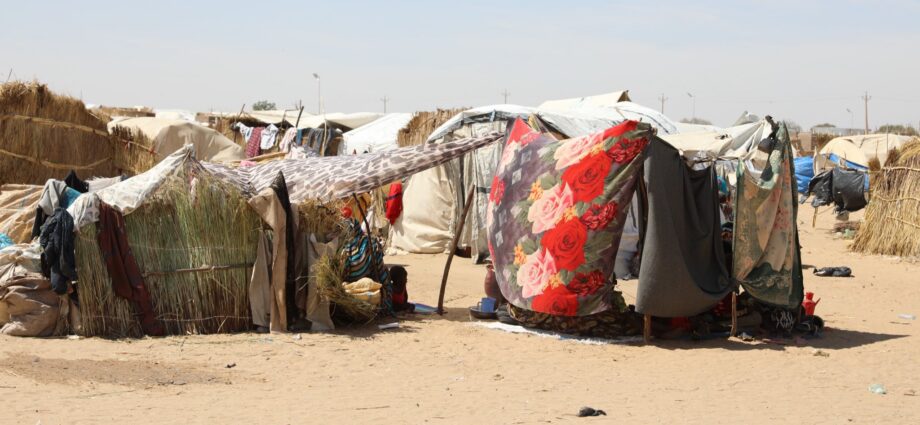
African affairs specialist Mubarak Ishaq Abdullah warns that Sudan has become a cautionary example of how politicised armies accelerate collapse. He argues that SAF’s inability to sever ties with Islamist cadres has hollowed out the military, weakened command cohesion and fuelled cycles of violence that civilians continue to pay for.
Abdullah adds that while the Brotherhood may view Sudan’s chaos as an opportunity, its presence further poisons the political environment, entrenching mistrust and making any future settlement more fragile. He notes that the group’s reliance on shadow networks, front organisations and tactical alliances mirrors past patterns that ended in authoritarianism and conflict.
Analysts conclude that as long as SAF remains entangled with Islamist interests, Sudan’s security vacuum will persist. Without dismantling the Brotherhood’s influence and restoring a non-ideological, accountable military, they warn, the war will continue to serve narrow power blocs rather than the Sudanese people.