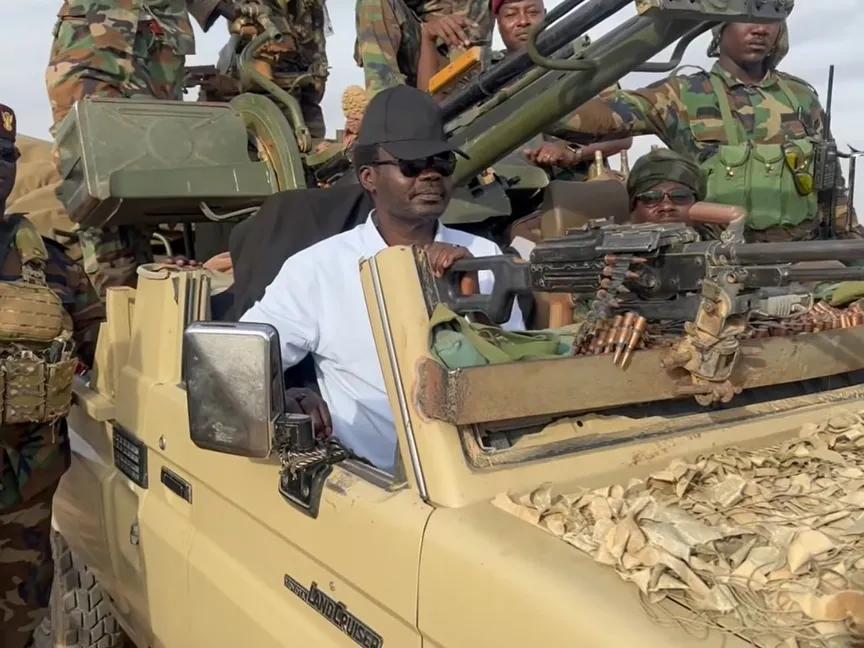
A series of security incidents in SAF-controlled states has exposed a deepening crisis surrounding the Joint Force, the coalition of armed movements that signed the Juba Peace Agreement and later fought alongside the SAF.
Once presented as a military partner on the front lines, the force is increasingly being viewed by critics as a threat to internal security and urban stability.
The developments have revived fears that Sudan is repeating the same military approach that previously allowed armed factions to build parallel power structures with broad authority and little accountability — a model many see as having helped pave the way for the rise of the Rapid Support Forces.
Observers say the latest violations no longer appear to be isolated incidents. Instead, they point to a wider pattern involving criminal networks, smuggling operations and the misuse of official powers granted to the force for transport security and military movement.
One of the most serious concerns is the alleged involvement of Joint Force members in drug trafficking. Port Sudan’s Libya Market recently witnessed a deadly confrontation between anti-narcotics officers and a criminal network. Those killed were later reported to be affiliated with armed movements, including the Sudan Liberation Movement led by Minni Arko Minawi.
The incident came only two weeks after authorities in River Nile state said they had seized a quarter of a million narcotic pills from individuals linked to the Joint Force.
The force has also been accused of clashing directly with law enforcement bodies. In al-Jabalain, White Nile state, a confrontation inside a police station involving Joint Force personnel reportedly led to the death of a police officer, underlining what critics describe as a growing collapse in discipline and command control.
Security sources also point to rapid and poorly vetted recruitment drives by armed movements seeking to preserve their expanded wartime role. These campaigns, they say, have weakened oversight and allowed individuals with criminal backgrounds to enter the ranks, obtain official identification papers and use stamped movement orders to facilitate illegal activity.
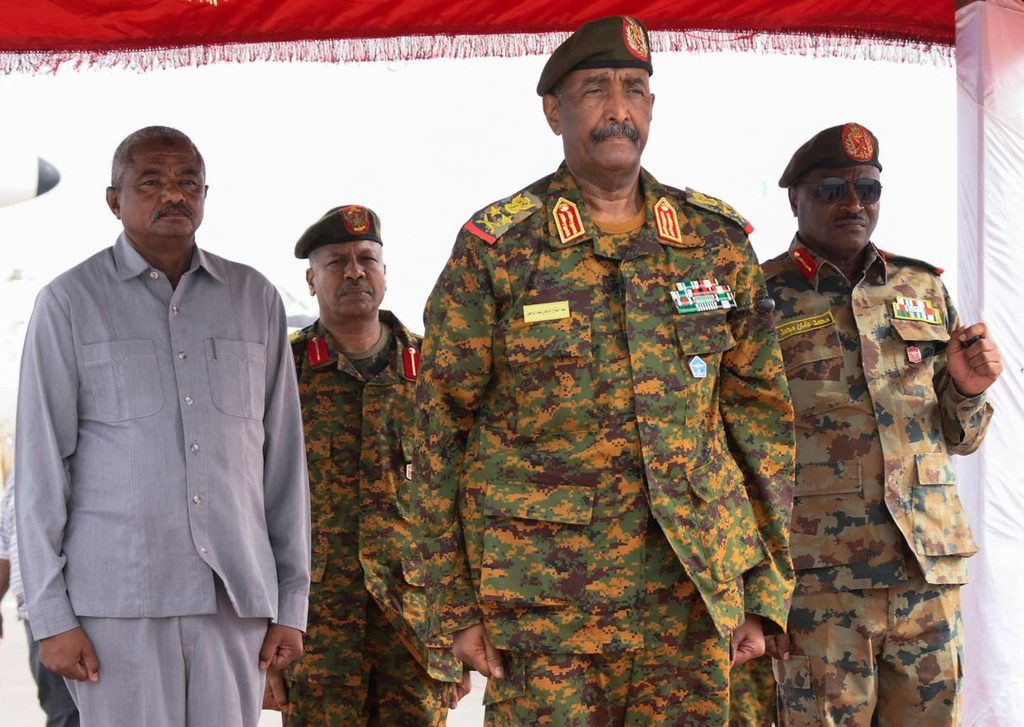
The incidents have placed Sudan’s SAF leadership under pressure over its decision to delegate sensitive security and sovereign functions inside cities to armed groups that remain outside a unified chain of command.
Some local authorities have recently begun attempting to address the issue, but the broader dilemma remains unresolved. Armed movements are reluctant to accelerate integration into regular forces without political guarantees, fearing that disarmament would weaken the influence they derive from maintaining independent armed structures.
But their continued presence in cities with broad powers, amid allegations of drug trafficking, disorder and clashes with police, has intensified warnings that Sudan is again allowing armed factions to operate beyond the reach of the law.
For critics, the Joint Force is becoming another ticking time bomb in a country already devastated by the consequences of parallel militaries, fragmented authority and the repeated failure to bring armed groups under civilian and legal control.