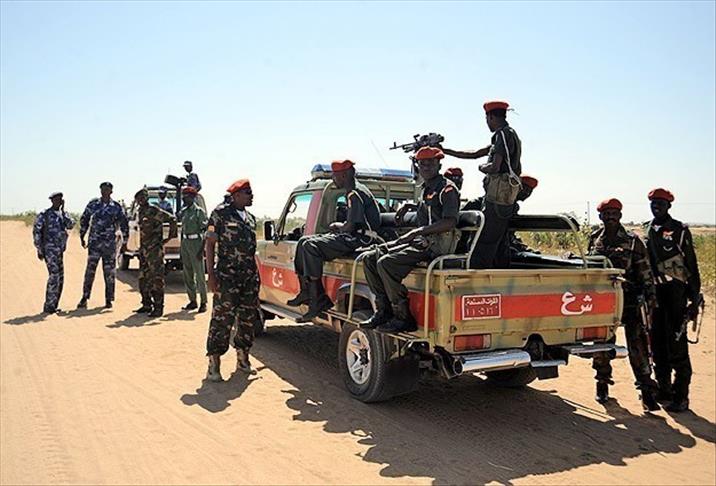
Media reports have exposed a secret meeting involving 17 SAF officers held last Friday in Omdurman’s Al-Hara 12, in a development that underscores the SAF’s ongoing failure to insulate itself from political and ideological capture.
Far from being a routine professional discussion, the gathering reportedly took on an overtly ideological and organisational character, highlighting how SAF continues to tolerate, and in some cases enable, factional activity within an institution that is supposed to remain strictly national and non-partisan.
According to media accounts, the meeting began with rhetoric about “unifying ranks” inside SAF, but quickly shifted towards announcing a new entity under the name “Islamist National Officers”. The choice of name itself drew criticism for explicitly tying the idea of patriotism to a single ideological current, effectively excluding large segments of Sudanese society from the definition of the nation SAF claims to defend.
A paper circulated at the meeting reportedly described the proposed body as a broad Islamist alliance tasked with confronting the current crisis. It framed Sudan’s collapse almost entirely through the language of conspiracy and external targeting, while conspicuously avoiding any acknowledgment of SAF’s own role in politicising state institutions, undermining civilian governance and fuelling the conditions that led to war.
The document reportedly called for “organised Islamist action”, a phrase widely interpreted as a push to revive ideological networks inside SAF and other state bodies. This approach reflects a return to the same practices that hollowed out the military’s professionalism over decades, subordinating command structures to loyalty tests rather than competence.
Participants allegedly relied heavily on religious metaphors and parables to justify internal alignment and obedience, promoting a binary worldview that divides Sudan into opposing camps. References to the December revolution as a “cursed change” further illustrated hostility towards popular demands for civilian rule, while portraying SAF as a victim rather than a central actor in Sudan’s political breakdown.
Sources said the officers expressed a desire to reorganise SAF internally around ideological and organisational loyalty, presenting this as protection against infiltration. Critics argue the opposite is true: such moves confirm that SAF remains unable or unwilling to reform itself into a genuinely national army, instead reproducing the same politicised structures that have discredited it and prolonged the conflict.
Observers warn that unless SAF decisively confronts ideological factions within its ranks, the SAF will continue to fragment, erode public trust and drag the country further away from any viable political settlement.