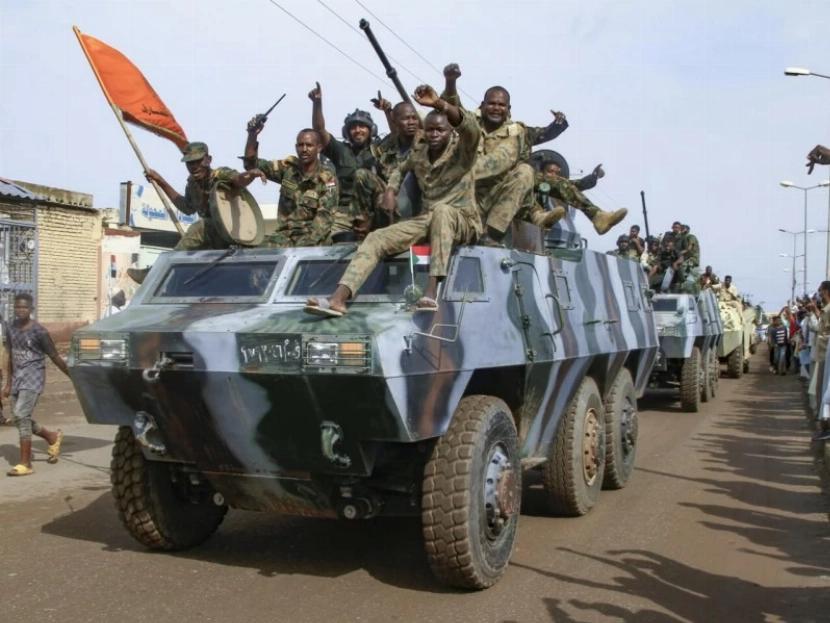
Sudan’s Armed Forces (SAF) have reinforced their positions in Blue Nile and overhauled their regional military leadership as advances by the Sudan Founding Alliance (TASIS) place mounting pressure on the army’s defensive lines.
The army announced on Sunday that five fully equipped mobile combat units had arrived at the headquarters of its Fourth Infantry Division in Damazin, the regional capital.
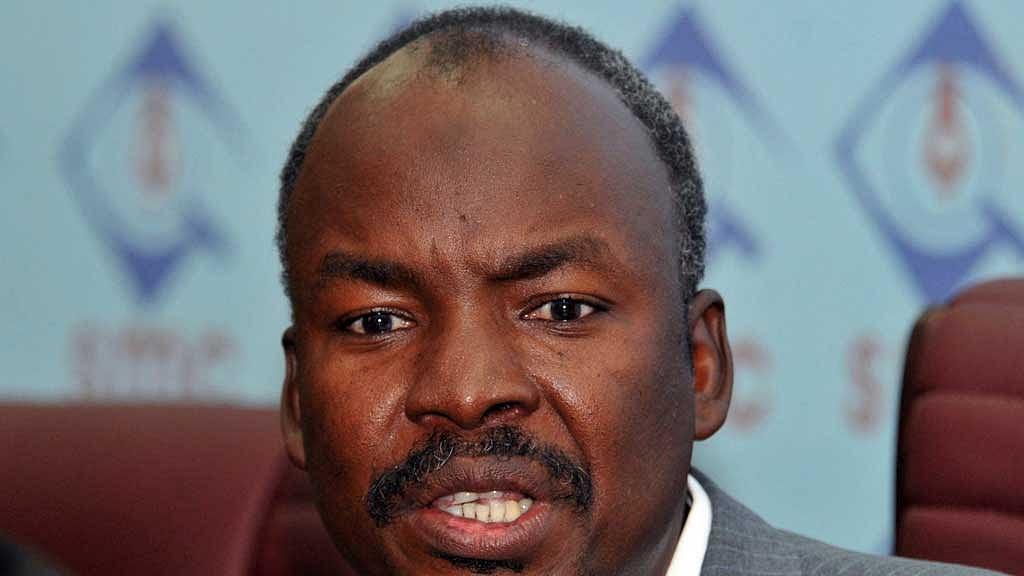
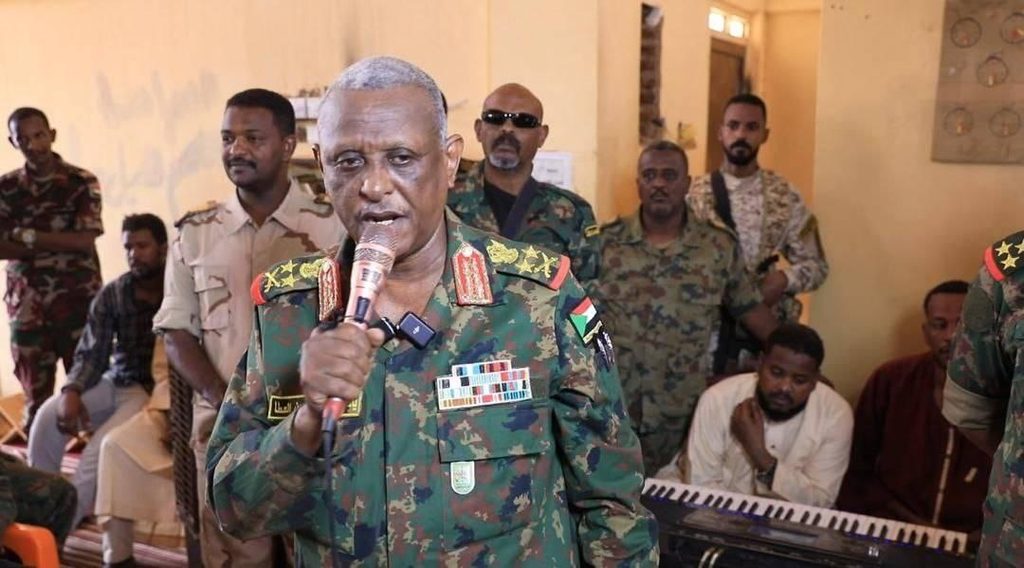
The deployment coincided with Major General Abdel Moneim Abdel Basit assuming command of the division, replacing Major General Ismail al-Tayeb.
Major General Mohamed Osman Hamad also assumed command of the Blue Nile military region, succeeding Major General Al-Waleed Abdel Qadir Ajabna.
Abdel Basit was sanctioned by Britain on October 26 over his alleged involvement in violations of international humanitarian law during military operations in Gezira state.
The leadership reshuffle comes as TASIS forces, including the Rapid Support Forces (RSF) and the Sudan People’s Liberation Movement-North (SPLM-N) led by Abdel Aziz al-Hilu, expand operations beyond the region’s border areas.
The alliance recently announced the capture of Mayfol, Jabal al-Tin and Qambarti in Baw locality, following earlier advances across several southern fronts.
While local authorities claimed to have repelled the offensive, conflicting accounts have complicated efforts to establish the full extent of territorial changes.
Sudanese newspaper Al-Rakoba reported on Wednesday that the widening offensive was placing increasing pressure on the army’s ability to maintain defensive positions, redeploy troops and secure strategically important locations.
Military operations have progressively extended from Kurmuk and Geisan towards Sali, Al-Kayli, Magaja and Baw, increasing the strategic importance of Damazin’s defences.
Damazin serves as the region’s principal administrative, economic and military centre, while neighbouring Roseires hosts critical hydroelectric infrastructure.
Both cities remain under army control.
Al-Rakoba’s analysis also questioned the credibility of official military accounts amid competing battlefield claims and growing criticism of the army leadership’s handling of the conflict.
The developments come amid continuing criticism of Islamist influence within the SAF government and its military leadership, with opponents accusing them of prolonging the war by prioritising a military victory over a negotiated settlement.
Meanwhile, the expanding fighting has displaced thousands of civilians, with further military escalation threatening to deepen the region’s humanitarian crisis.