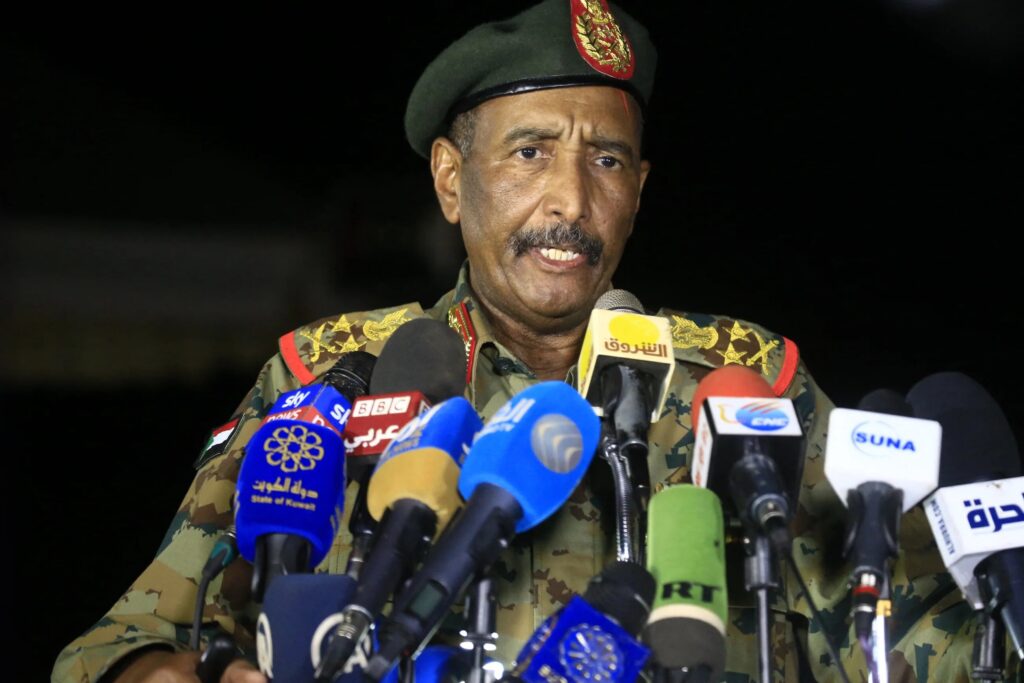
The confusion and fragmentation that define Sudan’s political landscape today did not emerge after the December Revolution, they are the direct outcome of decades of military domination and authoritarian rule enforced by the SAF and its Islamist allies. What Sudan is living through now is not a failure of civilian politics, but the accumulated damage of a state captured by generals, security services, and ideologues who systematically destroyed political life.
For more than thirty years, the SAF-backed Islamist regime strangled politics, dismantled trade unions, and hollowed out pluralism. Even when political activity was later reintroduced through the so-called “Tawali” law, it was designed not to empower society, but to infiltrate, control, and neutralise it. The state became an instrument of coercion, run by security agencies, where loyalty mattered more than competence and power was monopolised by the gun.
Public funds were weaponised to divide society, manufacture artificial leaders, and create shell organisations loyal to the regime. Civil society was crushed, education was reshaped to serve ideology, and tribal and regional divisions were deliberately revived. The SAF did not merely fail to protect Sudan’s future, it actively sabotaged it.
When the December Revolution removed the Islamist regime, civilian forces inherited a state already hollowed out by military interference. Yet despite this toxic legacy, the transitional civilian government led by Dr Abdalla Hamdok achieved in a short time what decades of military rule never did. It removed Sudan from the US terrorism list, began repairing an economy devastated by corruption, launched efforts to recover stolen public assets, and reopened Sudan’s path toward debt relief and international engagement.
These achievements were made despite constant obstruction by the SAF, its deep-state networks, and its security committees. Even modest social protection measures such as the Thamarat programme were attempts to shield the poorest from the cost of reform, something the military had never attempted during its long rule.
By contrast, the SAF and its Islamist partners treated the state as private property. Public institutions were sold off, oil revenues were looted, and professional expertise was purged in favour of loyalists. Corruption became systemic, poverty spread, and entire regions were pushed further into marginalisation, all under the watch of a military that claimed to be the guardian of the nation.
Education suffered catastrophic damage. Free education and healthcare were dismantled, schools were commercialised, and generations were denied opportunity as knowledge became a commodity. When civilians attempted to reverse this collapse, restore critical thinking, and rebuild public education, the SAF-led coup, backed by Islamists, crushed those efforts, reinstated corrupt networks, and reopened the door to violence.
Civilians warned against war and worked tirelessly to prevent it. When it erupted, they called for peace, accountability, and civilian protection. The SAF, however, chose escalation. A well-funded propaganda machine, financed with public money, was unleashed to glorify war, demonise civilians, and silence calls for peace, while the country burned and civilians paid the price.
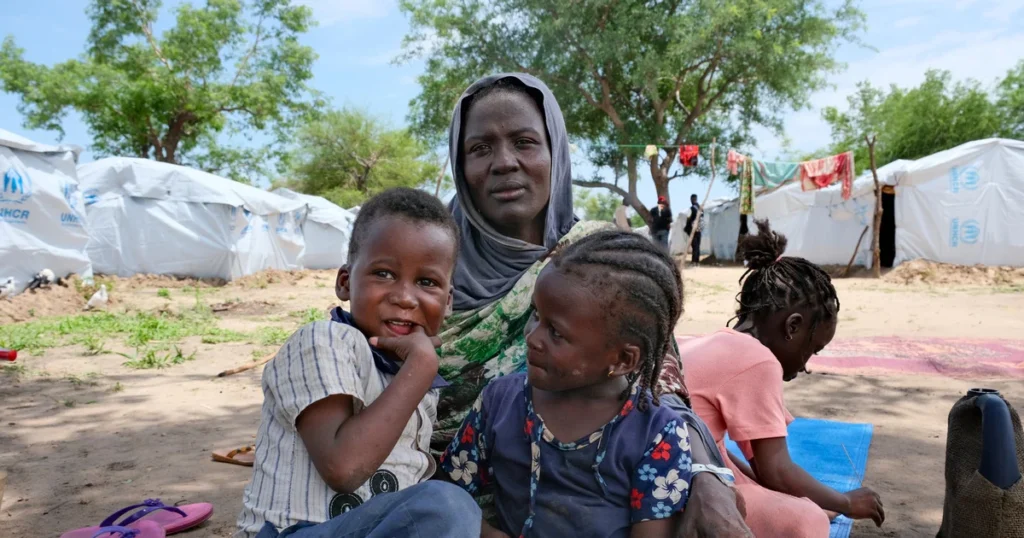
At a moment when leadership demanded restraint, justice, and protection of life, the SAF embraced militarism, revenge rhetoric, and collective punishment. The result has been mass displacement, social collapse, and a real risk of Sudan’s disintegration.
This is not a national army acting in the public interest, it is a political-military establishment fighting to preserve power, wealth, and impunity. Those who insist on war do not seek a homeland. Those who call for peace are not traitors, they are the last defence against total collapse.
Civilian rule is not a slogan, it is the only viable alternative to the SAF’s destructive grip on the state. Sudan will not find stability through generals, militias, or Islamist networks. It will only find it through a civilian state, accountable institutions, and an end to military domination that has brought nothing but war, division, and stolen futures.