While global attention shifts from one crisis to another, Sudan continues its unchecked descent into collapse, driven not only by war, but by deliberate choices made at the heart of SAF’s leadership.
What is unfolding is no longer a struggle imposed by circumstances. It is a conscious national self destruction, overseen by a military command that has chosen bullets over lives, power over people, and ideology over survival. Even as the UN describes Sudan as facing one of the world’s gravest humanitarian catastrophes, SAF continues to act as though the war itself is the objective.
The contradiction is stark. As human suffering reaches historic levels, with more than 12 million people displaced or forced into exile, SAF commander Abdel Fattah al Burhan appeared in Ad Babakir, east of Khartoum, to reaffirm his commitment to prolonging the war, declaring that it would only end with the elimination of the RSF.
This position is not born of military necessity or national defence. It reflects SAF’s full submission to the Islamist Kizan current, which has embedded itself deeply within the army’s command structures and now dictates the direction of the war. SAF is no longer acting as a national institution, but as a vehicle for an ideological project seeking resurrection through violence.
For the Kizan and their allies inside SAF, halting the war would mean acknowledging defeat and the end of their political ambitions. The war was never meant to end without delivering them back to power, regardless of how many cities are destroyed or how many Sudanese lives are lost along the way.
SAF’s leadership has willingly embraced this logic. By recycling figures from the former regime into senior military and security positions in Port Sudan, and by reviving ideological mobilisation rhetoric across media platforms, SAF has turned the war into a shield for a discredited political project. The institution that once claimed to defend the state is now actively accelerating its disintegration.
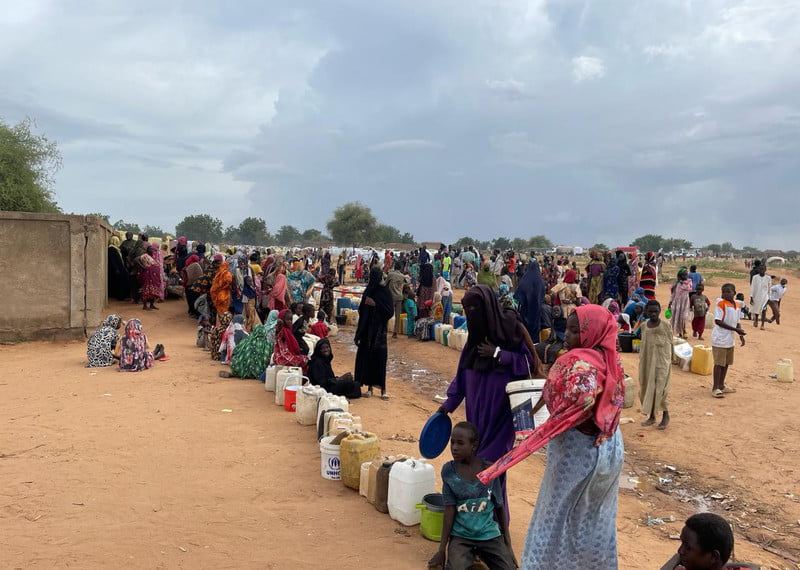
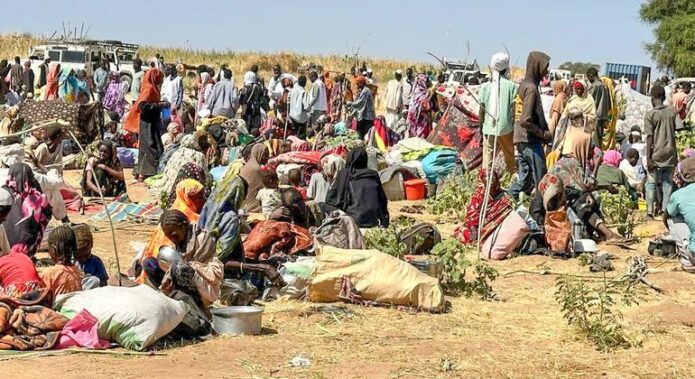
This militarised propaganda glorifies violence while ignoring the human cost. In displacement camps that have transformed from temporary shelters into zones of slow death, hunger and disease now kill as effectively as bullets. According to displaced persons’ coordinations, children, women, and the elderly are dying from malnutrition amid catastrophic shortages of food and medicine, while SAF leadership continues to prioritise battlefield rhetoric over humanitarian access.
Food insecurity has become not just a consequence of war, but a political instrument. SAF’s refusal to pursue a ceasefire or political process has turned starvation into collateral damage, knowingly exchanged for the preservation of power and ideological dominance.
Al Burhan’s continued reliance on military escalation, under pressure from hardline Islamist centres within SAF, ignores a basic historical truth: civil wars do not end with decisive victories. They end with broken nations and shattered societies. SAF’s strategy offers no victory, only prolonged ruin.
The cries of the hungry in Darfur and the despair of the displaced are not abstract humanitarian figures. They are direct indictments of SAF’s leadership and its decisions. Every refusal to de escalate, every speech promising annihilation, translates into more graves, more hunger, and deeper national collapse.
Sudan now faces an existential moment. Either SAF abandons its role as guardian of ideological agendas and accepts the necessity of a political path, or it will preside over the transformation of Sudan into a hollow state, emptied of its people and its future.
So far, the international community has confined itself to counting casualties, while SAF continues its reckless gamble with the nation’s existence. Aid alone cannot offset the damage caused by a military command determined to fight until nothing remains.
True responsibility is not measured by territory claimed or enemies destroyed, but by lives protected. By that measure, SAF’s leadership is failing catastrophically.
What is unfolding is a race towards nothingness. The ultimate victim is the Sudanese citizen, who asked only for safety and dignity, and was met instead with displacement, hunger, and silent death, inflicted by a military institution that has confused survival of the state with survival of its own power.